A new inter-agency group is being established to coordinate government preparedness for this year's General Election, with officials citing rising risks from foreign interference, cyber attacks and election-related scams.
The Ministry of Justice will host the group, which builds on protocols already used in past elections to define how the Electoral Commission and other government agencies work together to deliver the vote.
Why This Group Is Being Set Up Now
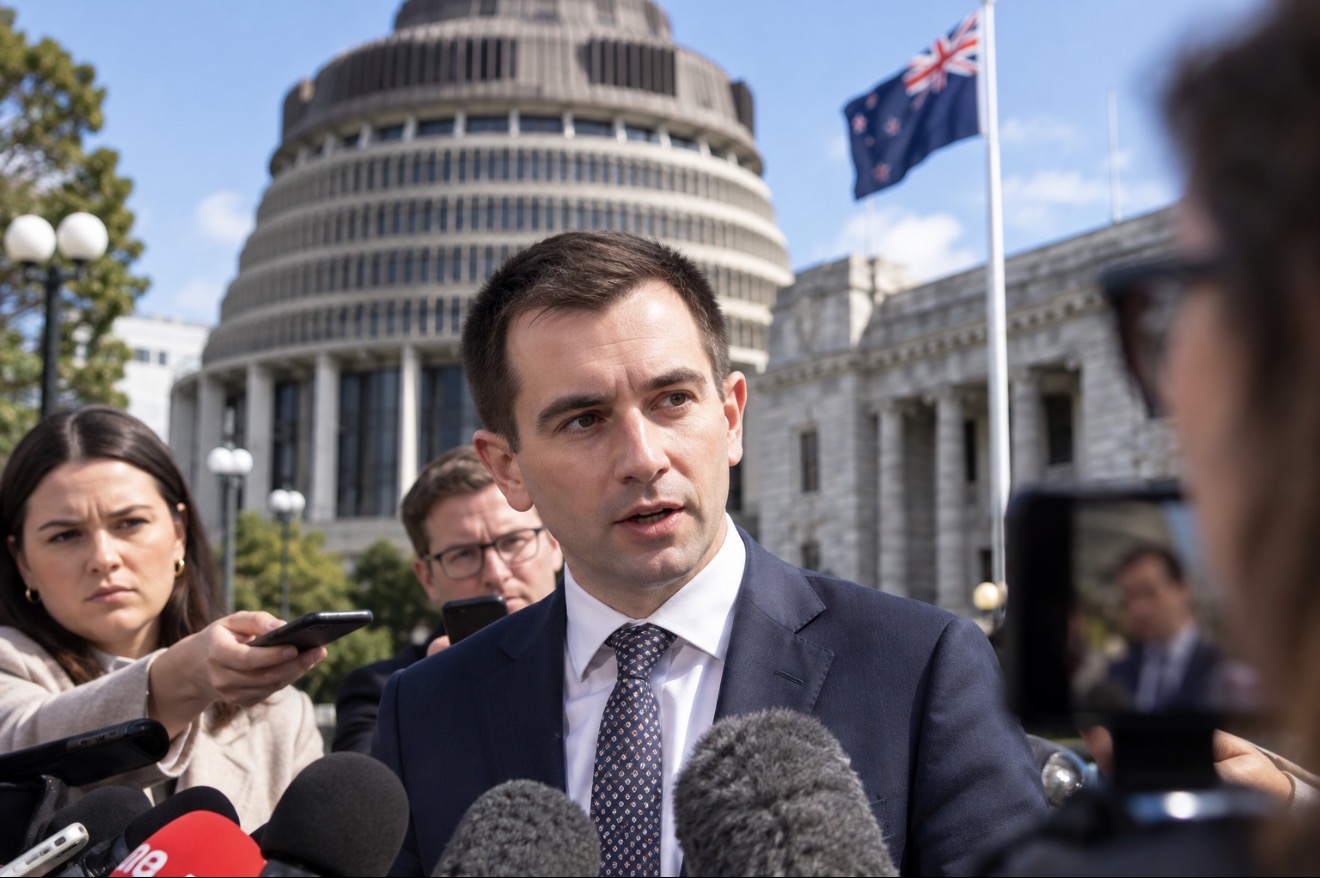
Secretary for Justice Andrew Kibblewhite said the group's job is to provide comprehensive coordination and strategic oversight of threats and hazards that could affect the 2026 General Election.
"Risks to the integrity of our country's democratic process have become increasingly complex," Kibblewhite said.
He pointed to a specific set of concerns driving the decision:
| Type of Threat | What It Could Look Like |
|---|---|
| Foreign interference | Outside attempts to influence the election |
| Malicious cyber activity | Hacking or cyber attacks targeting election systems |
| Threats to candidates | Safety concerns for people standing for office |
| Phishing and scams | Fake emails or messages exploiting the election period |
Kibblewhite said public trust in the outcome matters just as much as the process itself, stating that New Zealanders need confidence the result is fair and free from undue influence.
Who Is Actually Involved
Rather than creating an entirely new agency from scratch, the Coordination Group is being staffed through secondees pulled from across the National Resilience System, New Zealand's broader network of agencies responsible for managing national threats and emergencies.
According to the release, appointments to the group are being made based on relevant experience and expertise, rather than a blanket call for volunteers.
Importantly, the Ministry has been clear that this group does not override anyone else's job. The release states plainly that the work of the Coordination Group does not replace the mandate of any existing agency, meaning agencies like the Electoral Commission, NZSIS and Police retain their existing responsibilities. The group's role is coordination and oversight, not taking over front-line responsibilities.
Who Handles What
For anyone wondering which agency is actually responsible for what during the election period, that detail already exists. The lead agencies responsible for managing specific hazards and threats are set out in the General Election 2026 Protocols, published on the Electoral Commission's website.
What This Means for the Public
For everyday voters, this announcement is largely about behind-the-scenes coordination rather than anything that changes how people vote. But it does come with a practical takeaway: officials are actively encouraging the public to report anything that looks suspicious during the election period.
Here is exactly who to contact, depending on the situation:
| Situation | Who to Contact |
|---|---|
| Emergency | Call 111 |
| Non-emergency or suspicious/unusual behaviour | 105.police.govt.nz or call 105 |
| Security concern (e.g. suspected foreign interference) | Contact Police and report to NZSIS on 0800 747 224, or use their public contribution form |
| General election queries | Electoral Commission, enquiries@elections.govt.nz or 0800 36 76 56 |
The Bigger Picture
This move reflects a wider global trend where election security has become a bigger focus for governments, driven largely by the rise of cyber threats and concerns about foreign interference in democratic processes across multiple countries in recent years.
By formally setting up a coordination structure ahead of polling day, rather than responding reactively if something goes wrong, the Ministry of Justice appears to be signalling that election security is being treated as a standing priority for this election cycle, not just a contingency plan sitting in a drawer.
No further detail has been released yet on how long the Coordination Group will remain active, though its work is expected to run through the lead-up to and duration of the 2026 General Election period.