
The Ministry of Social Development has apologised after new figures revealed that more than 8000 hardship grant applications were declined over the past six years on the grounds that food was "non-essential."
The revelation, uncovered through the Official Information Act, has sparked criticism from child poverty advocates and put fresh pressure on the Government just weeks after a separate MSD error saw pensioners wrongly lose their Winter Energy Payment.
What the Figures Show
The applications in question fall under the Special Needs Grant, a payment designed to help people cover urgent and essential costs, including food. According to the data, food related requests make up the overwhelming majority of this support.
Here is what the numbers look like:
|
Metric |
Figure |
|
Applications declined as "non-essential" (6 years) |
Over 8,000 |
|
Total applications processed (6 years) |
More than 8.5 million |
|
Share affected by the wrong decline code |
0.094% |
|
Share of Special Needs Grant applications that are for food |
96% |
|
People who applied for food grants in 2025 |
Over 318,000 |
|
Applications declined in 2025 alone |
Over 88,000 |
|
Total paid out last year |
More than $130 million |
The Ministry says the affected proportion is small in percentage terms, but the raw number, more than 8000 people told food was not an essential need, has struck a nerve with community groups already stretched thin.
How MSD Is Explaining It
MSD group general manager of client service delivery Graham Allpress said the issue came down to staff selecting the wrong option in the system when declining an application, not a change in policy itself.
He said the category selected does not necessarily mean the underlying decision to decline was wrong, only that the reason recorded for it was.
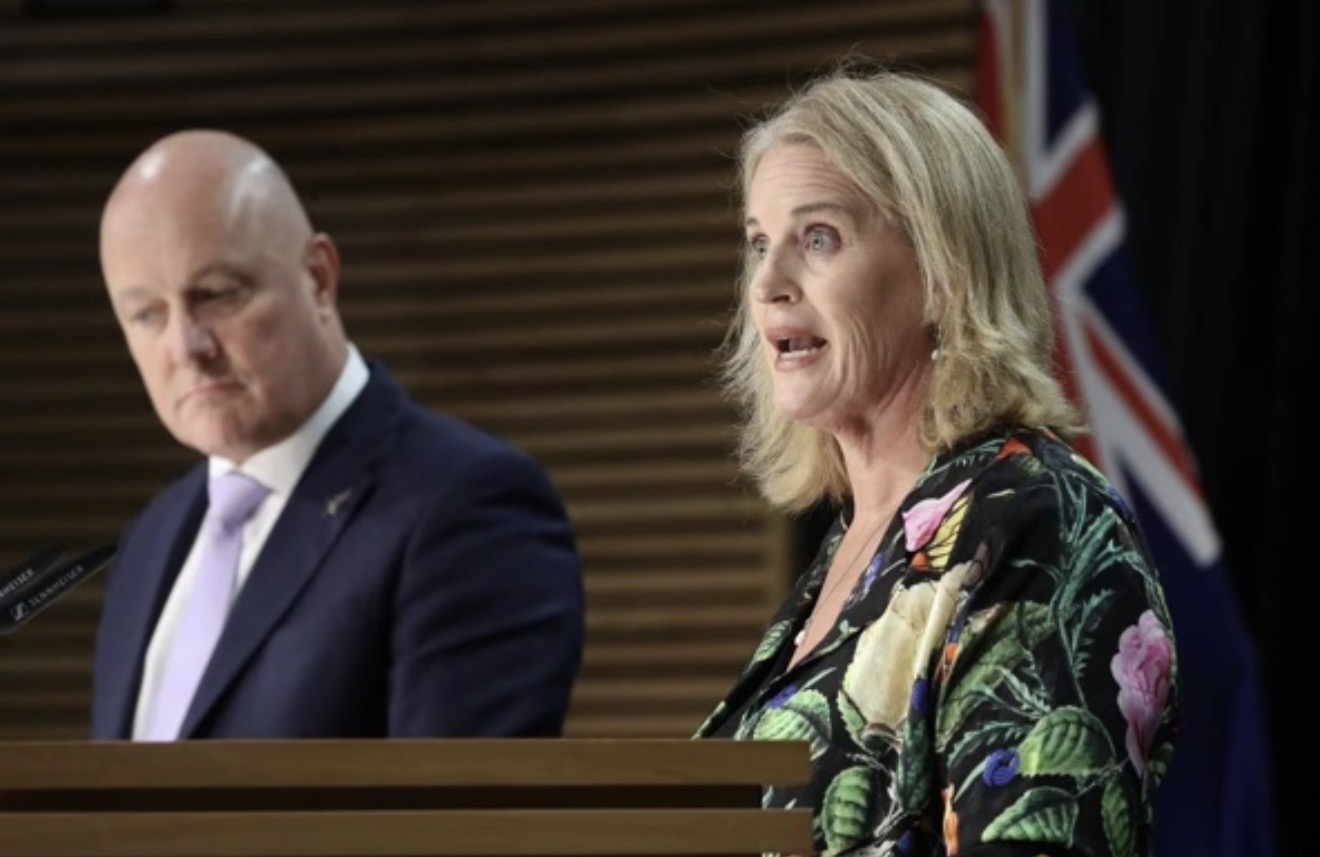
Social Development Minister Louise Upston backed that explanation. Speaking to media, she maintained that declining a grant and mislabelling the reason for declining it are two separate issues.
"It doesn't change the decision that a hardship grant was declined," Upston said.
She confirmed that food is considered an essential item and said further training would be rolled out to MSD staff to ensure the correct reasons are recorded going forward.
Community Groups Push Back
Not everyone is satisfied with the "administrative error" explanation.
Child Poverty Action Group's food security spokesperson, Kelly Garton, argued that access to food should never have been framed as optional in the first place, calling adequate food a basic human right.
Trudy Burrows, who runs a community food pantry in New Brighton, Christchurch, said the scale of the figures was difficult to process, describing the situation as troubling given how many families rely on this support to get through hard weeks.
Their concern is not only about the wording used in decline letters, but about a wider pattern. Rejections for special needs grants have been climbing steadily since 2023, and food remains by far the most common reason people ask for help in the first place.
A Second MSD Error This Year
This is not the first administrative stumble MSD has had to answer for recently. Upston and the Ministry have already apologised once this year after a separate system error wrongly suspended Winter Energy Payments and other benefit payments for a number of New Zealanders.
That earlier issue, combined with this latest one, has raised questions in Wellington about how many people may be falling through the cracks due to internal system errors rather than genuine ineligibility.
Other Reasons Grants Get Declined
The food related cases were not the only reason people were turned away from urgent hardship support. Other common grounds MSD has used to decline applications include:
- The applicant "did not have an immediate need"
- The applicant "caused or contributed" to their own situation
- The circumstances "could have been reasonably foreseen," which was the single most common reason used last year, affecting more than 18,000 applications
Advocates argue that language like this places a heavy burden of judgement on people who are often applying for help during genuinely difficult moments in their lives.
What Happens Next
For now, MSD says the underlying decisions to decline the affected applications will not be reversed, even though the reasoning recorded for many of them was incorrect. The Ministry says it is focused on retraining staff to correctly log why an application has been turned down, rather than reopening past cases.
Upston has stood by MSD staff throughout, saying the vast majority of the 1.3 million payments processed each week are handled correctly, and that this issue should not overshadow the work of thousands of public servants who support New Zealanders through the system every day.
Whether that reassurance is enough for the families and community groups who felt the sharp end of those 8000 declined applications remains to be seen.
This article was first reported by 1News and has been republished with attribution by Webfitnews.