As Auckland prepares to open its long-awaited City Rail Link, MOTAT is inviting Aucklanders to step inside the bigger story behind it, one that stretches back far beyond modern rail tunnels to horse-drawn trams and harbour crossings.
The museum's new exhibition, All Aboard – How Tāmaki Moves, opens on 26 September 2026 at MOTAT Great North Road, developed in partnership with Auckland Transport.
Why Now
The timing is deliberate. The City Rail Link is Aotearoa New Zealand's largest transport infrastructure project, and MOTAT is positioning itself as the place where Aucklanders can understand exactly what that milestone means in context, not just as a standalone engineering feat, but as the latest chapter in a transport story that goes back generations.
Here's what makes the City Rail Link itself such a significant project:
|
Feature |
Detail |
|
Rail tunnels |
Twin 3.45-kilometre tunnels |
|
New underground stations |
Te Waihorotiu and Karanga-a-Hape |
|
Major redevelopments |
Waitematā and Maungawhau Stations |
|
Scale |
Aotearoa New Zealand's largest transport infrastructure project |
What Visitors Will Actually Experience
At the heart of the exhibition is an immersive projection experience designed to put visitors directly inside Auckland's transport history, rather than simply reading about it from behind glass.
The projection moves visitors through different eras and modes of transport, including:
- Journeys across the Waitematā harbour
- Horse-drawn trams climbing Queen Street
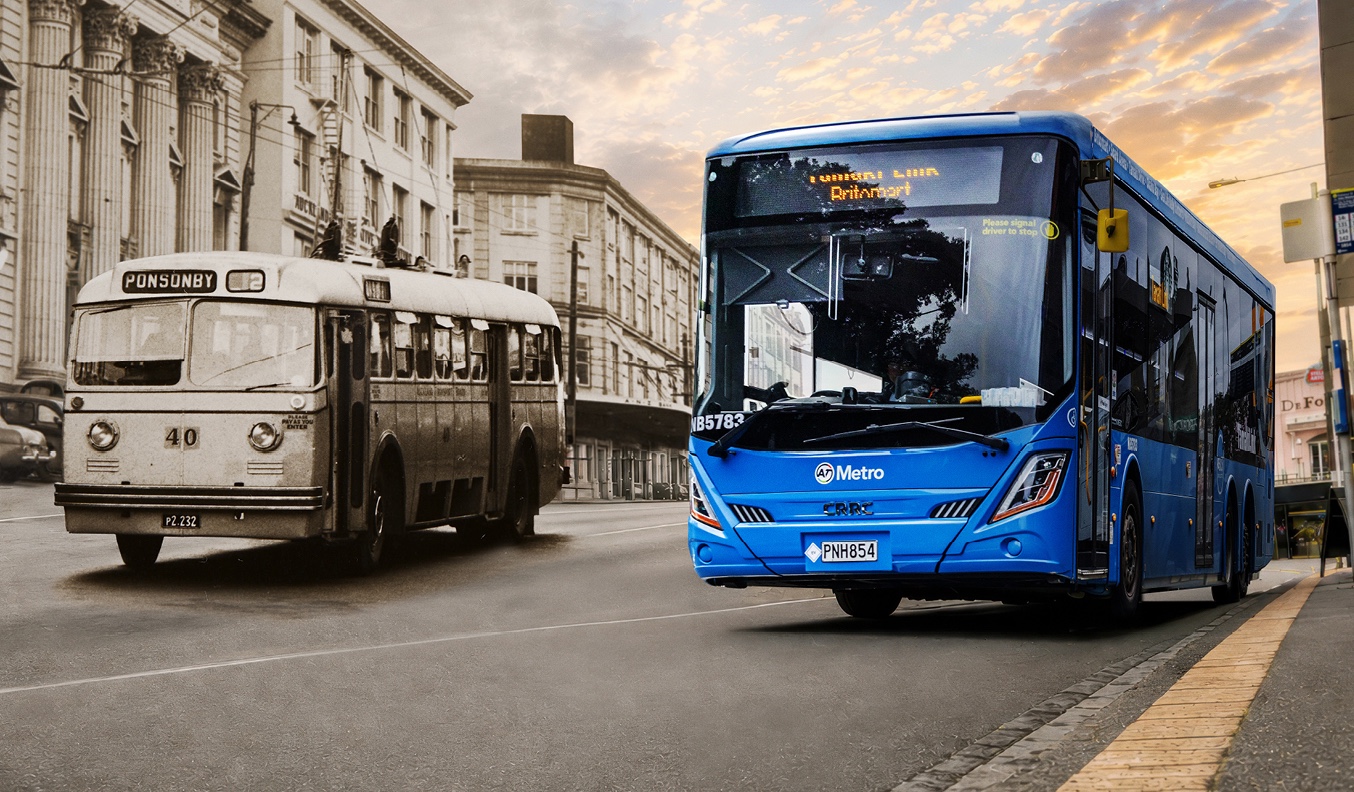
- Trolley buses travelling through the city
- Today's connected bus, ferry and rail network
Hundreds of images and pieces of footage sourced from MOTAT's Walsh Memorial Library and Auckland Transport's own archives have been woven into the projection.
Two Core Sections
The exhibition is built around two contrasting sections that trace how Auckland's transport network has evolved technologically over time.
The first, "Switched on Systems," looks at the physical and mechanical methods historically used to run public transport, think rail tablets, flags, whistles and manual points, the analogue tools that once kept the city moving.
The second, "A Connected Network," shifts focus entirely to today's digital, data-driven transport systems, including how the four new City Rail Link stations connect across buses, ferries and trains.
A Cultural Dimension Too
Beyond the engineering and technology, the exhibition also highlights toi Māori and the cultural narratives of Tāmaki iwi and hapū, woven directly into the new City Rail Link station designs and the wider transport network experience.
Hands-On Learning for All Ages
MOTAT is positioning the exhibition as genuinely intergenerational and family-friendly, with content designed to work on multiple levels.
Visitors can expect:
- Significant objects from the MOTAT collection
- Archival material from both MOTAT and Auckland Transport
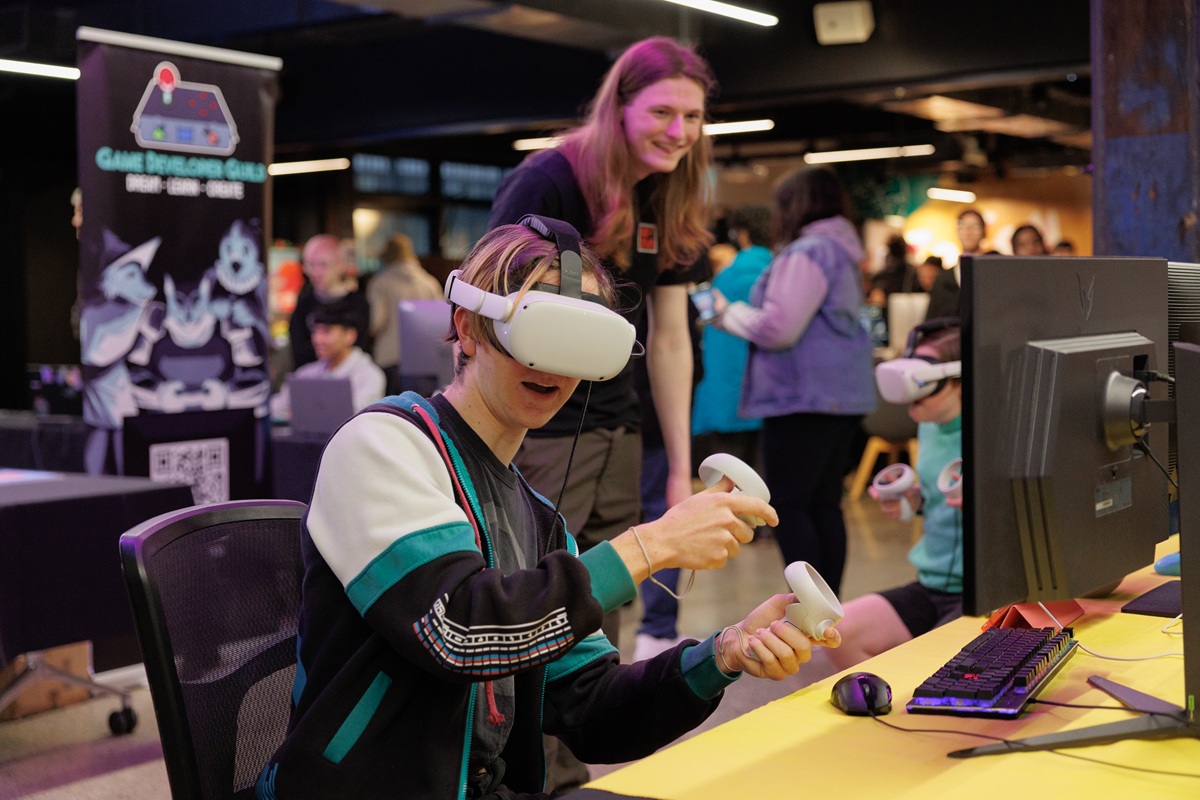
- A digital interactive game
- Deep-dive audiovisual kiosks
What the Organisations Behind It Are Saying
MOTAT Chief Executive and Museum Director Craig Hickman Goodall said the exhibition arrives at a genuinely significant moment for the city.
"The City Rail Link marks a major shift in how Tāmaki Makaurau Auckland moves, but it is also part of a much longer story," Goodall said.
Auckland Transport interim CEO Stacey van der Putten framed the City Rail Link itself as the culmination of a much longer civic ambition.
"The opening of the City Rail Link delivers the promise our city's visionaries have been dreaming of for more than a century," van der Putten said.
The Details
|
|
|
|
What |
Interactive exhibition on Auckland public transport history, technology and engineering |
|
Where |
MOTAT, Great North Road, Western Springs, Auckland |
|
When |
26 September 2026 to September 2027 |
|
Presented by |
MOTAT, in partnership with Auckland Transport |
Why This Matters Beyond the Exhibition Itself
For a city in the middle of one of its biggest infrastructure transformations in a century, an exhibition like this offers something practical: context. Rather than the City Rail Link simply appearing as a finished product on opening day, MOTAT's exhibition gives Aucklanders a chance to understand the decades of technological change, engineering decisions and cultural history that led to this specific moment.
For families, students and transport enthusiasts alike, it offers a rare opportunity to connect the daily commute with more than a century of the city's transport story.
This article is based on a media release issued by MOTAT.