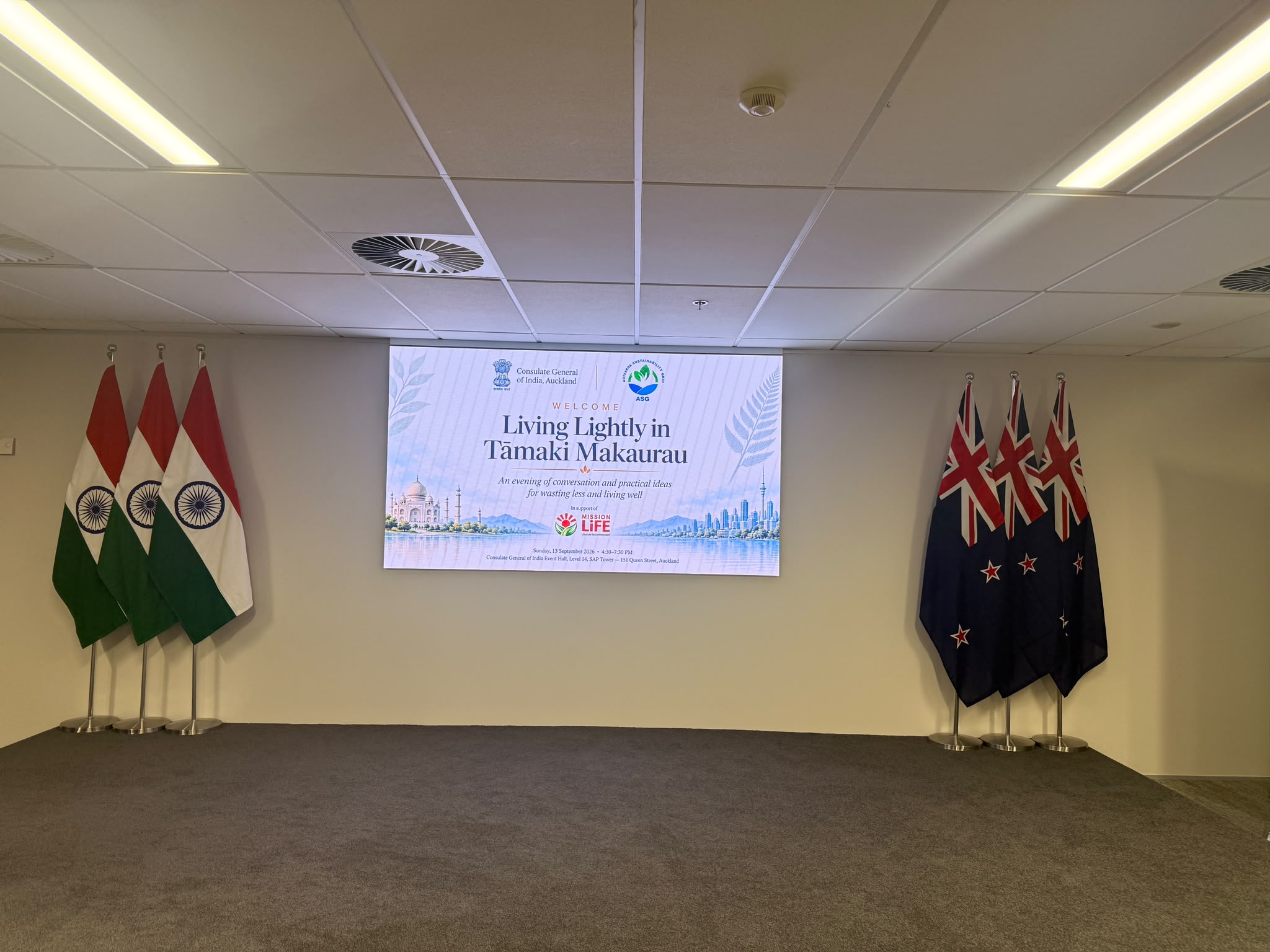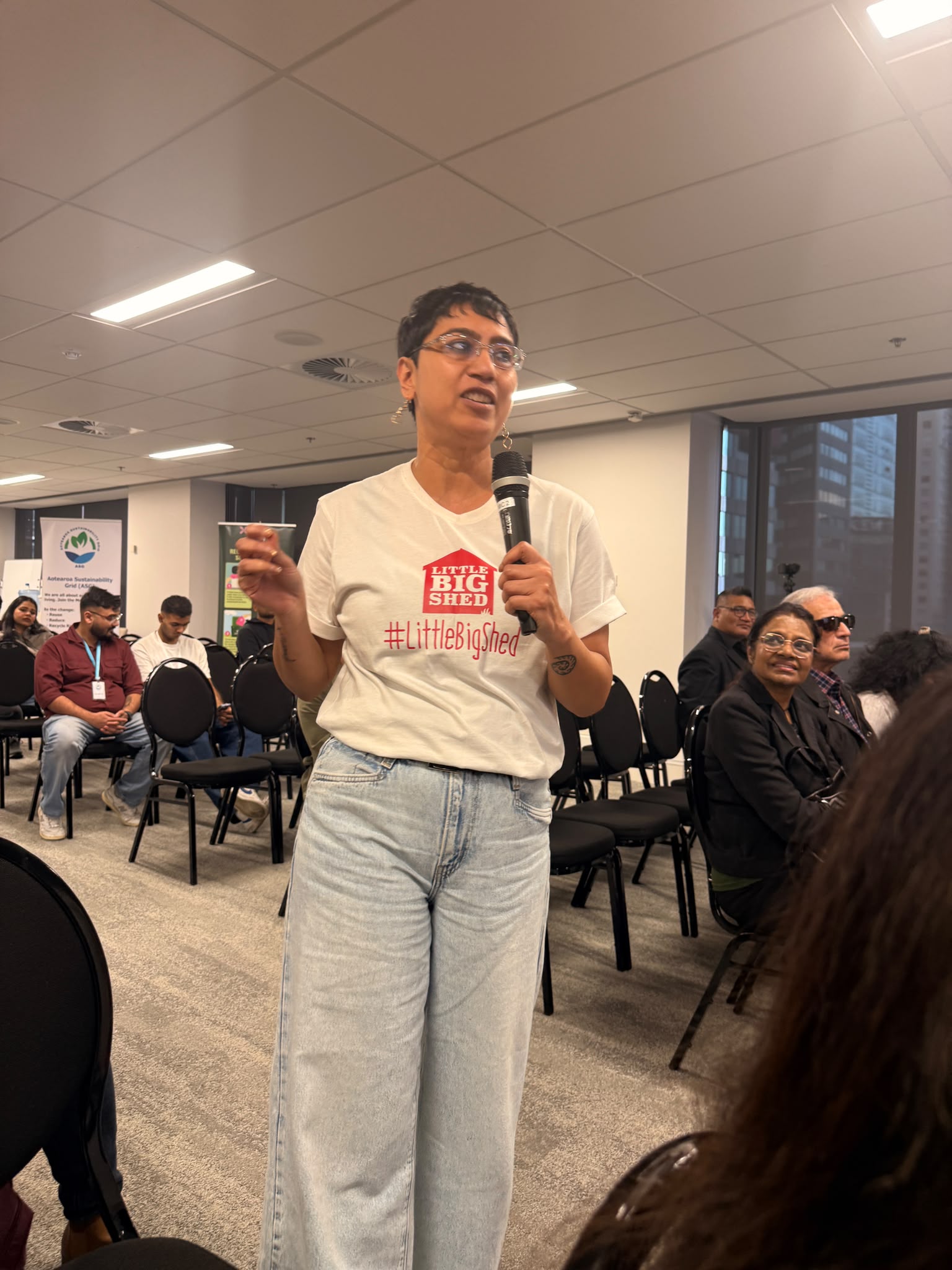
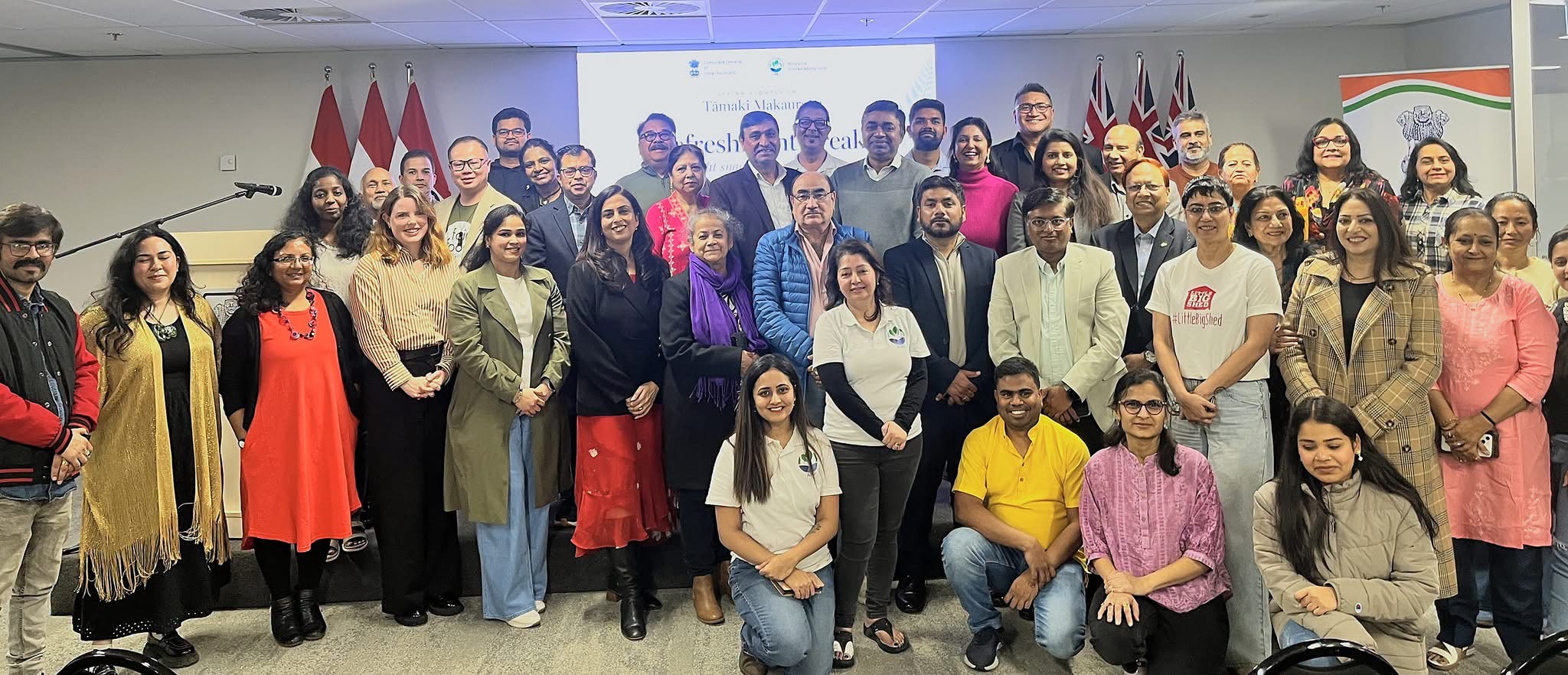
A community hall inside the Indian Consulate in Auckland became the unlikely setting this week for a wide-ranging conversation about rubbish, culture, climate resilience and what it actually means to call a place home.
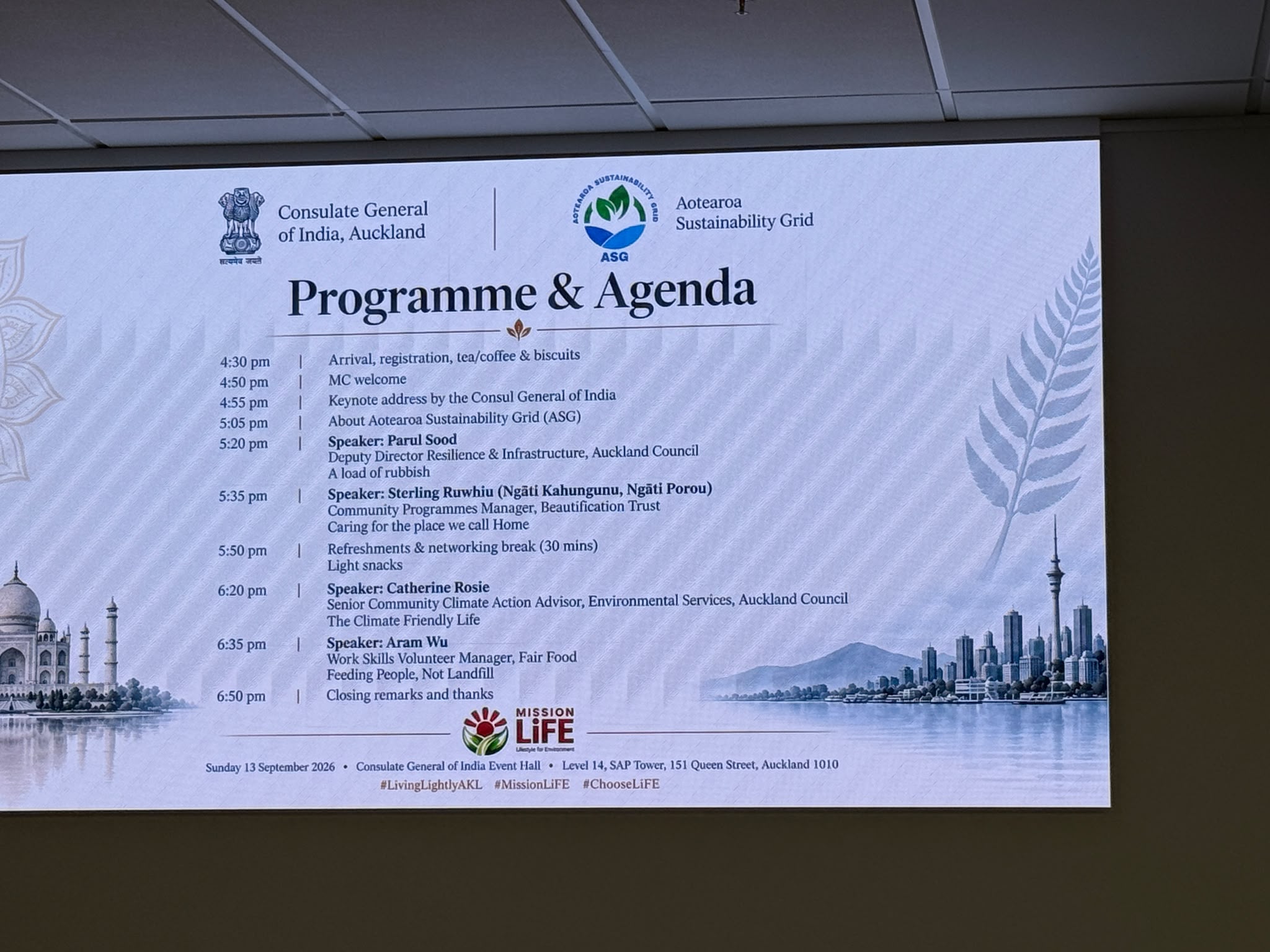
The event, titled Living Lightly in Tāmaki Makaurau, was organised by Aotearoa's Sustainability Grid (ASG) and brought together an unusual mix of voices: India's Consul General, an Auckland Council waste expert with two decades of experience, and a Pacific and Māori community leader whose day job involves running a bike club and chasing down illegal dumping.
Setting the Scene
MC Tushar opened the evening with some practical housekeeping, pointing out emergency exits and reminding guests that photography needed to stay inside the room given the venue's consulate setting.
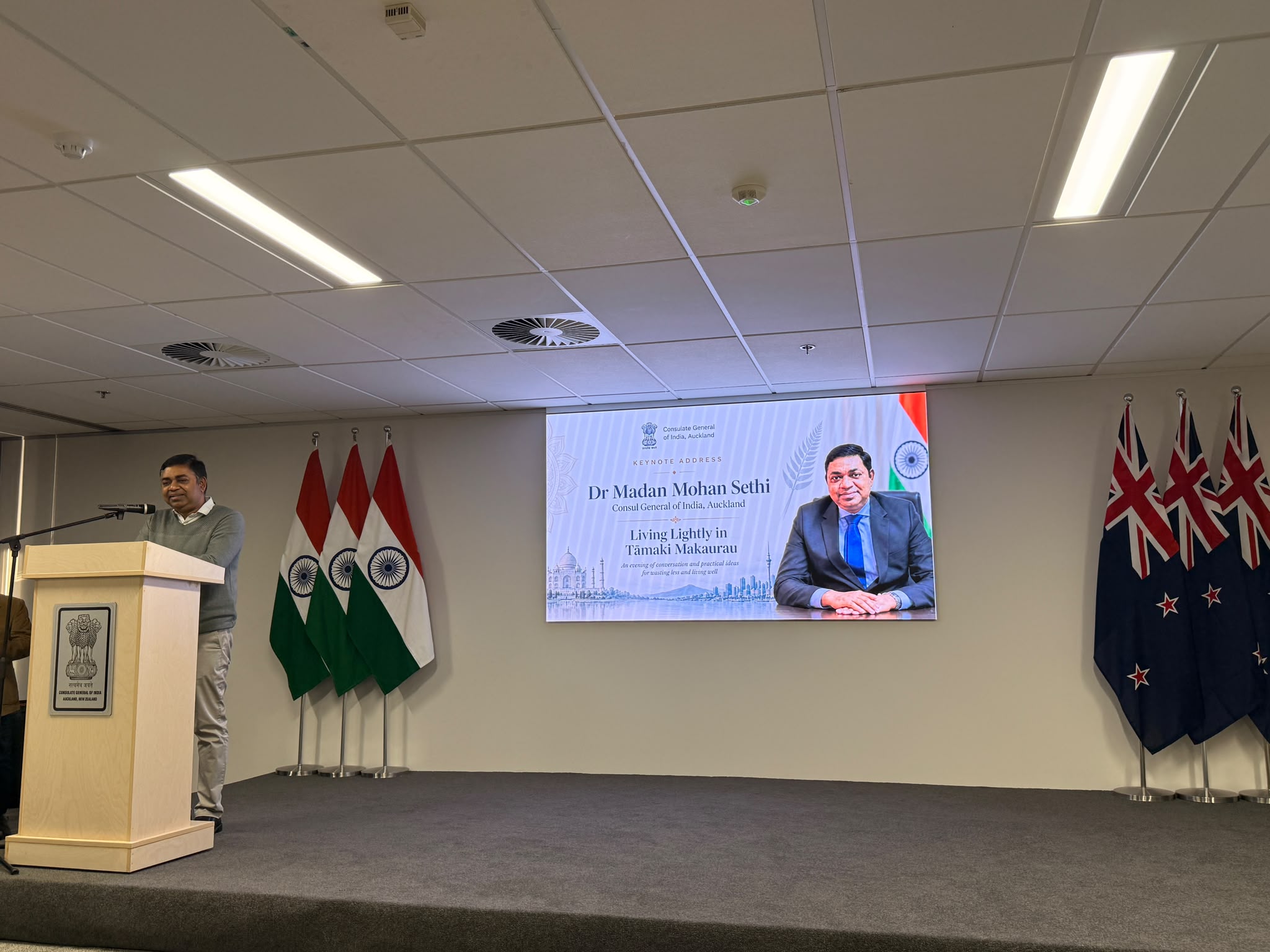
The evening began with a karakia, a traditional Māori blessing, before Indian Consul General Dr. Madan Mohan Sethi took the floor to open proceedings formally.
Consul General Draws Connections Between India and New Zealand
Dr. Sethi used his opening remarks to frame the evening within a much bigger picture, comparing New Zealand's environmental position favourably against countries that have experienced heavier environmental damage from unsustainable development.
He pointed to India's own rapid industrialisation as a case study in the tension between economic growth and environmental cost, expressing interest in exploring partnerships around sustainable technology and expertise.
Notably, Dr. Sethi shared two specific ideas that had already been passed along to authorities back in India:
- A proposal to convert former open-cast mining land in India into usable agricultural land
- A concept for personal watercraft systems designed to help residents move through flood-affected cities like Delhi and Mumbai during monsoon season, when parts of those cities can go under six to seven feet of water
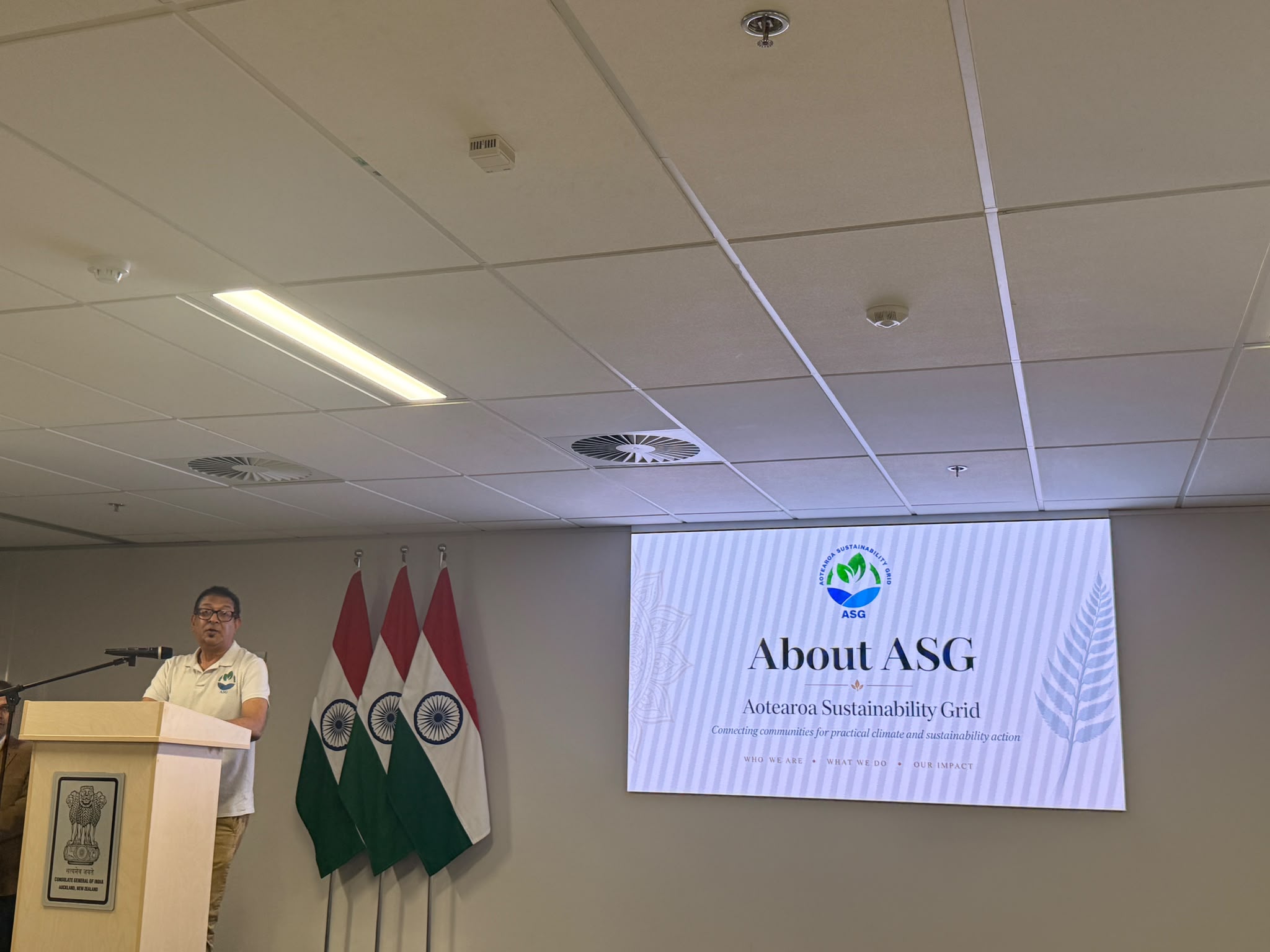
Why ASG Exists
ASG chairperson Jay Singh explained the organisation's approach to sustainability work within Auckland's Indian and South Asian communities, describing a simple but important insight: new migrants often have far more pressing concerns, immigration paperwork, healthcare, children's education, than food scraps and recycling bins.
"We don't try and teach, we just try and remind people," Singh said, describing how ASG's multilingual team connects with communities through cultural context rather than lectures.
Singh drew a comparison many attendees clearly recognised, pointing out that older generations across South Asia already practiced sustainability instinctively, reusing tins, glass bottles and containers long before terms like "waste minimisation" existed.
The "Rubbish Lady" Takes the Stage
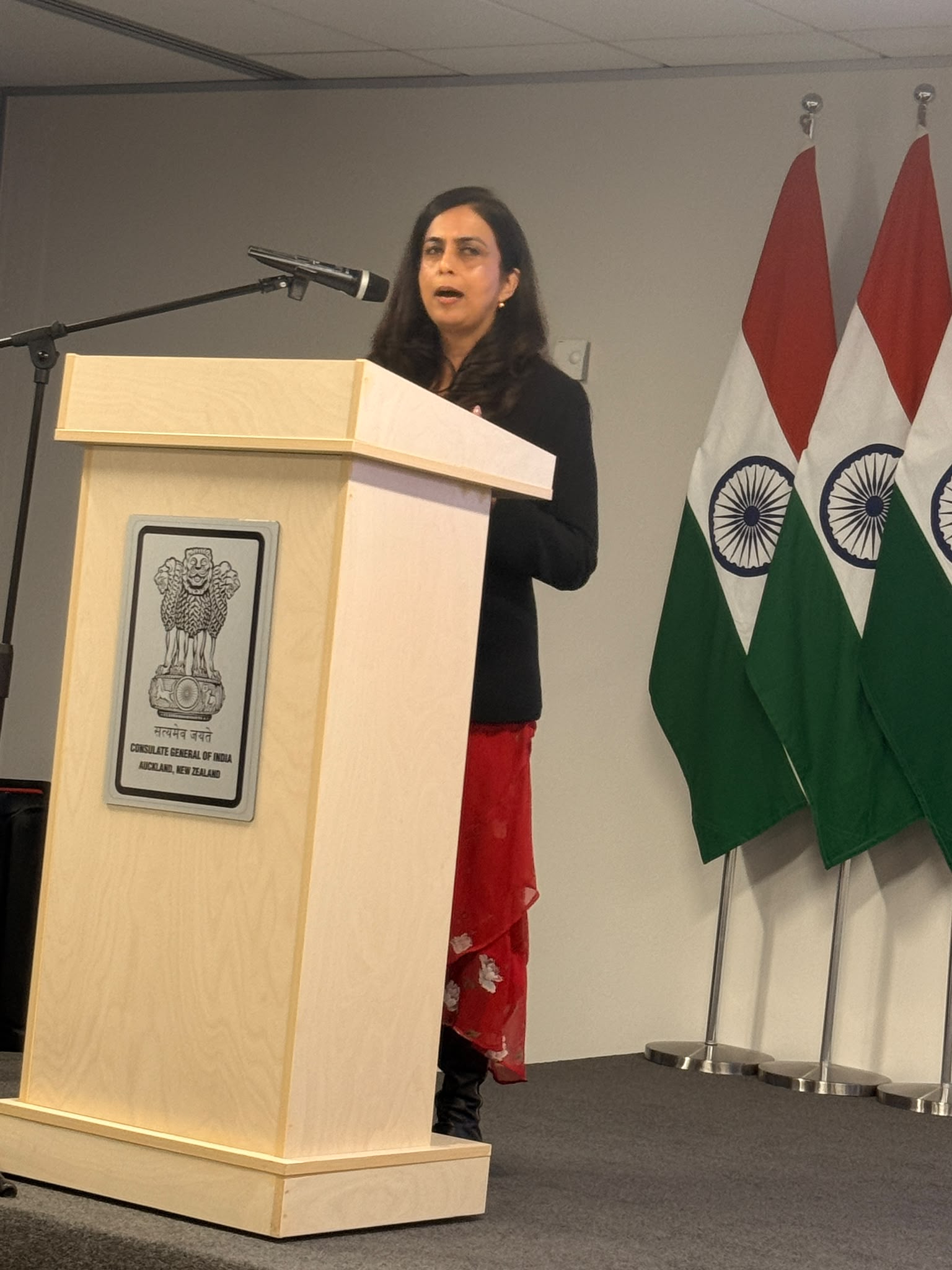
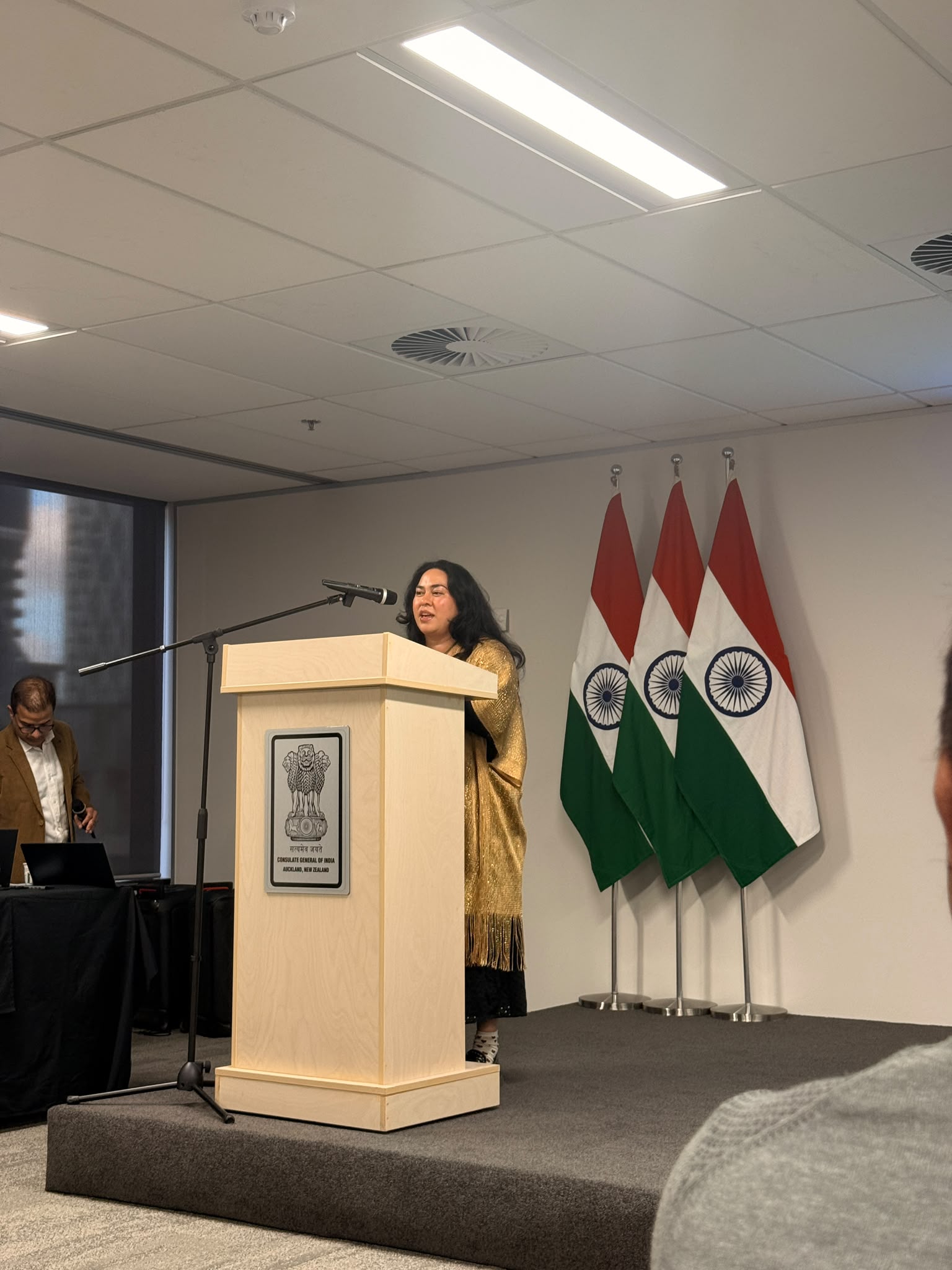
The evening's first keynote speaker, Auckland Council's Deputy Director of Resilience and Infrastructure, Parul Sud, brought two decades of waste sector experience and a healthy sense of humour to the podium.
"Hi, my name is Parul, and I'm formerly known as the rubbish lady," she told the room, explaining she prefers the nickname to identifying herself as a council employee.
Sud tackled a question she said she gets constantly: why should anyone in a small country like New Zealand bother with waste minimisation when larger nations contribute far more pollution?
Her answer focused less on global politics and more squarely on Auckland's own backyard, and the numbers she shared were striking:
| Issue | Cost or Impact |
|---|---|
| Cleaning up contaminated recycling | $3.5 million per year |
| Recycling currently contaminated with wrong items | Around 30% |
| Auckland's landfill capacity | Running out, with a new site facing 11 years of delays |
She argued that mismanaged recycling isn't a victimless problem, it directly costs ratepayers money that could otherwise go toward rate reductions.
Sud also pushed back gently against the idea that sustainability requires perfection, sharing candidly that her own son spent his first year in hand-me-down pink onesies, and that she personally used cloth nappies during the day but disposable ones overnight simply to survive early parenthood.
"It was not about being perfect," she said. "It was about how do I take action that doesn't make me go cuckoo."
Her closing message centred on mindset rather than guilt: instead of asking "where do I throw this away," she encouraged attendees to ask whether something could be avoided, reused, repaired, or passed on to someone else first.
Caring for the Place We Call Home
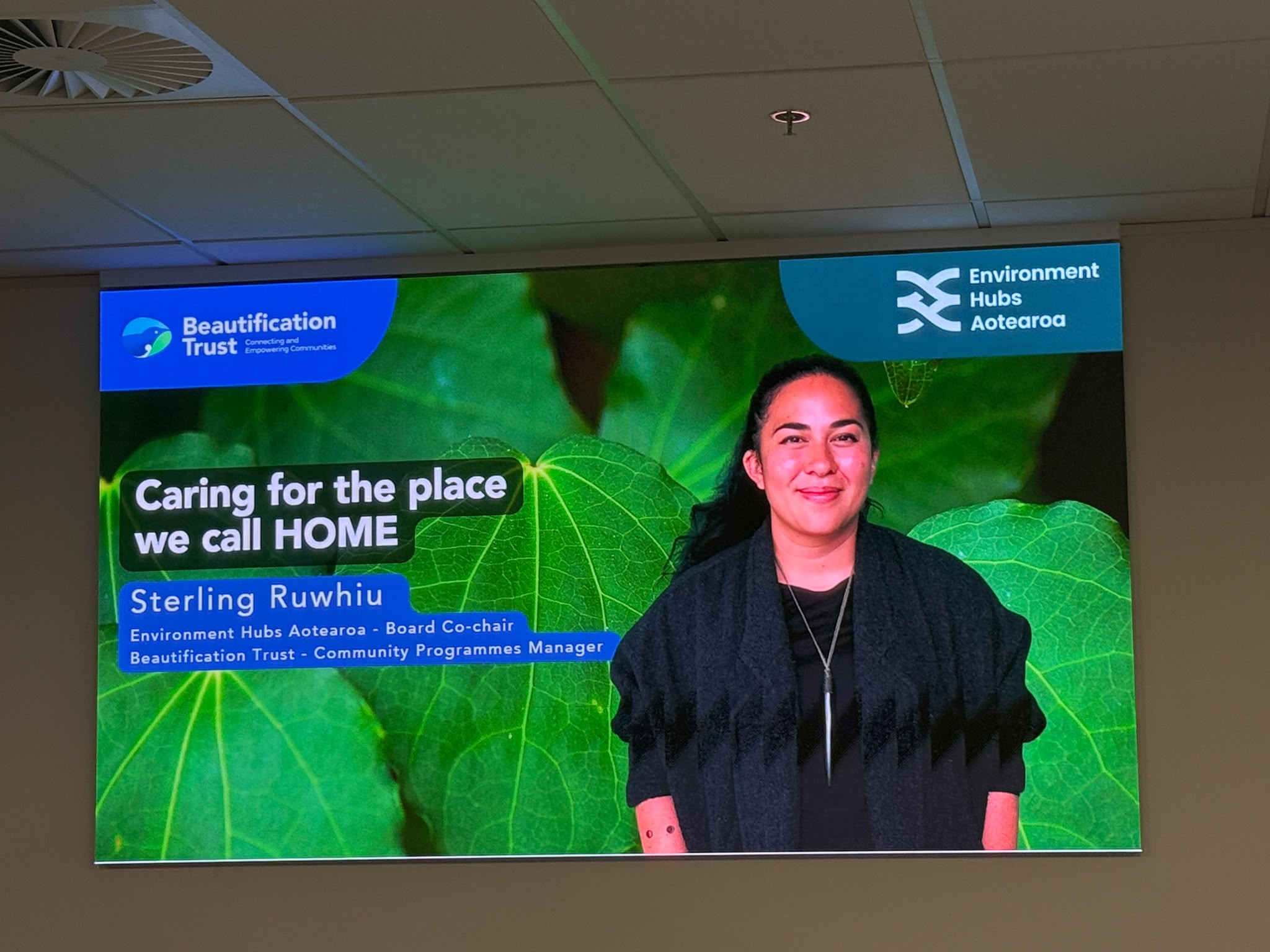
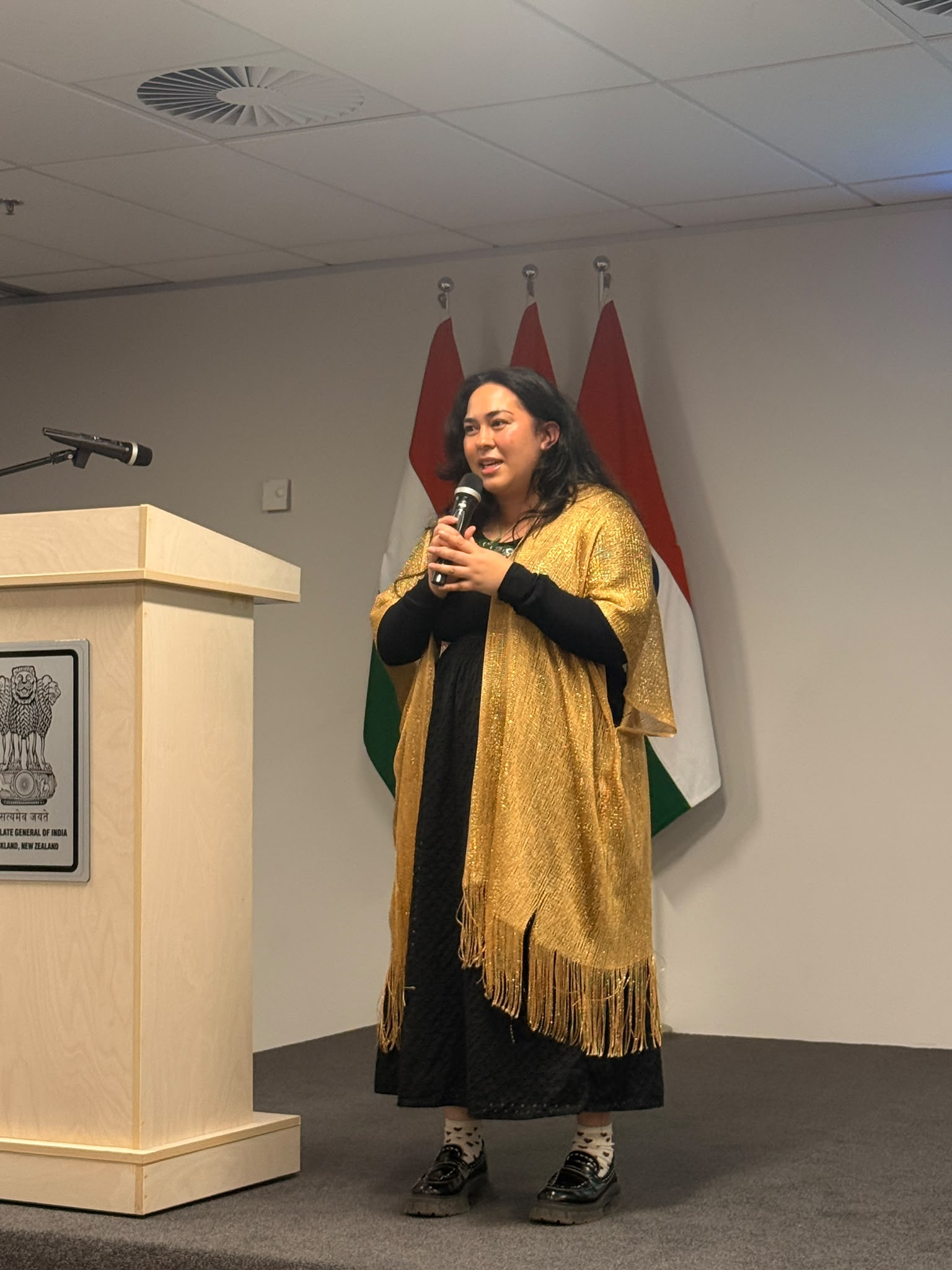
The evening's second speaker, Sterling Rufio, Board Chair of Environmental Hubs Aotearoa and Community Programs Manager at Beautification Trust in Māngere, took a markedly different approach, weaving Māori and Pacific concepts of identity and belonging into a broader conversation about environmental care.
Rufio introduced herself through the Māori practice of whakawhanaungatanga, tracing her connection through her mountain, river, marae and iwi, explaining that in te ao Māori, identity is understood as deeply intertwined with the land itself.
She shared research from Environmental Hubs Aotearoa examining how communities responded during Cyclone Gabrielle and the Auckland Anniversary floods, highlighting how local marae and community leaders often mobilised faster than official emergency responses.
"Make sure you know who your neighbours are," Rufio said, describing this as one of the clearest lessons from that research.
She also spoke about maramataka, the Māori lunar calendar system, explaining how her own grandparents used it to guide when they planted and harvested in their gardens, a practice she regrets not asking more questions about before they passed away.
One audience member drew a direct parallel from the floor, noting that many Hindu religious practices and ceremonies are similarly guided by lunar cycles rooted in Vedic tradition, a connection Rufio welcomed as a shared thread across indigenous knowledge systems worldwide.
Audience Ideas Sparked Real Discussion
The question and answer session produced some genuinely practical exchanges. One audience member raised a peer-to-peer tool-sharing platform, allowing neighbours to borrow equipment like ladders rather than each buying their own, while also earning a small return on underused items.
Another attendee described an initiative in Bangalore where scientists have developed a way to incorporate waste plastic into road construction materials, suggesting the concept could be explored in New Zealand as well.
Sud welcomed the innovation-focused suggestions but returned attendees to a simpler starting point: managing consumption responsibly in the first place, rather than relying solely on new technology to deal with waste after the fact.
A Shared Meal and a Shared Message
The evening included a refreshment break supported by Pro Edge Property Management and Himalaya Delicacies, giving attendees a chance to continue conversations informally before the second half of the programme.
Despite covering vastly different territory, from Indian diplomatic priorities to Auckland Council statistics to Māori cosmology, the evening's speakers converged on a strikingly similar message: sustainability is less about achieving perfection and more about small, consistent, community-rooted actions.
As Rufio put it toward the end of her address, the goal isn't grim obligation but something closer to joy, finding genuine meaning in caring for the people and places we call home, and bringing others along for that journey rather than lecturing them into it.