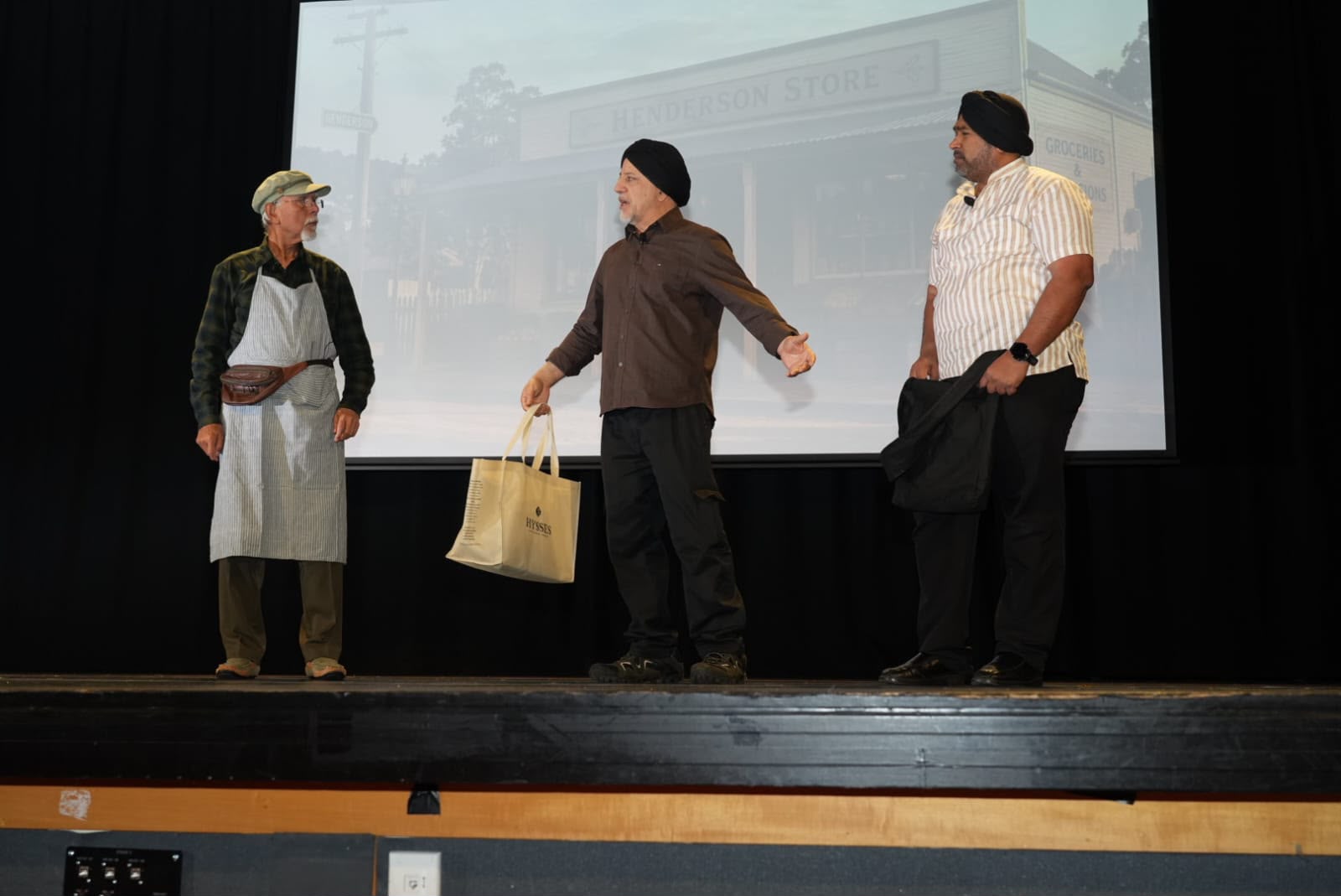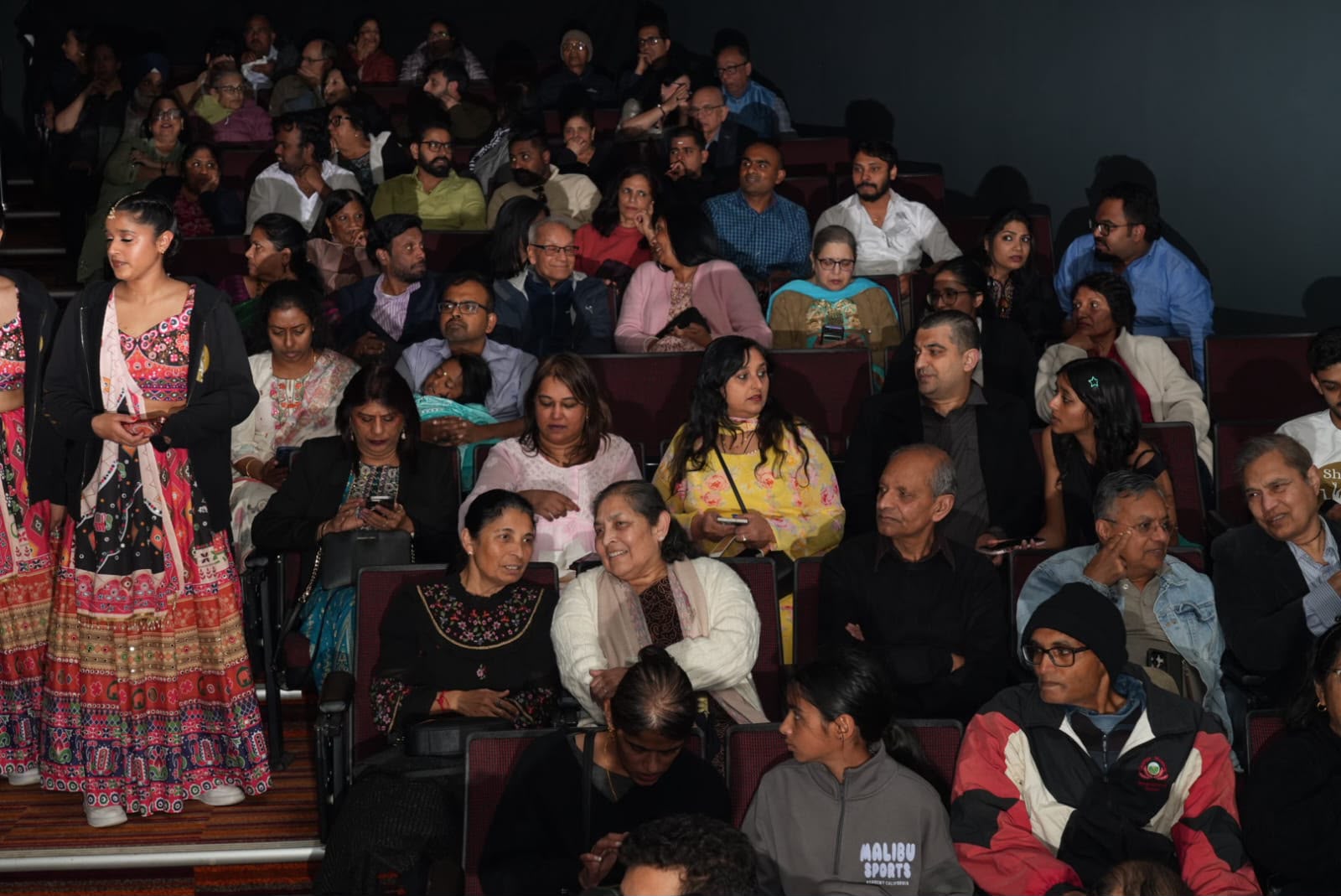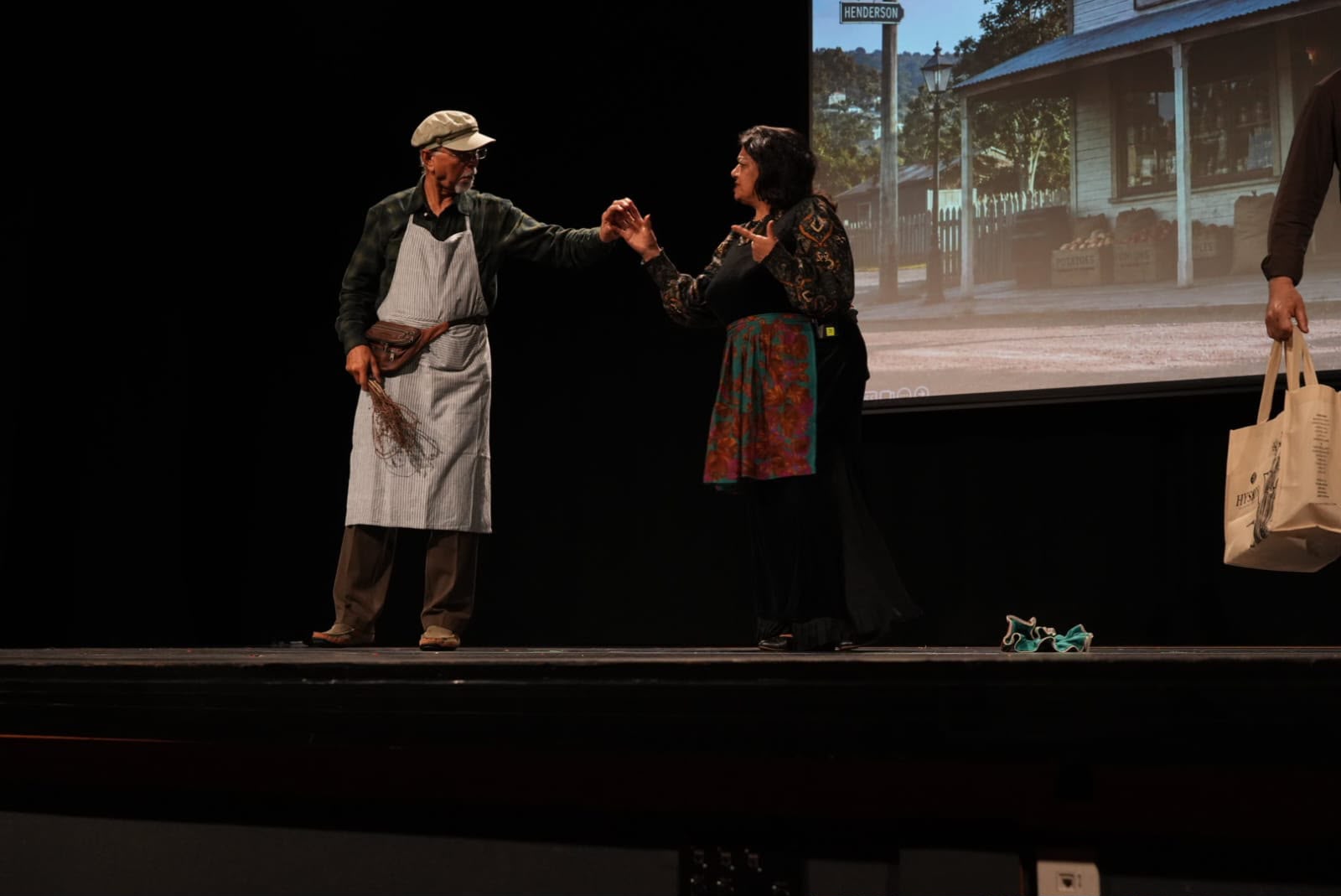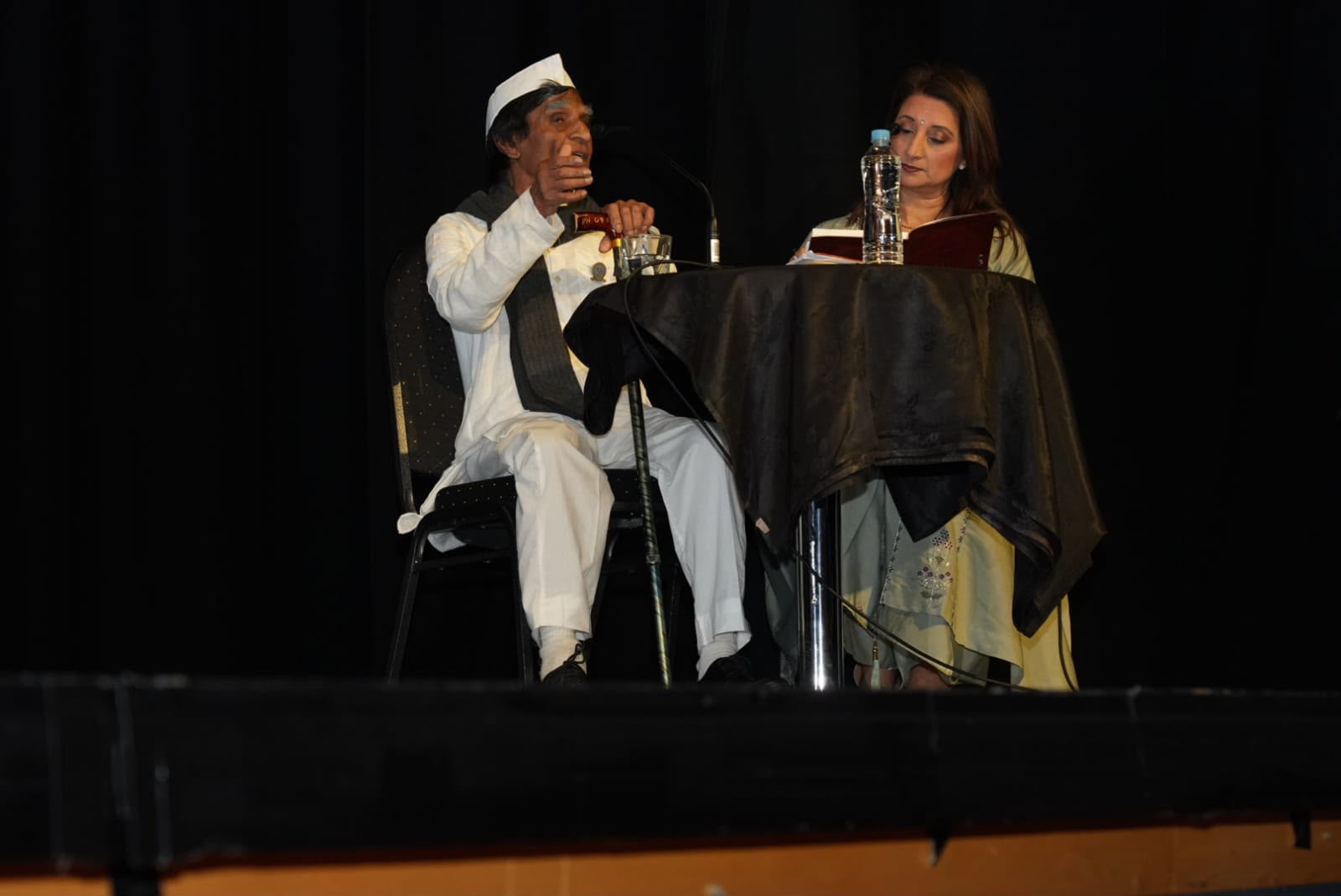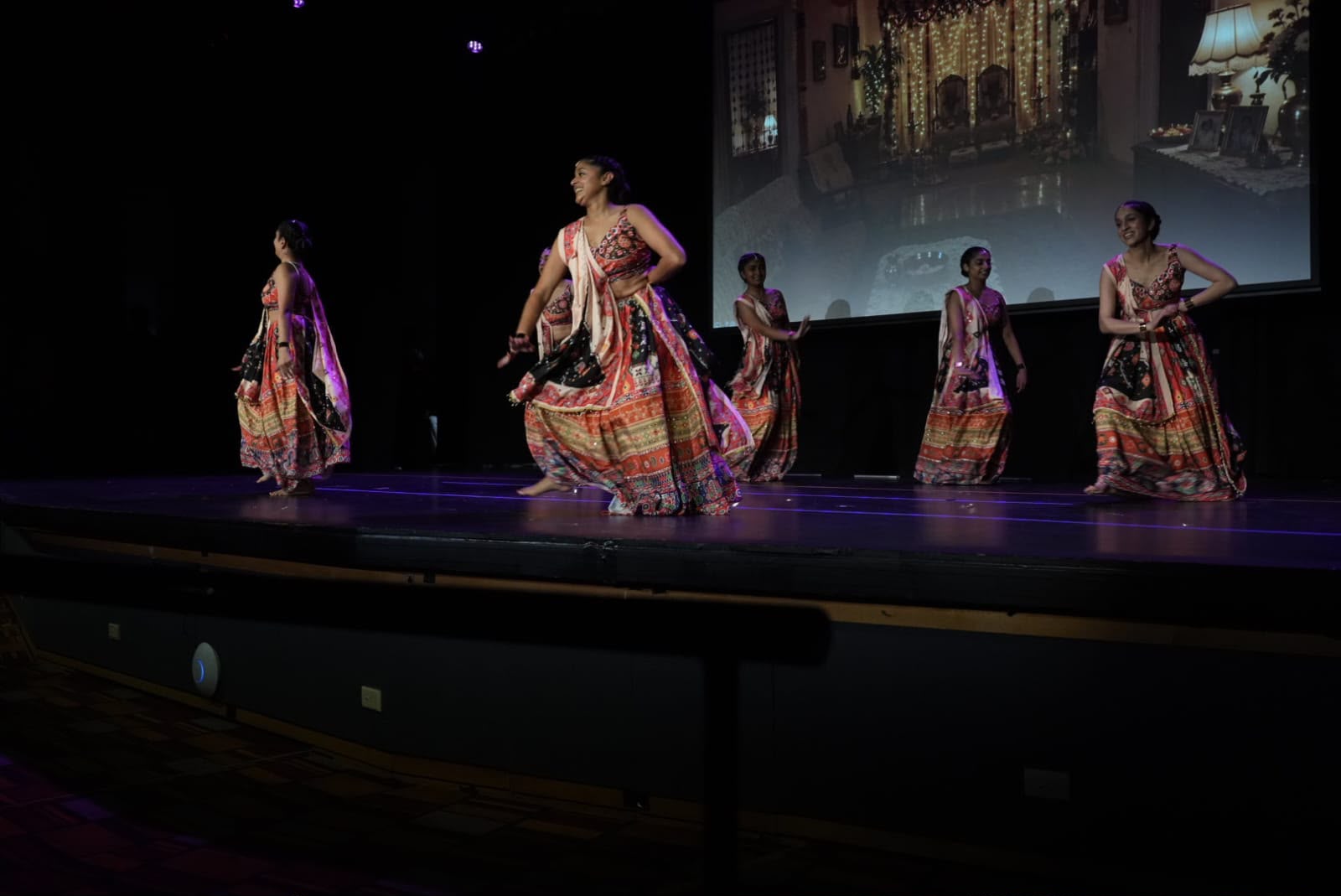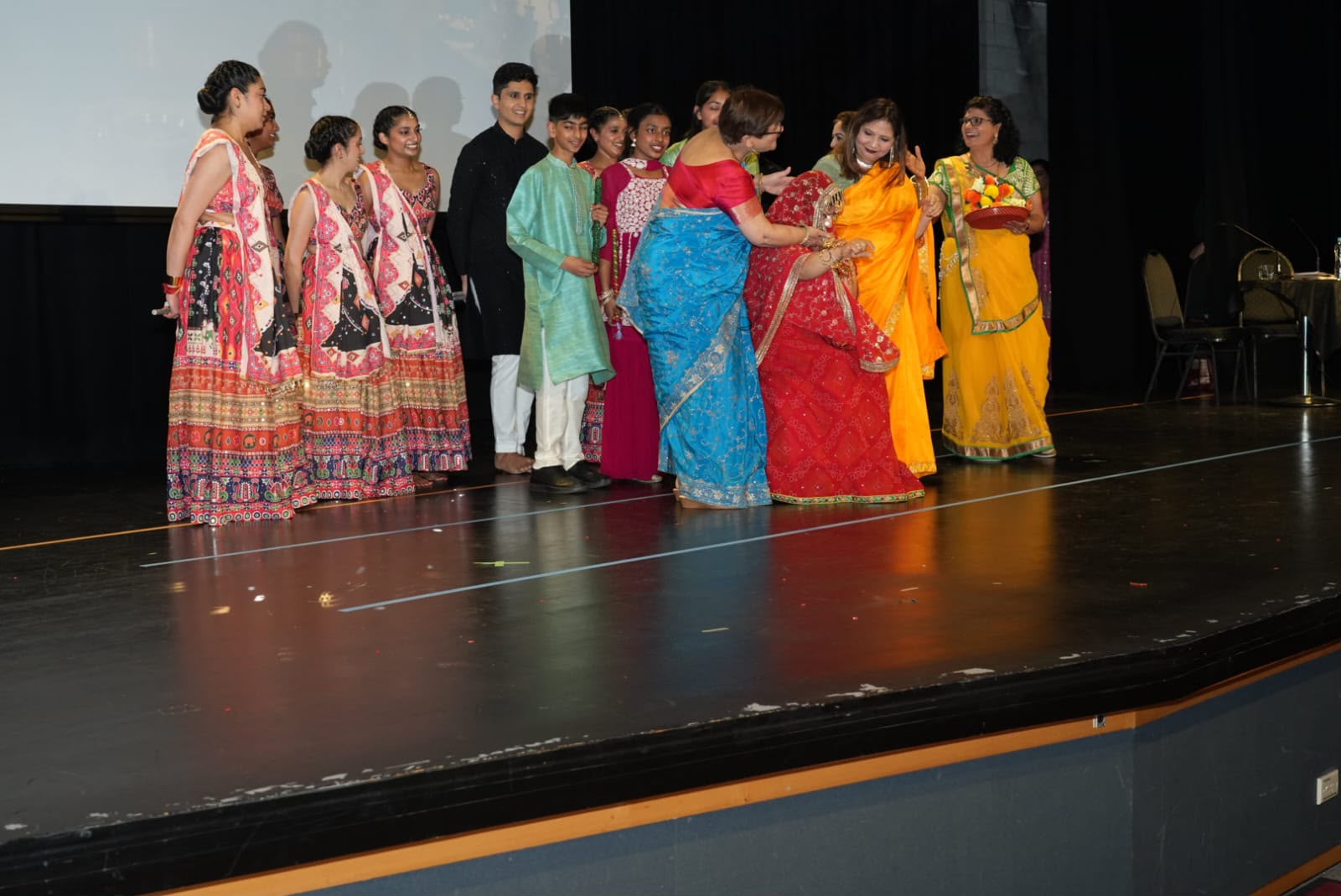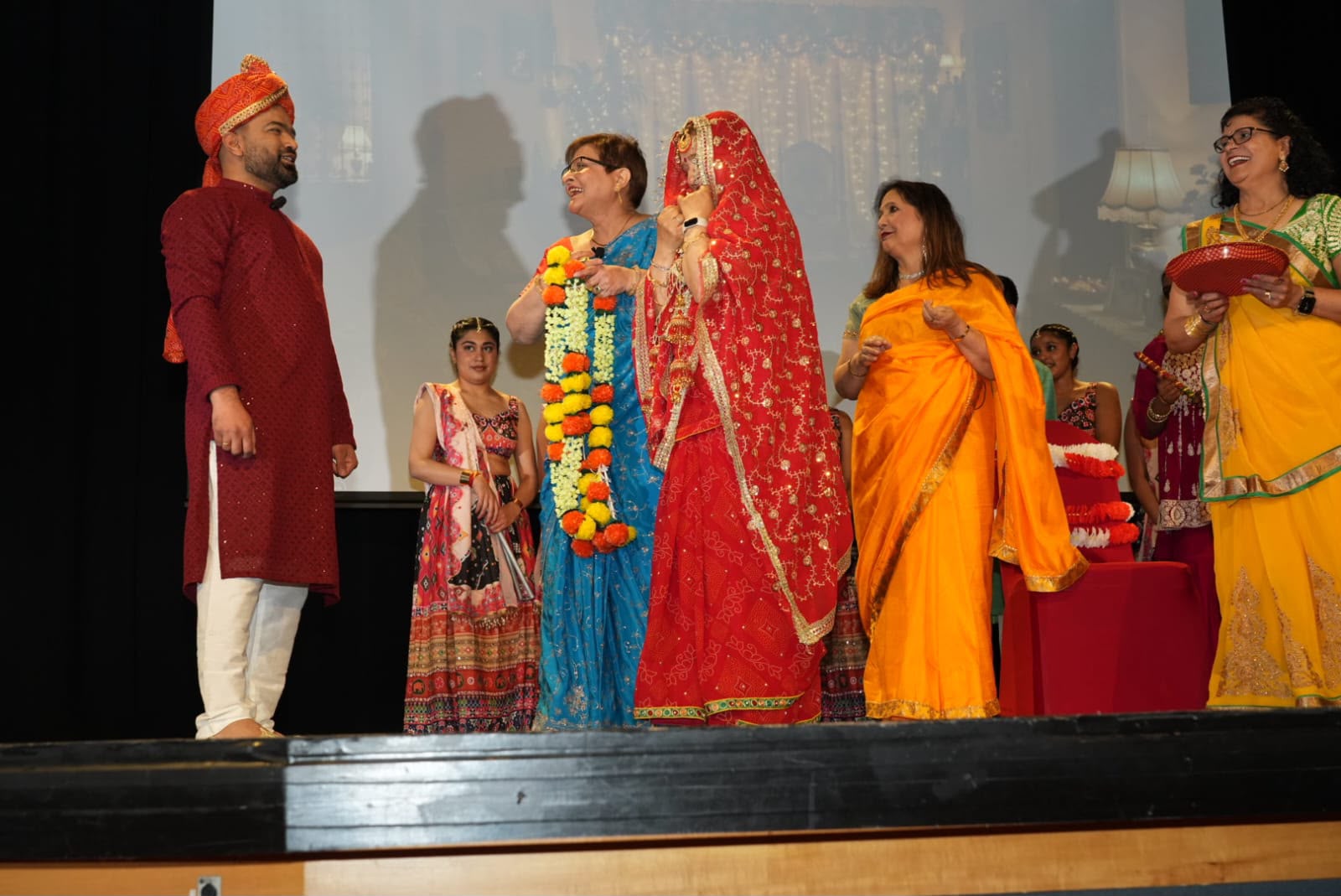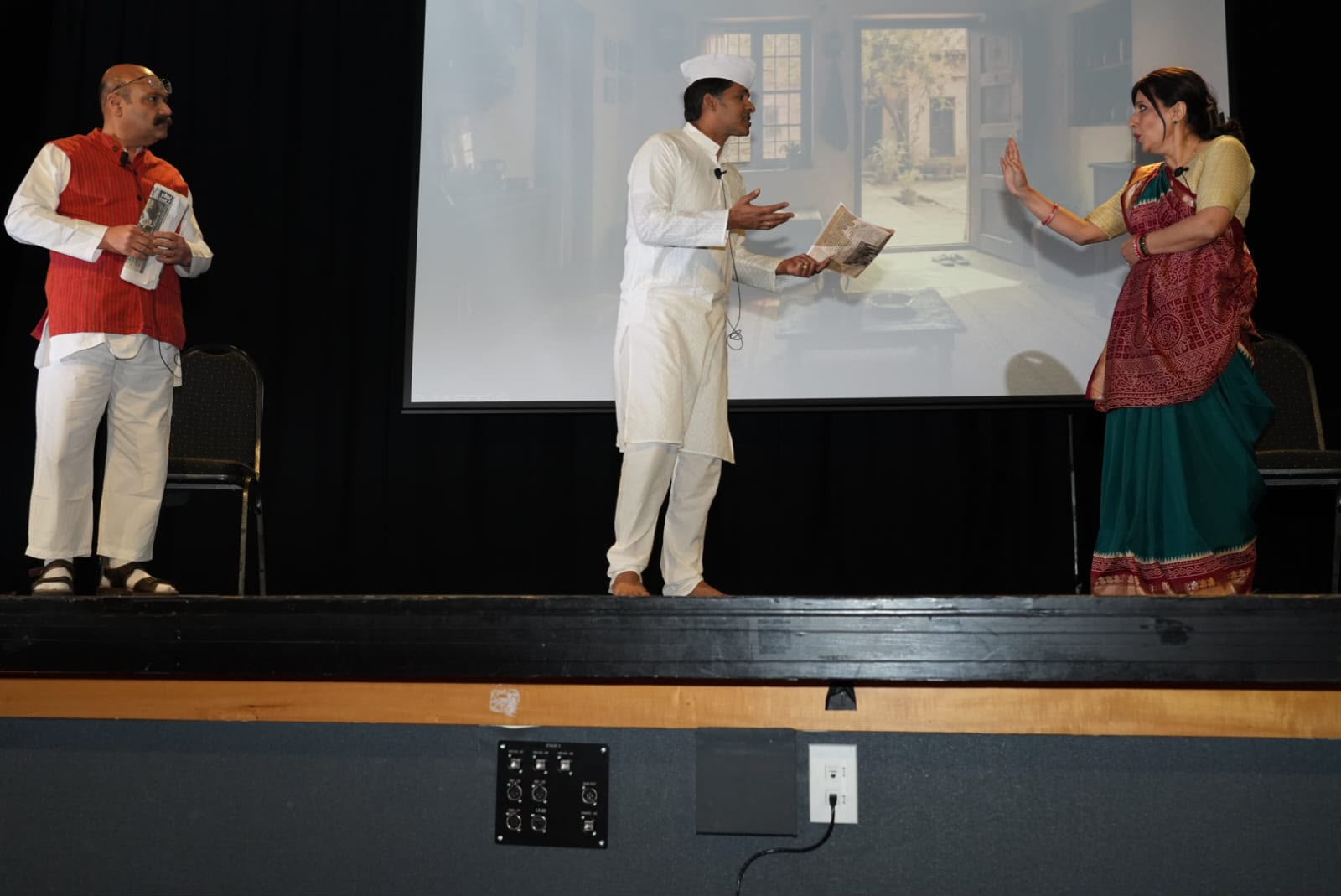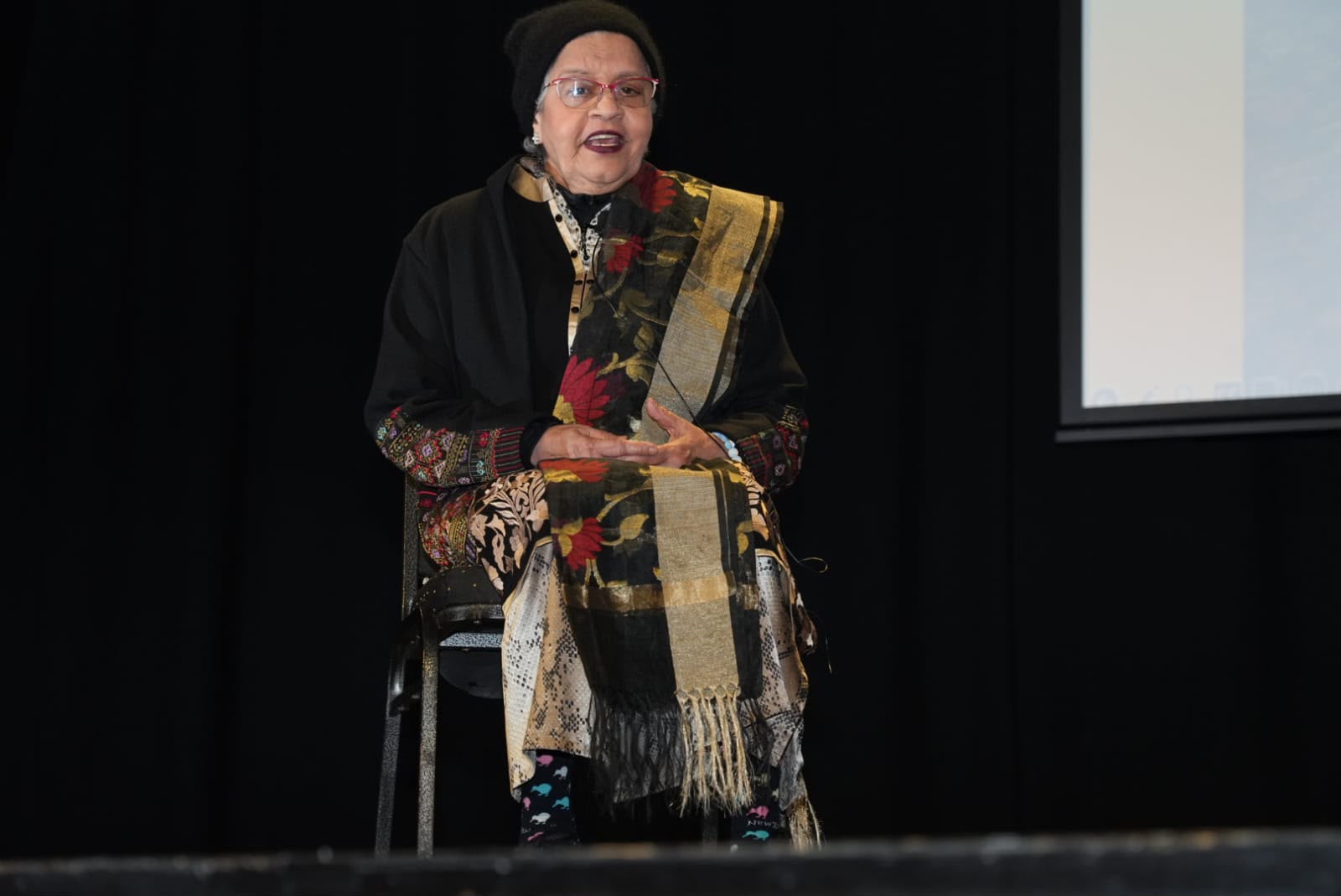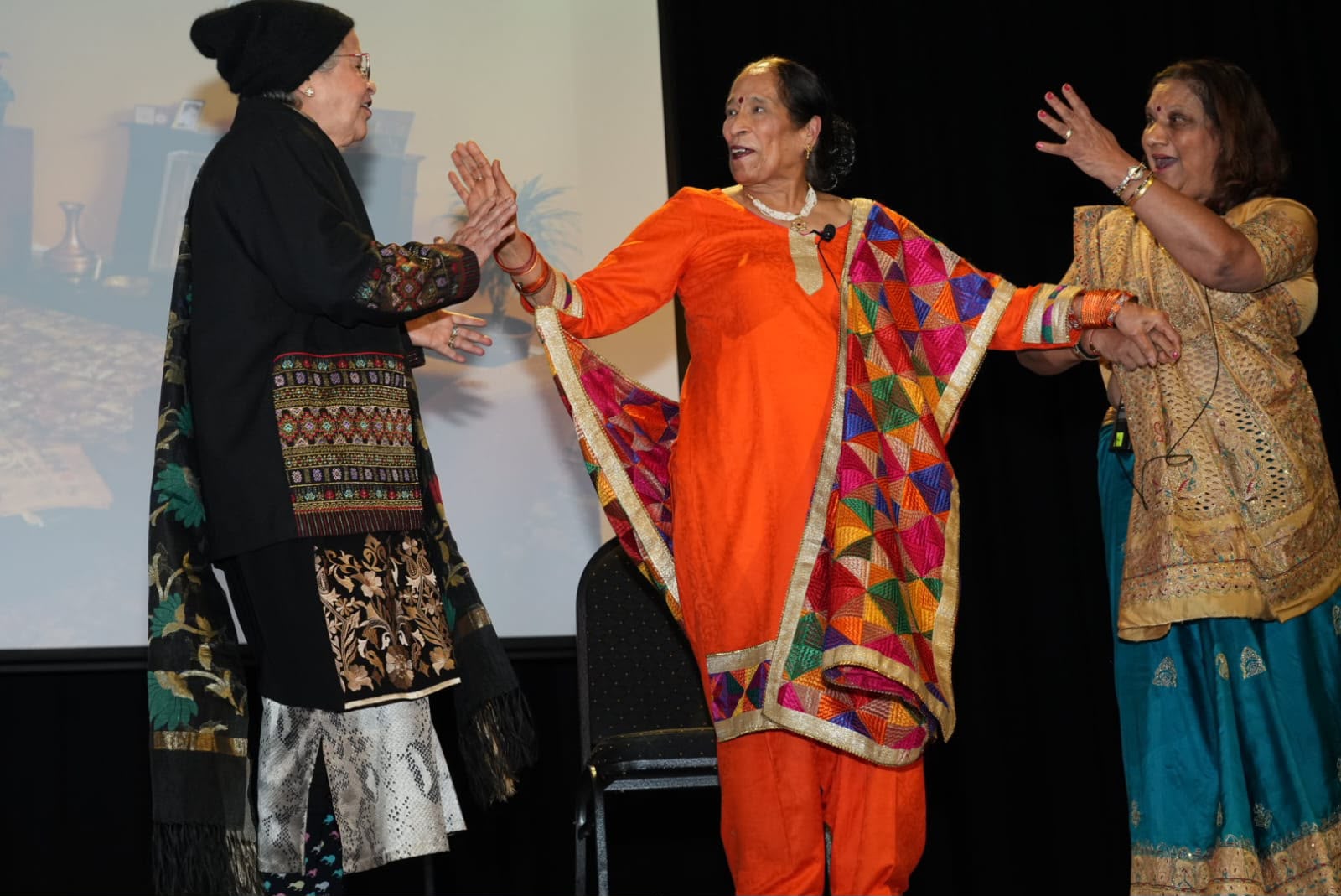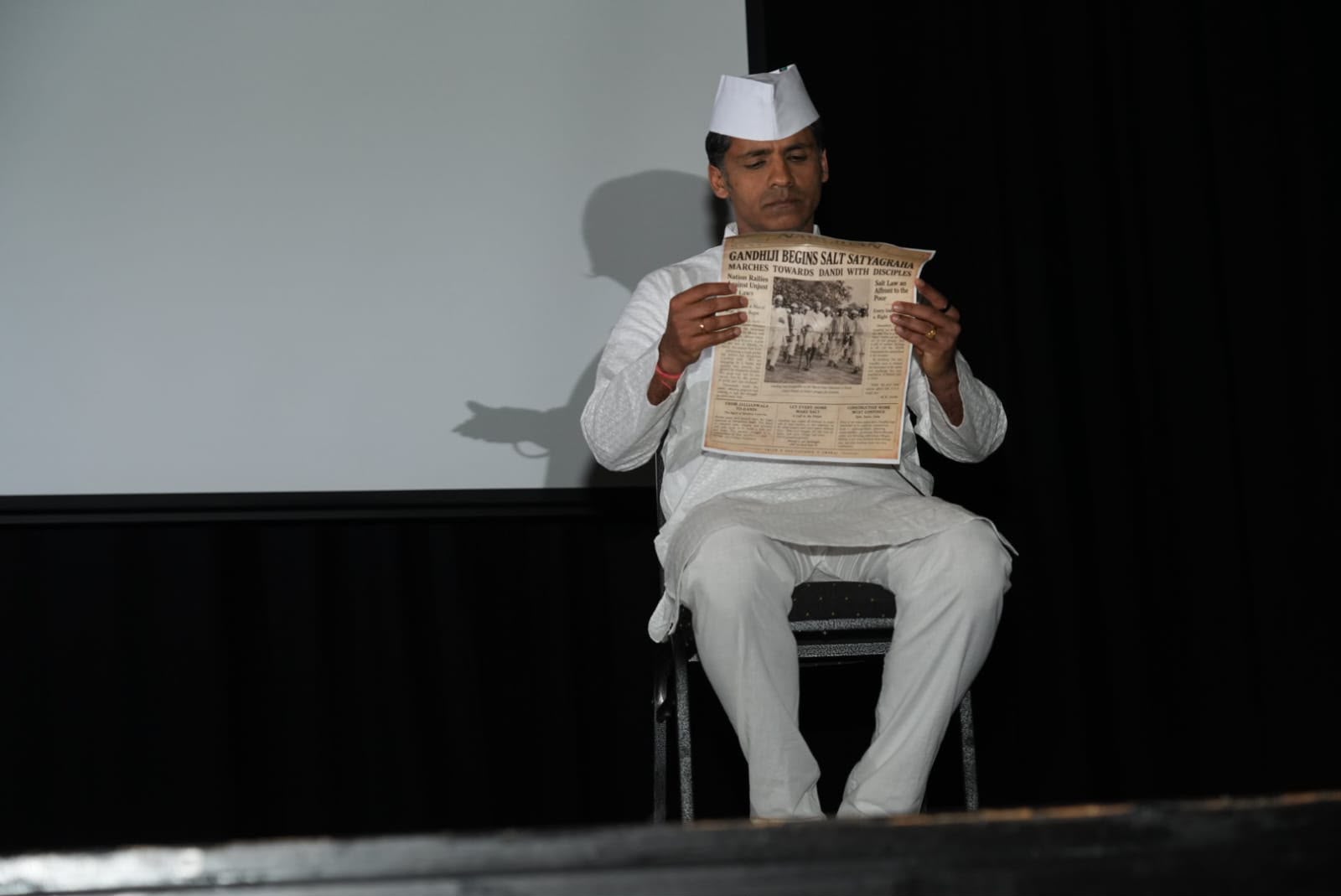
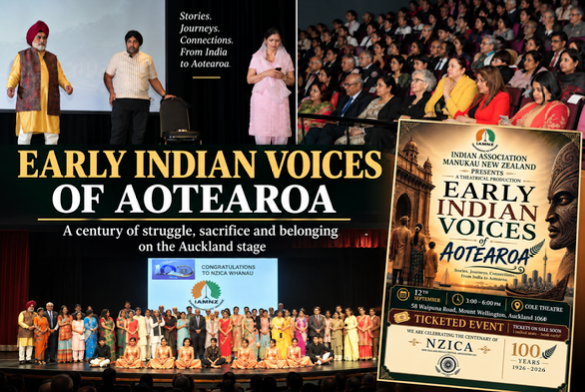
AUCKLAND, 13 September 2026: The history of Indian settlement in New Zealand was brought vividly to life in Auckland on Saturday as Early Indian Voices of Aotearoa took audiences through more than a century of migration, discrimination, resilience and community building.
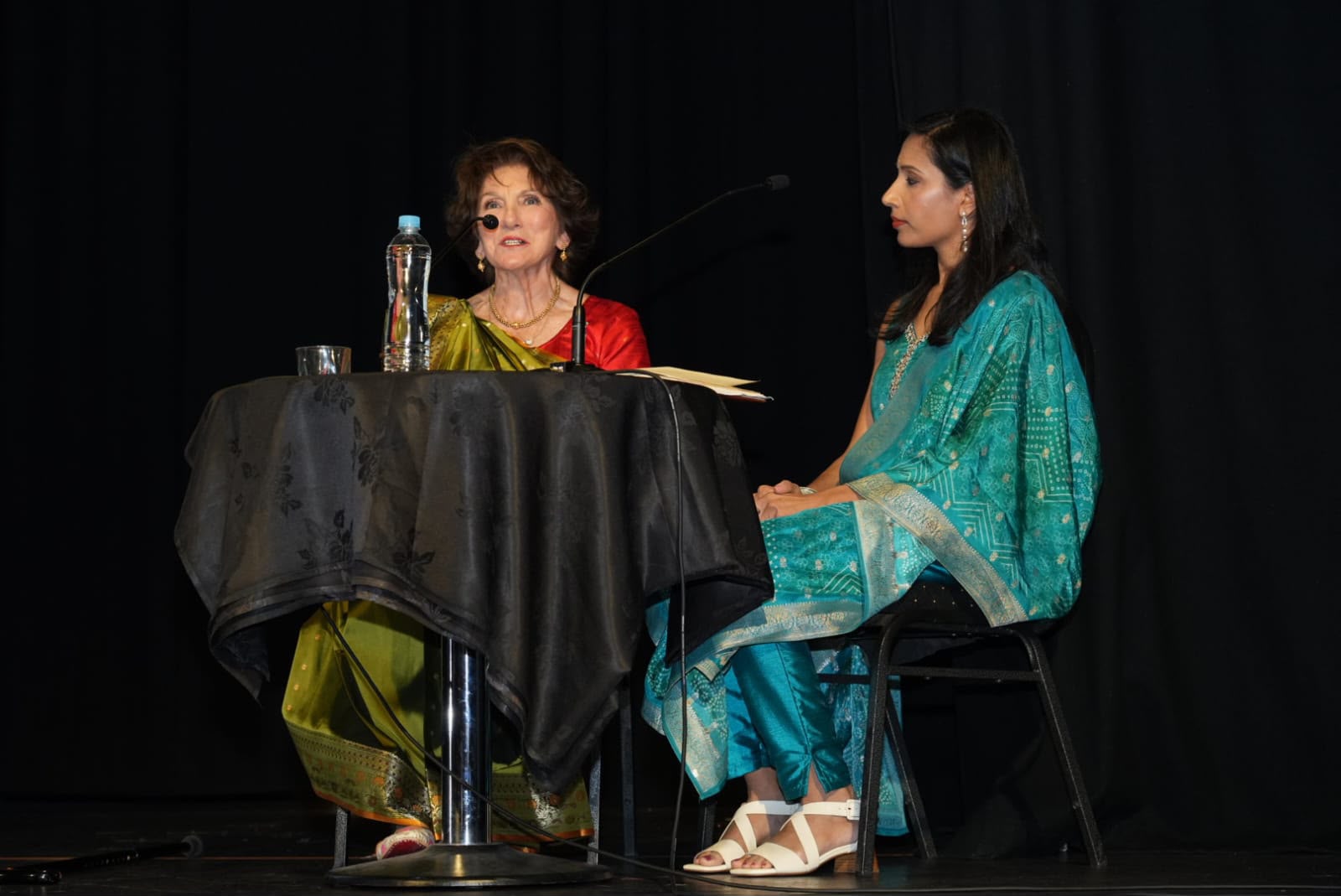
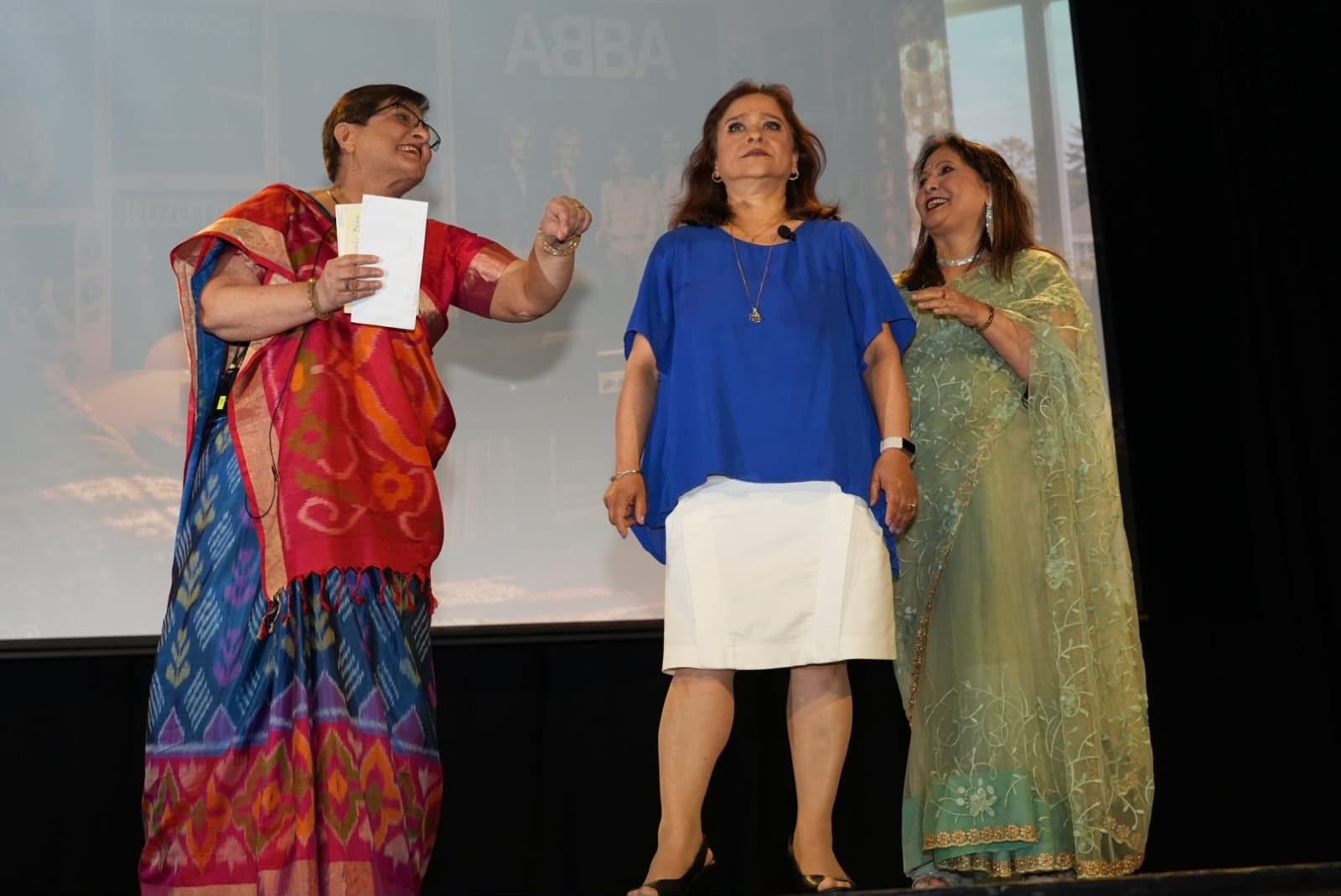
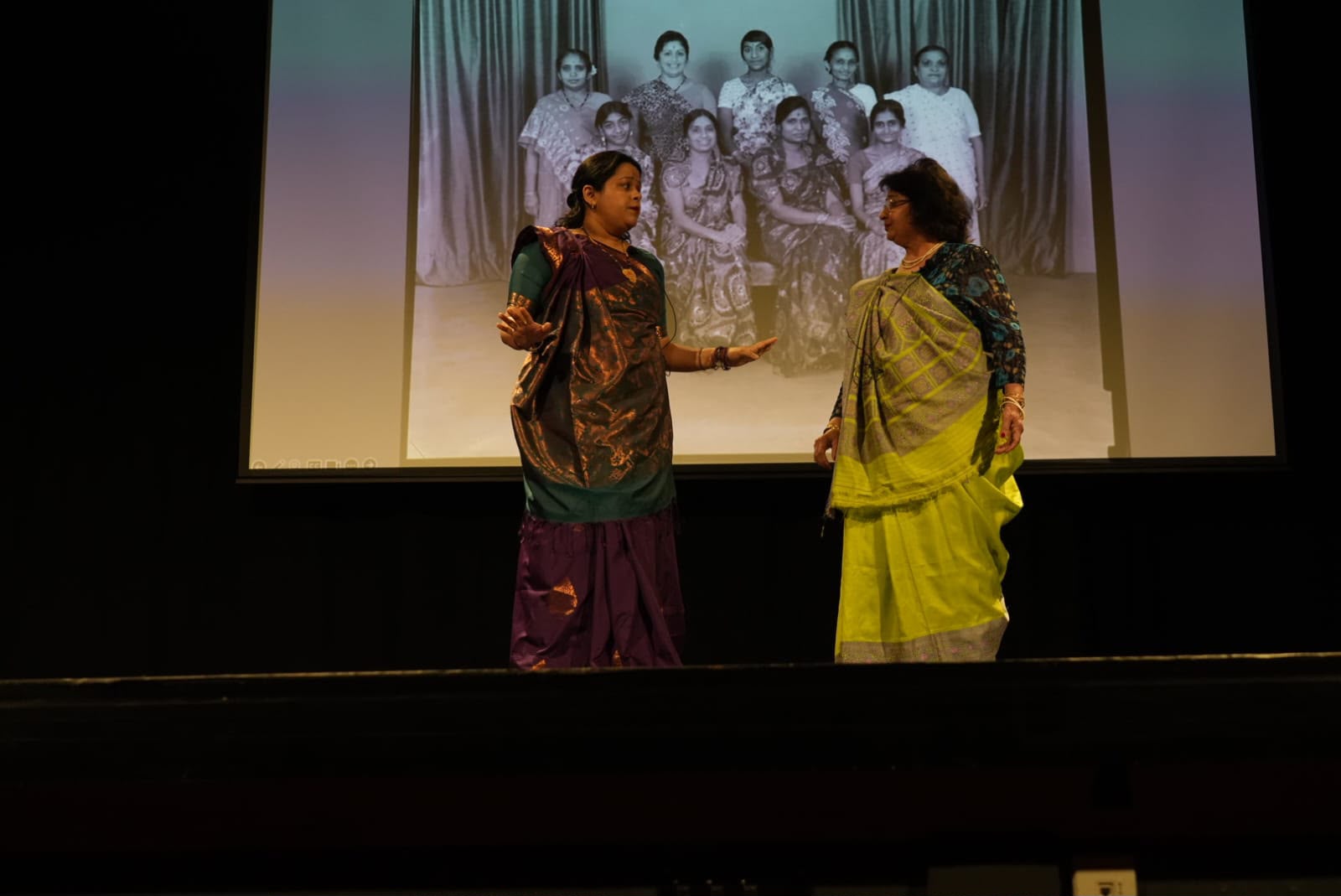
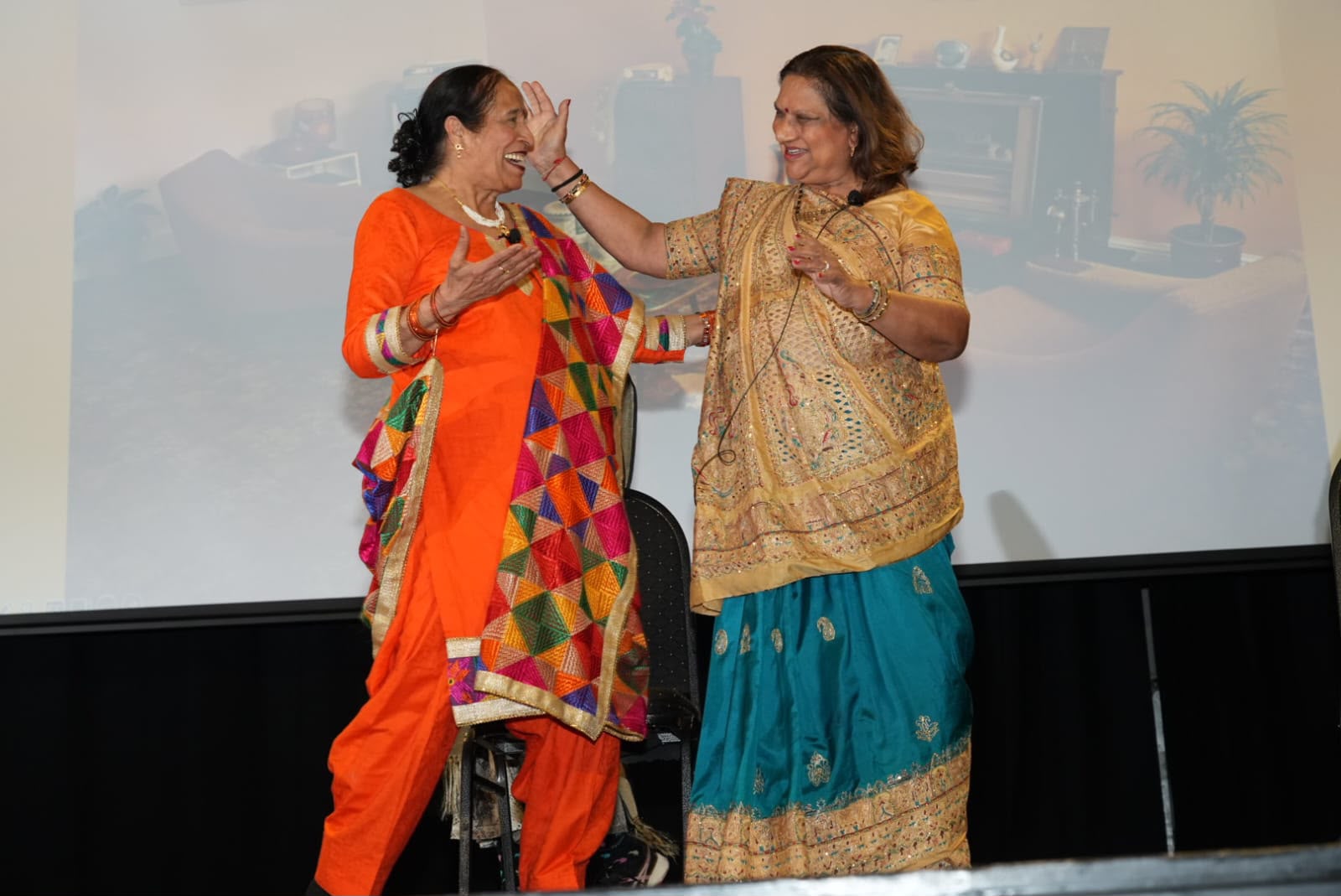
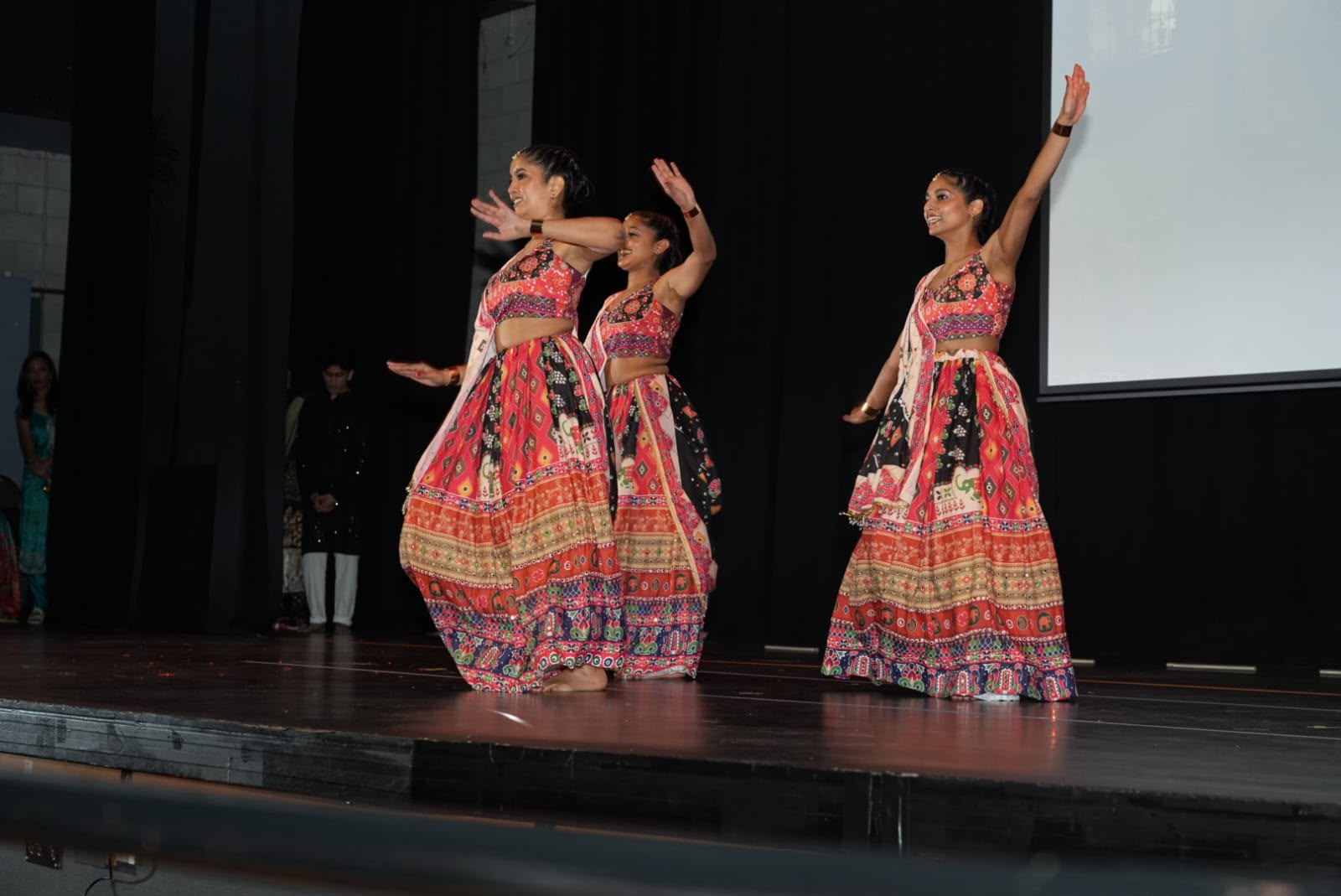
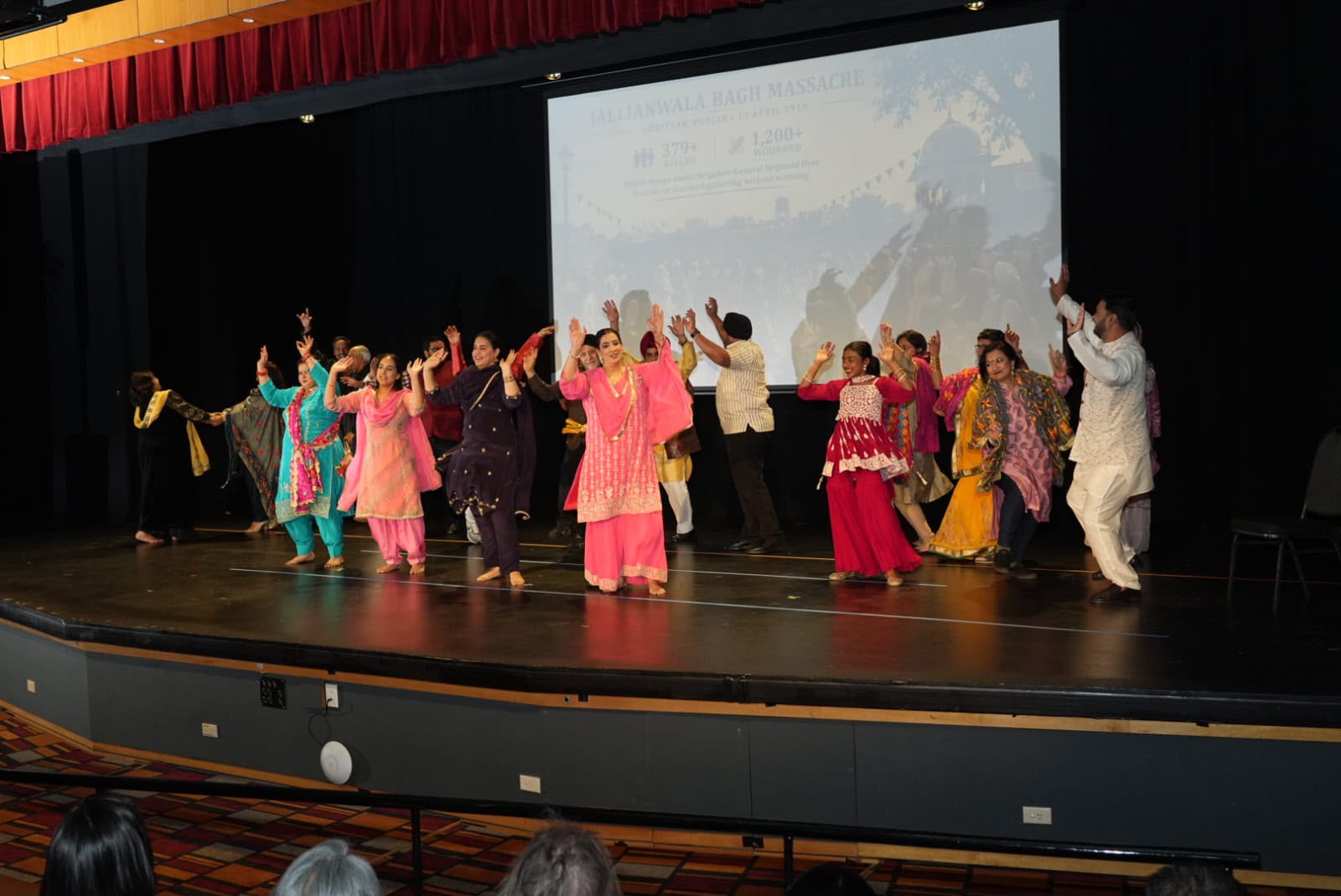
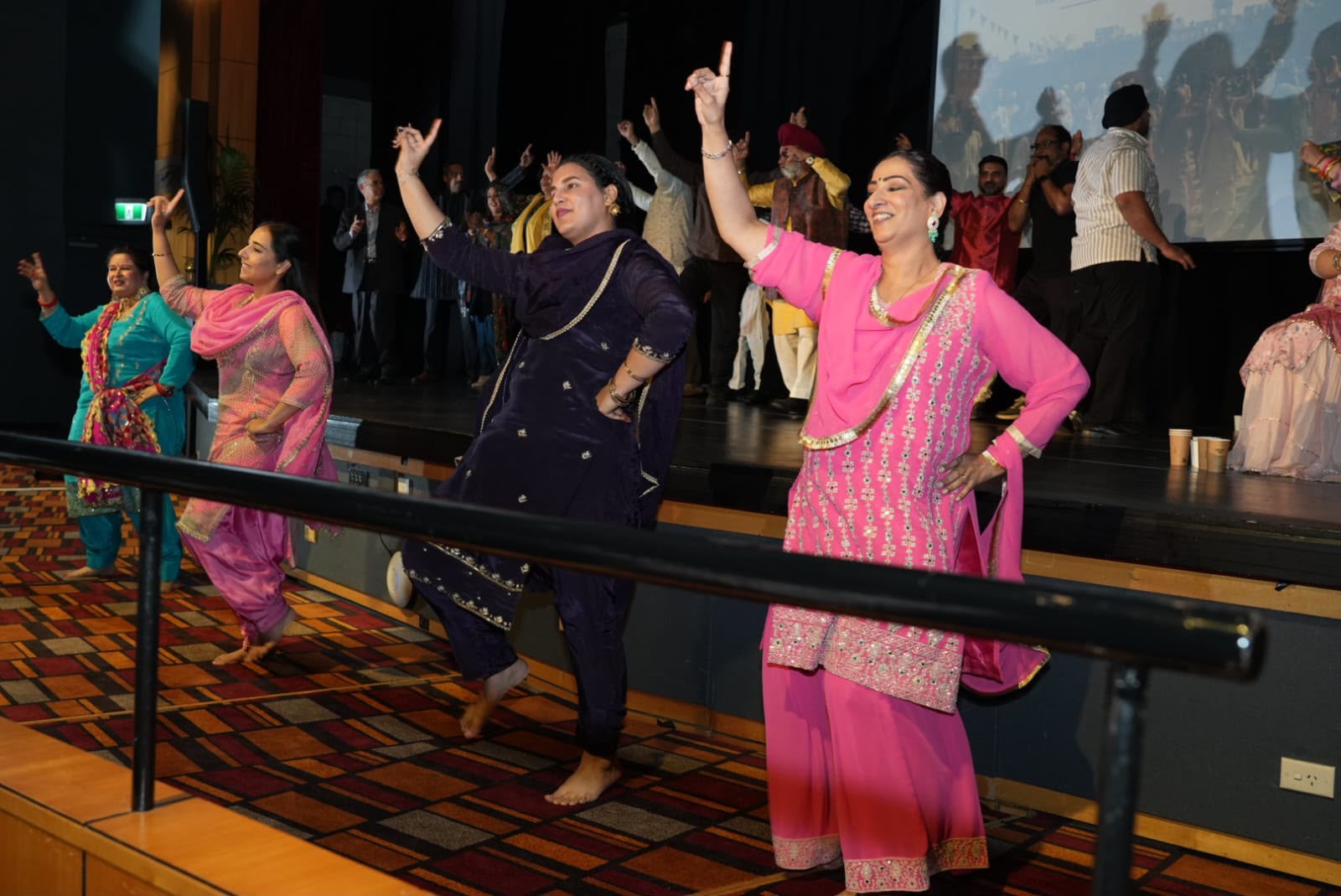
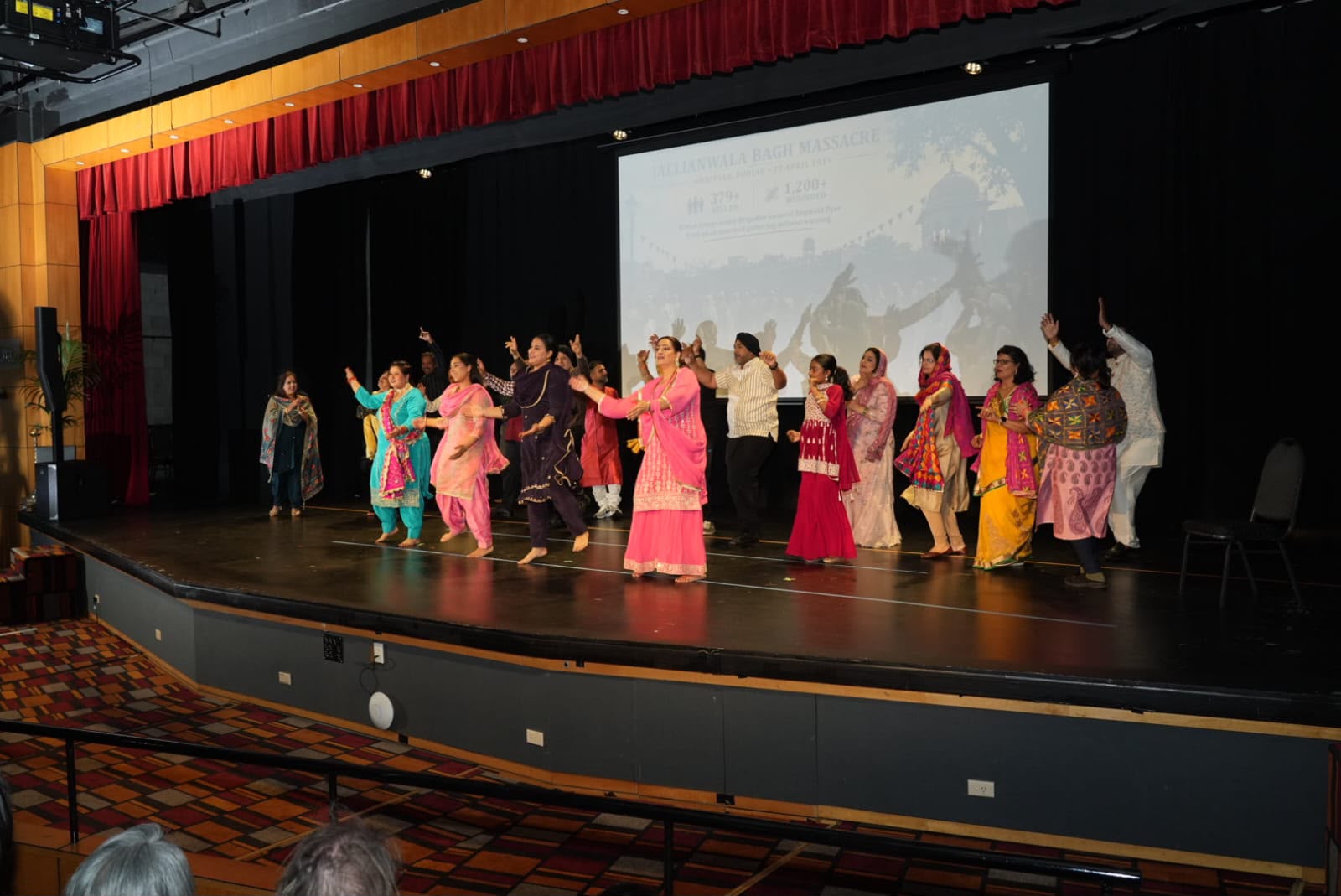
Presented by the Indian Association Manukau New Zealand (IAMNZ) at the Cole Theatre, Waipuna Hotel in Mount Wellington on 12 September, the theatrical production was staged as part of celebrations marking 100 years of the New Zealand Indian Central Association (NZICA).
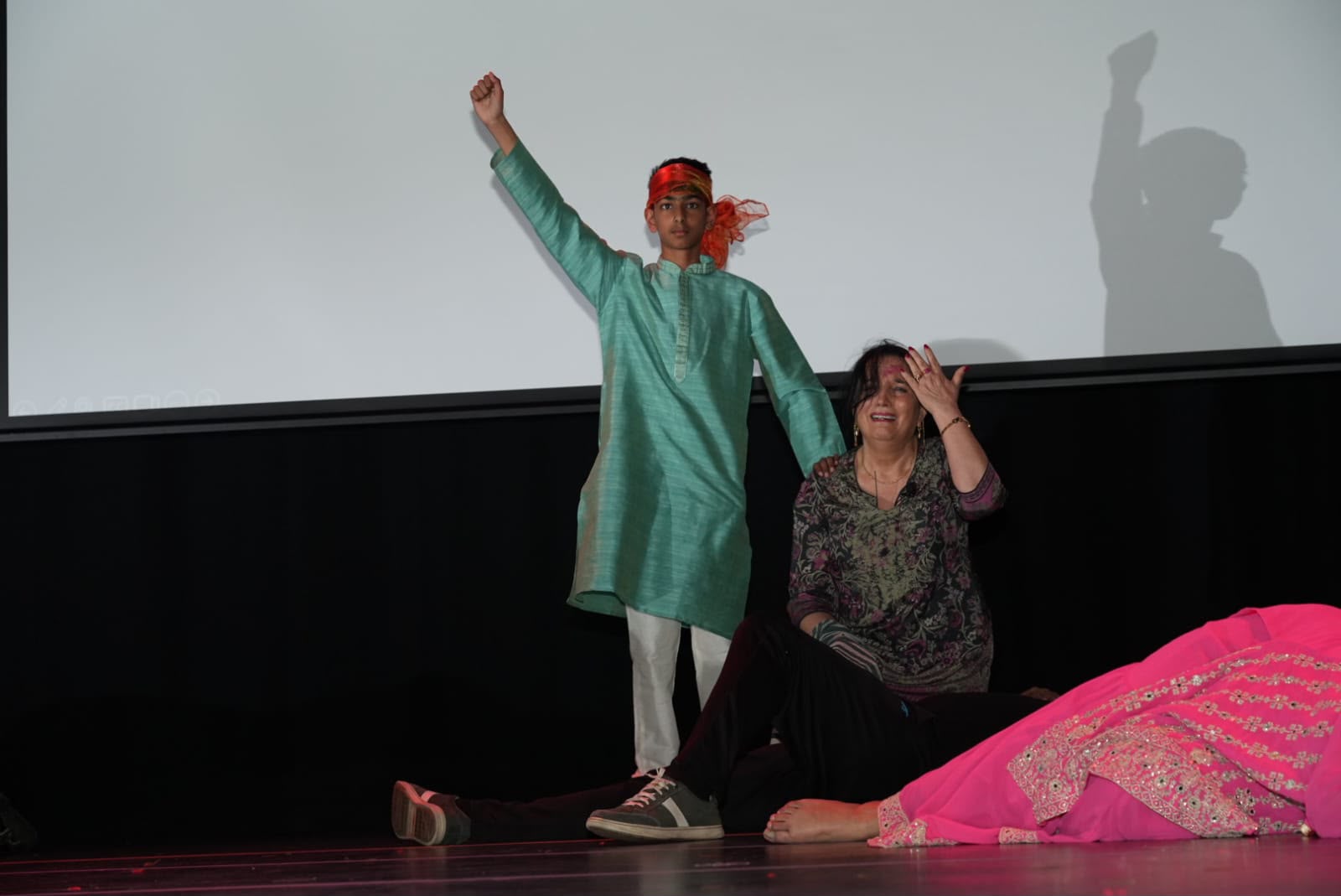
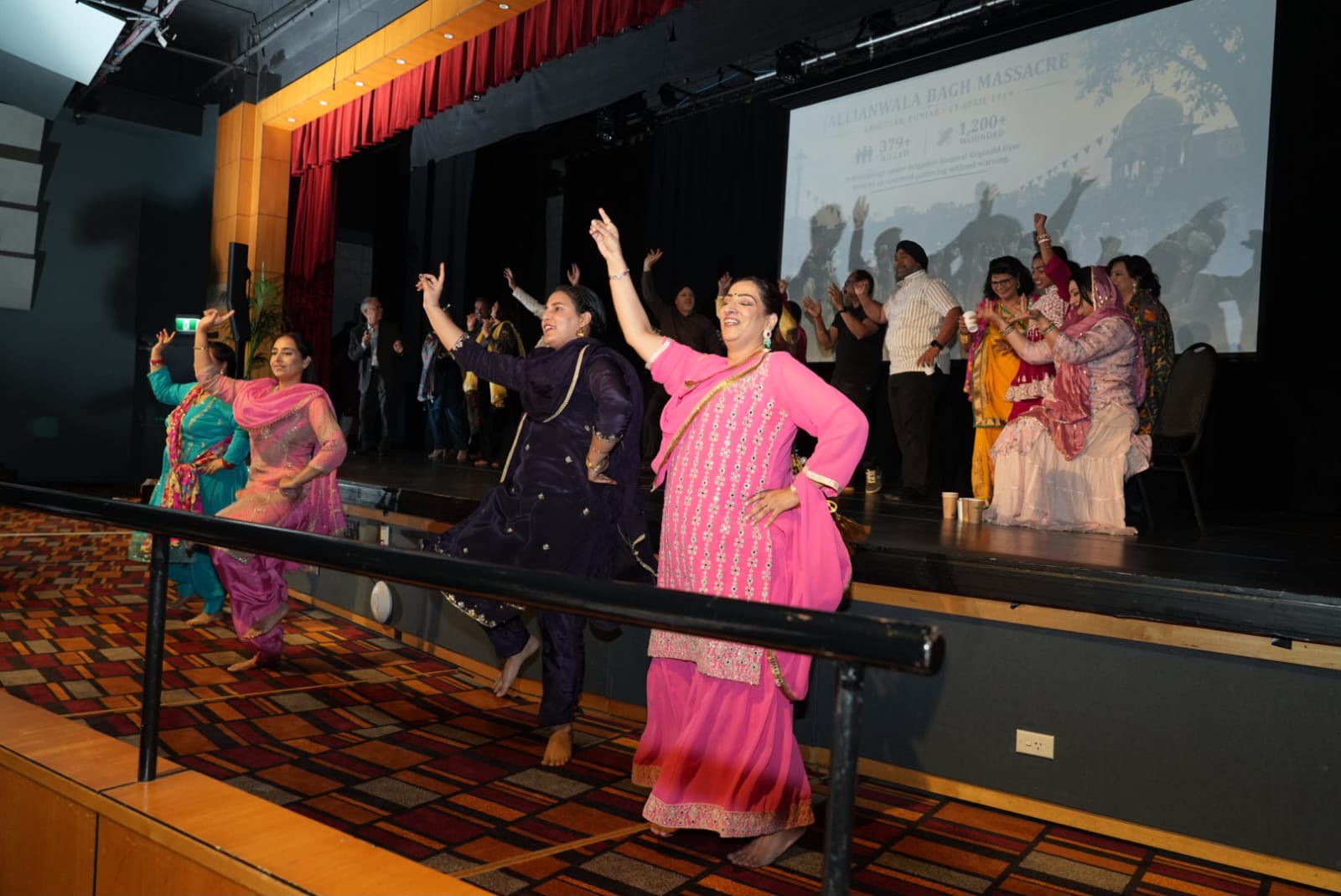
Webfit News attended the production, which combined theatre, music, historical episodes and personal stories to explore the experiences of some of the earliest Indians who made their way to New Zealand.
This was much more than a cultural performance. At its heart was a story about people leaving their families thousands of kilometres away and trying to build a future in a country where acceptance could not be taken for granted.
From Punjab to Aotearoa
One of the most moving parts of the production followed the story of brothers Bir Singh Gill and Phuman Singh Gill, among New Zealand's early Punjabi settlers.
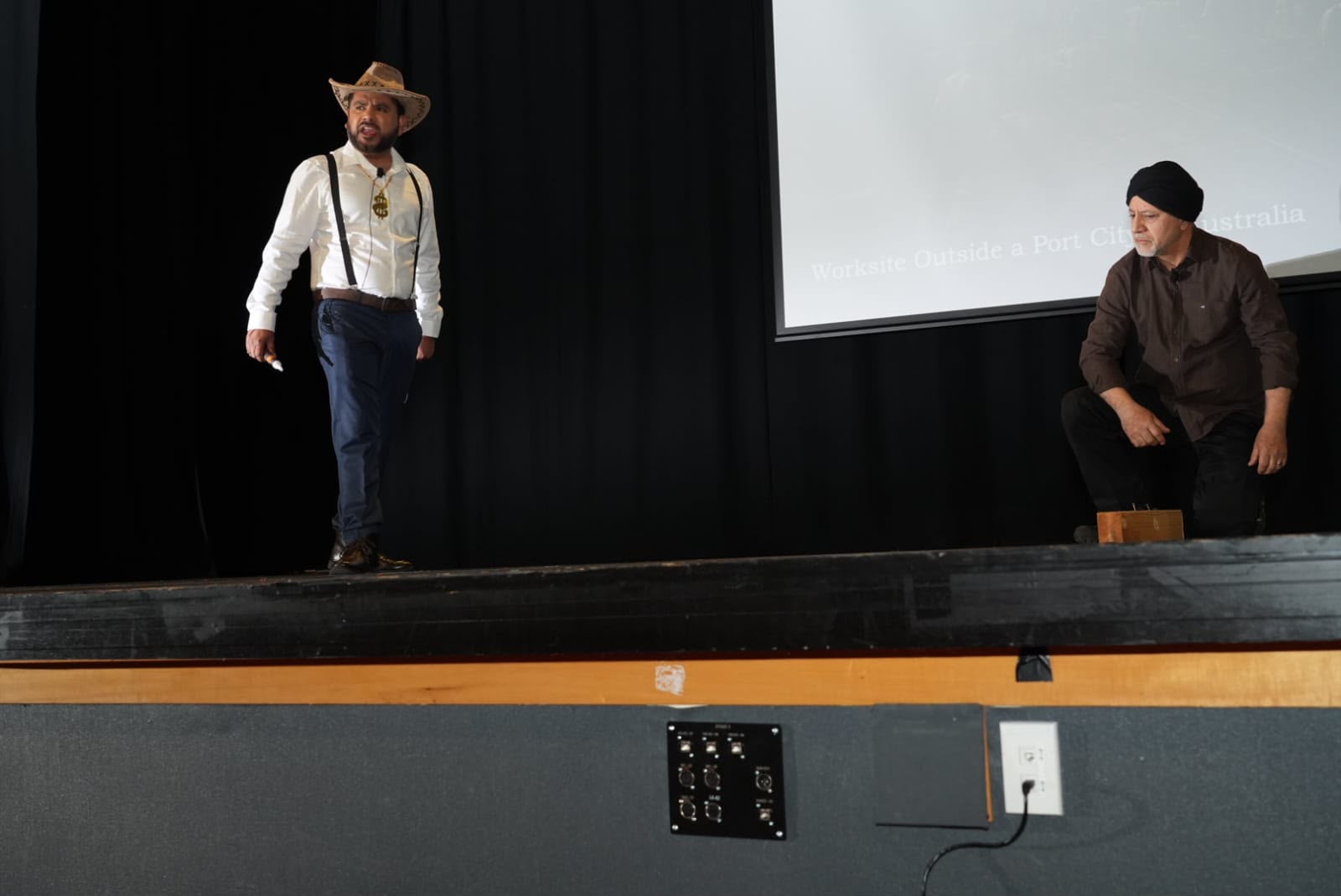
The story begins in a village in Punjab, where Phuman is sent by his family to search for his older brother Bir, who had left India and was living in Australia.
Their mother's instruction is simple but deeply emotional: find your brother and bring him home.
Instead, Phuman finds a man changed by migration.
Bir is shown working under difficult conditions in Australia, where he faces an impatient foreman and the constant awareness that his language, appearance and name mark him as different.
When Phuman confronts his brother about whether he has forgotten his family, Bir's response captures one of the central themes of the production.
He had not forgotten. He had survived.
Unable to see a future in Australia and unwilling to return to India, the brothers eventually decide to try their luck across the Tasman in New Zealand.
The production portrays them travelling through a sparsely populated New Zealand selling herbal remedies and encountering people who had rarely, if ever, met Indians.
In one particularly striking scene, a young boy stares at the brothers, asks why their skin looks different and eventually asks what they are.
Bir's answer is simple: "We are men."
The scene captures the experience of arriving somewhere as a stranger and having to establish not only a livelihood, but also dignity and acceptance.
The Indian story in New Zealand began earlier than many realise
The production also took audiences further into the history of Indians in New Zealand, including stories connected with the country's early working and gold-mining years.
One of the historical figures associated with this period was Edward Peters, an Indian-born worker and prospector known historically as "Black Peter".
Peters is associated with an early discovery of gold in Otago around 1858, before Gabriel Read's discovery helped trigger the major Otago gold rush of 1861.
His story is an important reminder that the Indian presence in New Zealand did not begin with the large migration waves familiar to today's generation.
Indians were present and contributing to the country's economic life more than 160 years ago.
When discrimination was part of everyday life
Some of the production's strongest scenes dealt directly with racism and exclusion.
The audience was shown how Indian settlers could be treated differently simply because of their appearance or background.
The production explored discrimination in everyday places, including the humiliation of Indians being refused service in places such as barber shops.
For today's generation, such scenes can be difficult to imagine. For earlier migrants, however, racial discrimination was not an abstract political debate. It could determine where someone was allowed to go, where they could work, whether they could receive a service and whether they felt accepted in the country they were trying to call home.
The production also explored the impact of historical immigration and nationality rules on Indian families.
One storyline showed the difficult position faced when a New Zealand woman married an Indian man and the consequences that historical nationality and immigration rules could have for the couple.
These scenes turned legislation into something human.
Behind every immigration rule was a family.
Behind every restriction was somebody waiting for permission to live with a husband, wife, parent or child.
Jallianwala Bagh remembered on stage
The production also recreated the tragedy of Jallianwala Bagh, connecting the experience of Indians overseas with the enormous political and emotional changes taking place in India under British rule.
On 13 April 1919, British troops opened fire on a gathering at Jallianwala Bagh in Amritsar, killing and injuring large numbers of people.
The massacre became one of the defining events of India's struggle against British colonial rule.
Its inclusion in Early Indian Voices of Aotearoa carried an important message.
The Indians arriving in New Zealand did not arrive without a past.
They carried India with them through their memories, families, languages, traditions and experiences.
Migration changed where they lived. It did not erase where they came from.
From surviving to finding a voice
As the production moved through different periods, another theme became increasingly important: organisation.
Individual migrants could survive, work and establish families, but confronting discrimination and restrictive policies required something more.
It required a collective voice.
That is where the New Zealand Indian Central Association became central to the story.
NZICA was established in 1926, bringing together Indian community organisations at a time when New Zealand's Indian population was still relatively small.
The organisation became an important platform through which the community could raise concerns, advocate on immigration and other issues, challenge discrimination and represent Indian interests nationally.
That history made Saturday's performance particularly significant.
In 2026, NZICA is celebrating 100 years.
An organisation created during an era when Indian settlers often struggled to have their voices heard has survived for a century.
The centenary is therefore much more than an organisational milestone. It represents 100 years of community advocacy, representation and institution-building by Indians in New Zealand.
The growth of the Indian community in Manukau
The production also reflected the development of organised Indian community life in South Auckland and the eventual establishment and growth of what is today the Indian Association Manukau New Zealand.
As more Indian families settled across areas including Papatoetoe, Māngere, Ōtāhuhu, Manurewa, Papakura and surrounding communities, local organisations became increasingly important in maintaining cultural connections and supporting families.
The South Auckland Indian Cultural Society was formed in 1980 and incorporated the following year, with the organisation later adopting the Manukau Indian Association name.
Today, IAMNZ continues that community journey.
There was therefore something particularly fitting about IAMNZ bringing this history onto the stage.
A community organisation built by earlier generations was now telling the story of the generations that came before it.
History told through people, not just dates
Perhaps the greatest strength of Early Indian Voices of Aotearoa was that history was not presented simply as dates, laws and organisations.
It was presented through people.
A mother watched her son leave Punjab, uncertain whether she would ever see him again.
A brother travelled across countries searching for another brother.
Workers accepted difficult jobs because survival came first.
Migrants endured their names being mispronounced and their appearance being questioned.
Families confronted immigration rules they had little power to change.
People faced discrimination in ordinary places.
Letters travelled across oceans when families could not.
And eventually, individuals who once struggled alone began organising collectively.
The Gill brothers' story ends with a powerful idea about how history might eventually remember people who were once treated simply as outsiders.
They would become pioneers, early settlers and the early Indian voices of Aotearoa.
That line captures the wider meaning of the production.
Early Indian Voices of Aotearoa was not simply about where Indian New Zealanders came from.
It was about what earlier generations endured to remain here.
It was about leaving home, finding work, confronting prejudice, maintaining family connections, building communities and gradually claiming a place in New Zealand's story.
A century after NZICA was established to help amplify Indian voices, those early voices were heard again on an Auckland stage.
This time, an audience was there to listen.
Webfit News