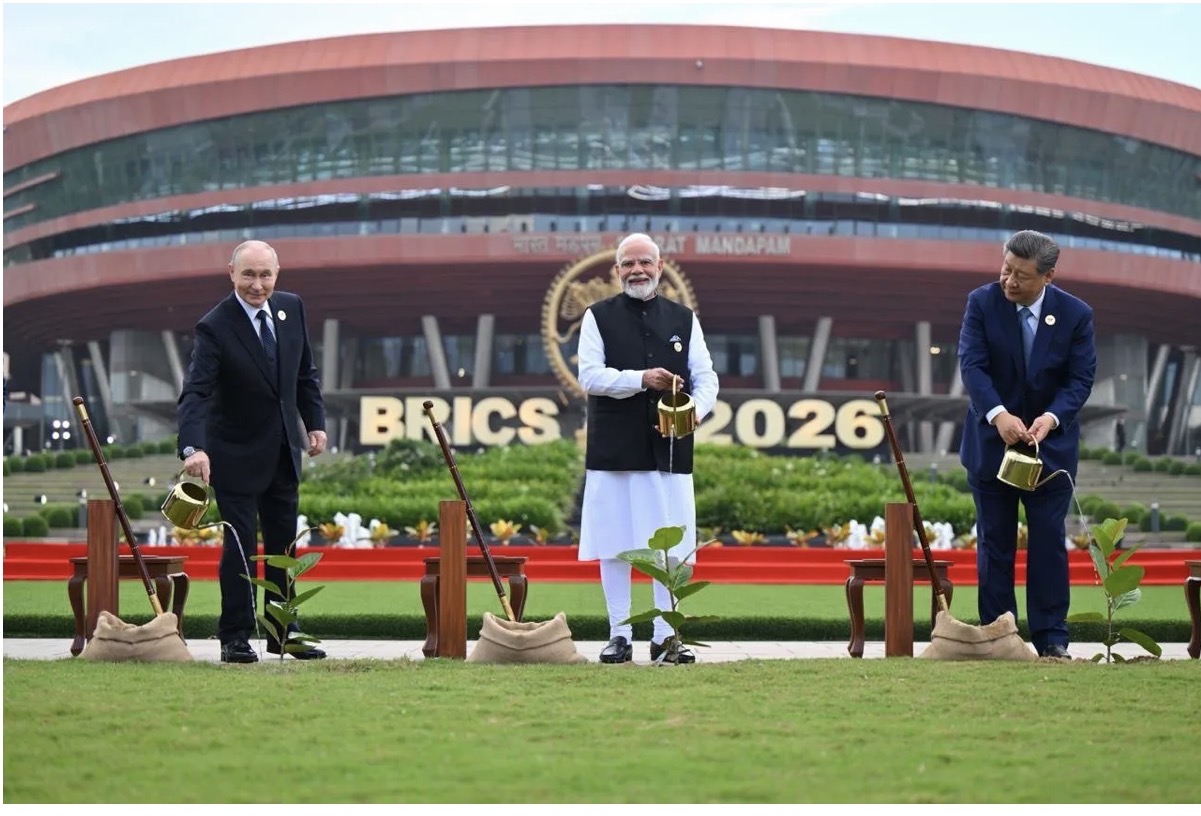
New Delhi: The opening day of the 18th BRICS Summit in New Delhi delivered a significant mix of diplomacy, economic cooperation and geopolitical messaging, as some of the world’s most influential leaders gathered amid wars, trade tensions and growing calls to reform the international system.
Hosted by India on September 12 and 13, the summit brought Prime Minister Narendra Modi together with leaders including Chinese President Xi Jinping, Russian President Vladimir Putin and Iranian President Masoud Pezeshkian.
The first day culminated in the adoption of the New Delhi Declaration, a wide-ranging document covering conflicts in the Middle East, terrorism, global trade, United Nations reform, artificial intelligence, energy security and closer financial cooperation among BRICS economies.
Modi-Xi meeting draws global attention
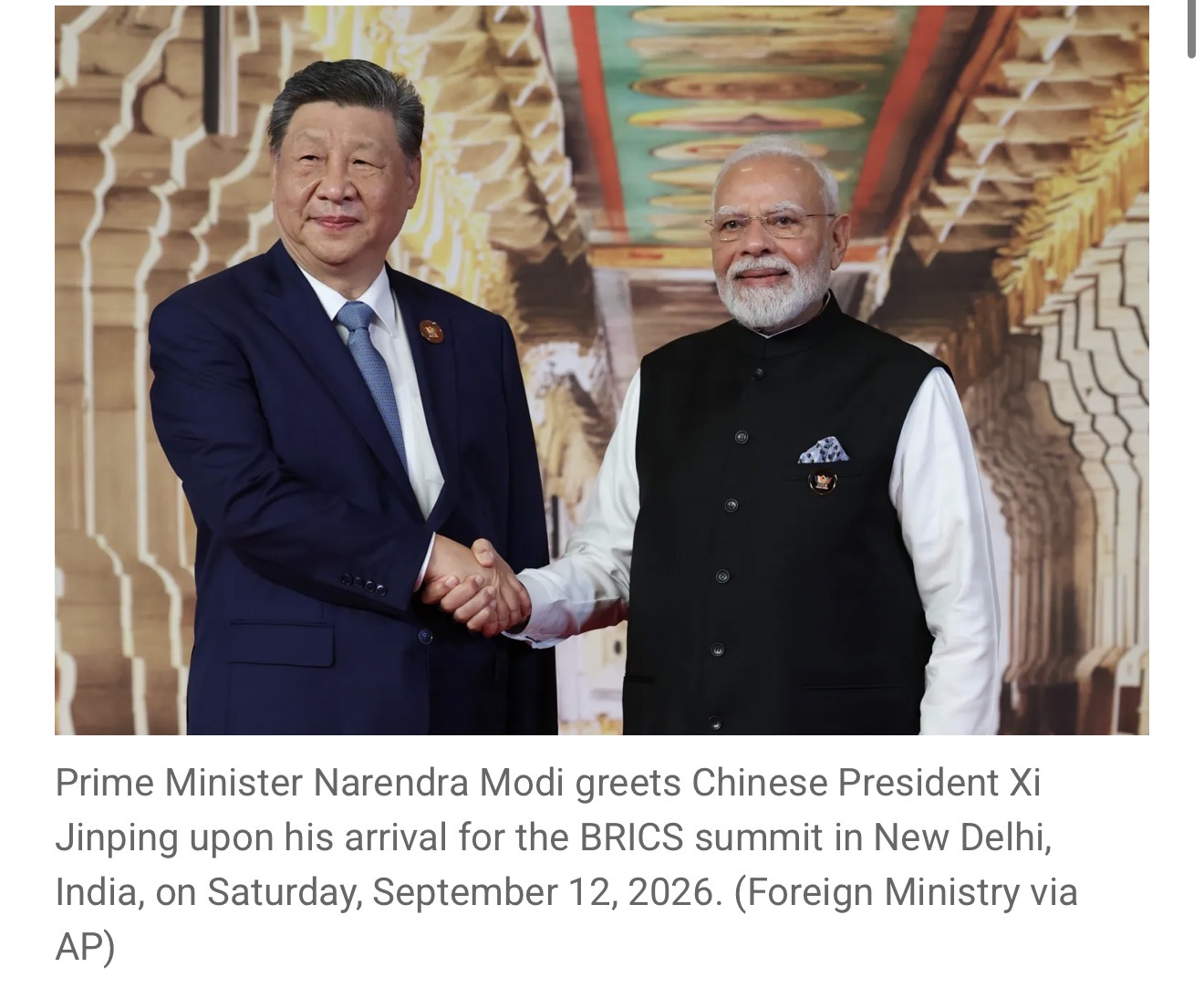
One of the most closely watched moments came away from the main summit table, when Modi met Xi on the sidelines.
The meeting took on added importance because it was Xi’s first visit to India in about seven years and came as the two Asian powers attempt to stabilise a relationship strained by their disputed Himalayan border and the deadly clashes of 2020.
Both leaders emphasised the need to prevent differences from becoming disputes and discussed expanding business links, addressing trade imbalances and maintaining peace along the border.
Modi stressed that peace and tranquillity in border areas remained important for the broader relationship, while Xi advocated a long-term strategic approach to India-China ties and greater cooperation between the two countries.
The talks do not mean that the long-running India-China disputes have disappeared. Significant disagreements remain over territory, trade, investment and regional security. But the meeting provided another indication that both governments are attempting a cautious reset.
New Delhi Declaration calls for dialogue over conflict
A central message from the summit was the need to resolve international disputes through diplomacy rather than further military escalation.
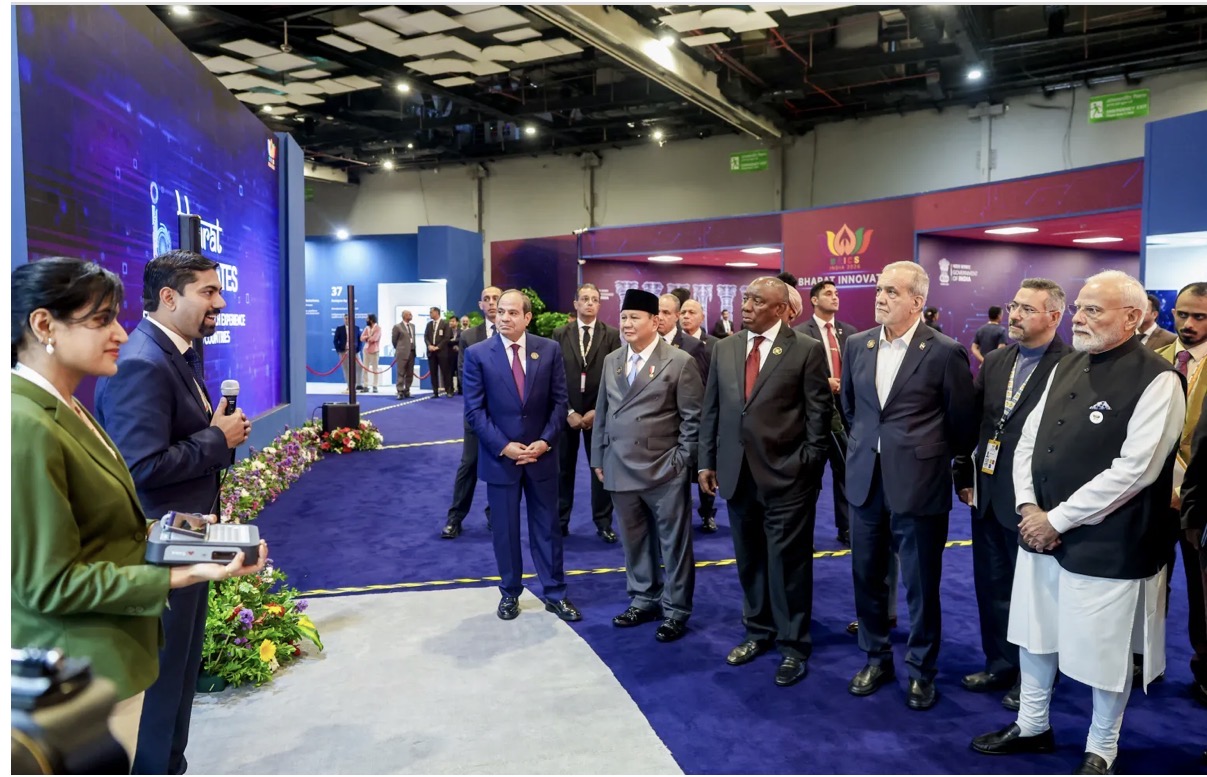
The declaration noted growing global polarisation and called for peaceful resolution of disputes through dialogue, consultation and diplomacy.
It also raised concern over increasing nuclear risks and called for renewed attention to arms control and non-proliferation.
The Middle East featured prominently.
BRICS leaders expressed deep concern over continuing escalation in the region and called for maximum restraint, protection of civilians and respect for the sovereignty and territorial integrity of states.
They also warned that continued conflict could threaten international trade, supply chains and global energy flows.
That agreement was particularly notable because Iran and the United Arab Emirates both backed the declaration despite sharp differences arising from the regional conflict.
Iranian President Masoud Pezeshkian also met Abu Dhabi Crown Prince Sheikh Khaled bin Mohamed bin Zayed Al Nahyan during the summit, marking a significant diplomatic engagement between the two sides.
Pahalgam terror attack condemned
The declaration also contained strong language on terrorism.
BRICS countries condemned terrorism in all its forms and specifically condemned the April 22, 2025 terrorist attack in Pahalgam, Jammu and Kashmir, in which 26 people were killed.
The bloc reiterated its opposition to cross-border terrorism, terrorist financing and safe havens for terrorist organisations.
It also called for those responsible for terrorist activity to be held accountable.
The inclusion of Pahalgam represented an important diplomatic outcome for India because it placed the attack formally within a declaration agreed by the wider BRICS membership.
India pushes UN Security Council reform
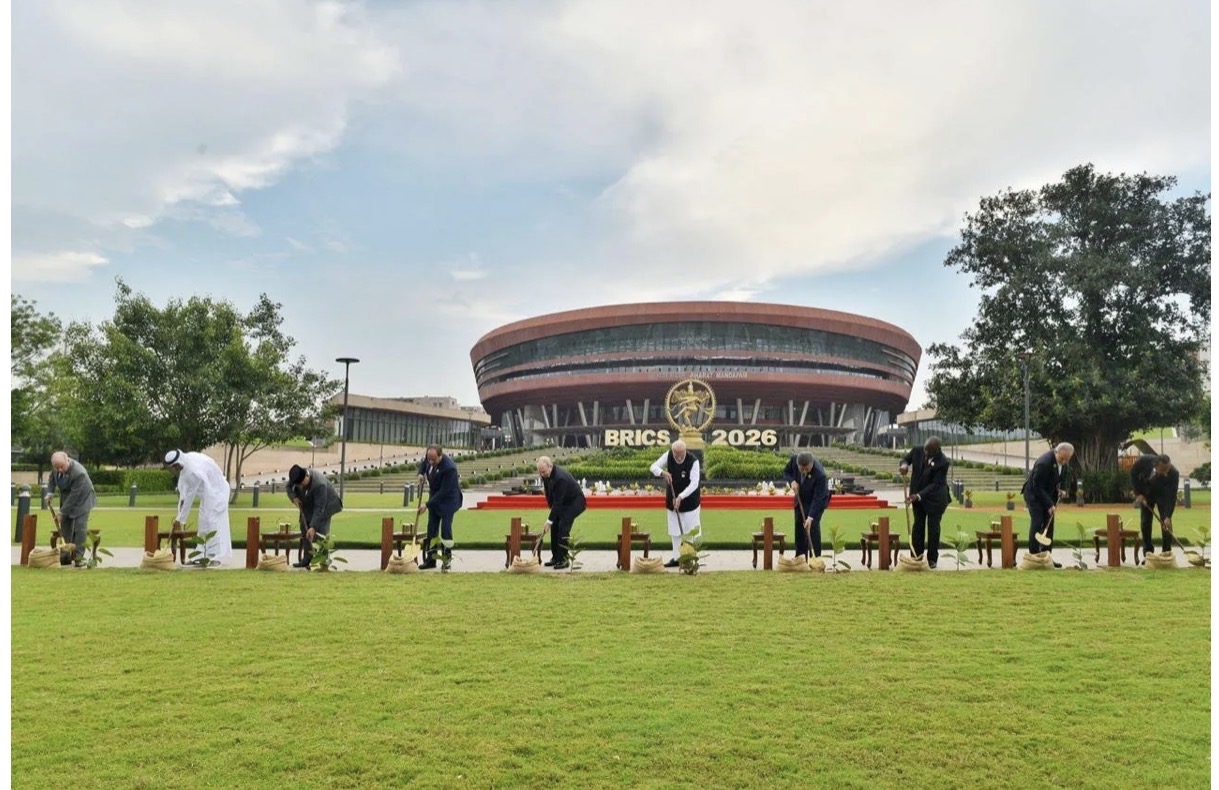
Modi also used the summit to renew India’s longstanding argument that major global institutions no longer adequately reflect today’s political and economic realities.
He argued that countries of the Global South frequently bear the consequences of international crises while remaining under-represented in the institutions making major global decisions.
The declaration backed comprehensive reform of the United Nations, including its Security Council.
It also acknowledged support for a greater international role for India and Brazil, an issue New Delhi has pursued for years as part of its campaign for reform of the UN system.
Tariffs and unilateral sanctions challenged
Trade tensions were another major theme.
The BRICS declaration expressed serious concern over unilateral tariffs, non-tariff barriers and protectionist measures that it said could disrupt international commerce and global supply chains.
It argued that trade-restrictive measures inconsistent with World Trade Organization rules risk worsening economic inequality and slowing global development.
BRICS leaders also opposed unilateral economic and secondary sanctions that are not authorised by the UN Security Council and that they regard as contrary to international law.
This position reflects a wider effort by several BRICS members to strengthen economic systems that are less vulnerable to political pressure from major Western powers.
Local currencies and cross-border payments
There was also renewed discussion about making financial transactions between BRICS economies faster and less expensive.
Rather than announcing a common BRICS currency, the summit focused on improving the use of national currencies for trade and investment and developing greater interoperability between payment systems.
Work is continuing through BRICS mechanisms to improve cross-border payments and financial messaging systems.
This distinction matters.
Despite recurring claims that BRICS is preparing an immediate alternative to the US dollar, the New Delhi discussions were considerably more practical, focusing on local-currency settlement and payment infrastructure rather than launching a single shared currency.
Artificial intelligence becomes a BRICS priority
Artificial intelligence also featured strongly in the declaration.
Members backed the development of AI systems that are safe, trustworthy and inclusive while arguing that developing countries and the Global South should have a meaningful voice in shaping international AI governance.
India has pushed several initiatives intended to build digital and technological capabilities across developing economies.
Modi argued that technologies including AI, cyberspace, biotechnology and other critical technologies are increasingly determining not only economic opportunities but also the rules governing the future global order.
Energy security remains critical
With wars and geopolitical tensions threatening international shipping and energy markets, BRICS leaders also emphasised the importance of maintaining uninterrupted energy supplies.
The declaration described energy security as a fundamental requirement for economic and social development and backed stronger protection of critical energy infrastructure.
While supporting the transition toward cleaner energy, BRICS also acknowledged that fossil fuels will continue to play an important role for many emerging and developing economies.
For countries outside BRICS, including New Zealand, disruptions to major energy routes and global supply chains can still translate into higher freight, fuel and import costs.
That makes the summit’s discussions around maritime security, energy flows and global trade economically relevant well beyond the bloc itself.
A diplomatic balancing act for India
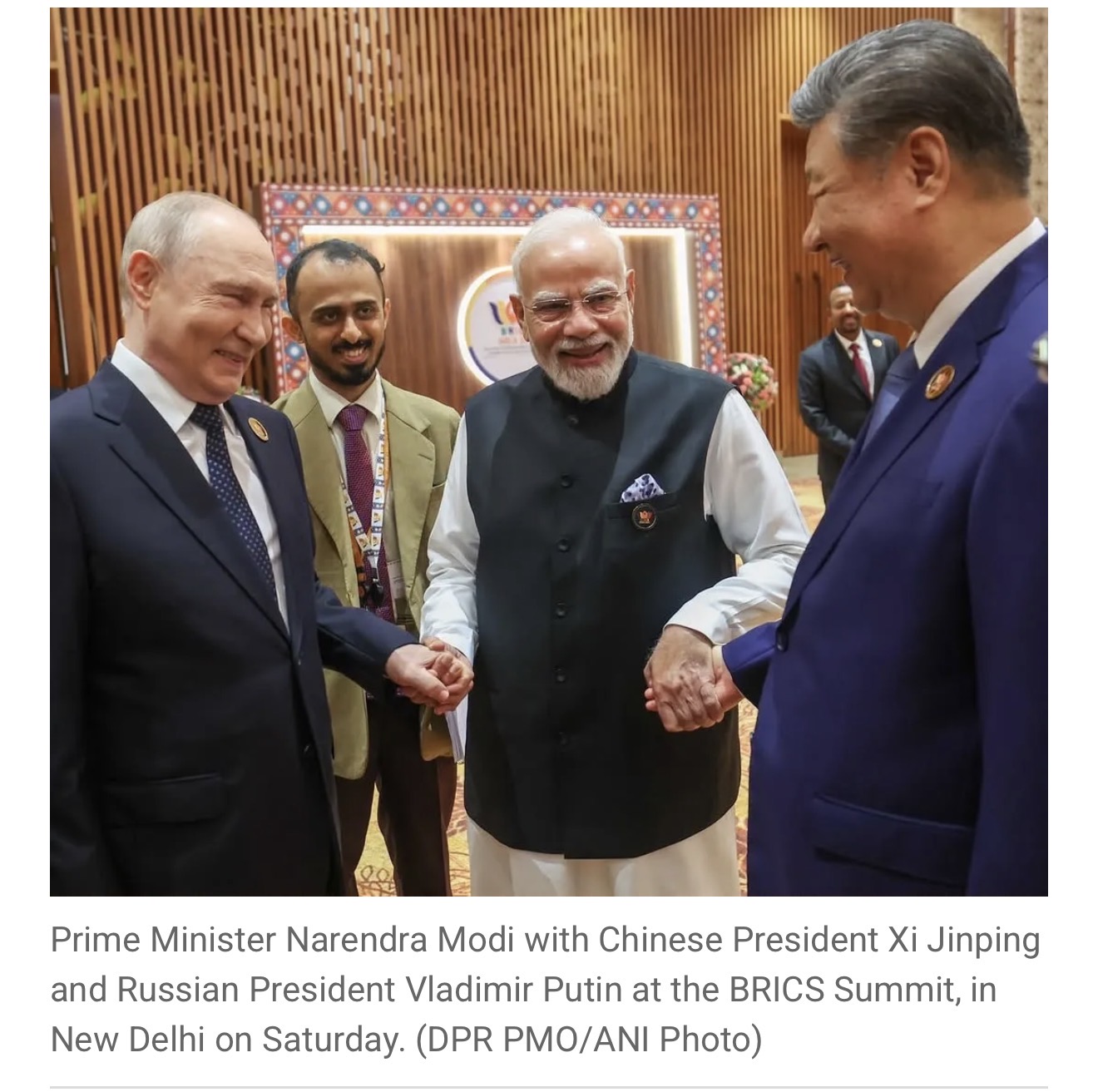
Perhaps the clearest message from Day One was India’s attempt to position itself as a bridge across increasingly divided geopolitical camps.
New Delhi maintains strategic relationships with the United States and other Western countries while continuing close relations with Russia.
It is rebuilding engagement with China, maintains longstanding relations with Iran and also has deep economic and security ties across the Gulf.
Hosting Xi, Putin, Pezeshkian and other BRICS leaders simultaneously therefore provided India with an opportunity to demonstrate what it describes as strategic autonomy.
Modi has stressed that BRICS should not be viewed simply as an organisation opposing another group of countries.
India’s approach has instead been to frame the bloc as a platform for stronger representation of emerging and developing economies.
China to host BRICS in 2027
The declaration also confirmed that China will assume the BRICS chairship in 2027 and host the 19th BRICS Summit.
India’s 2026 chairship has operated under the theme “Building for Resilience, Innovation, Cooperation and Sustainability.”
With conflicts continuing across several regions, strained global trade relations and increasing competition over technology and international institutions, the New Delhi summit is taking place at a particularly consequential moment.
What remains to be seen is whether BRICS can convert increasingly ambitious declarations into coordinated action among countries whose strategic interests often differ considerably.
For now, Day One demonstrated something important: despite those differences, members were still able to reach consensus on a broad declaration covering peace, terrorism, trade, technology and reform of the global order.