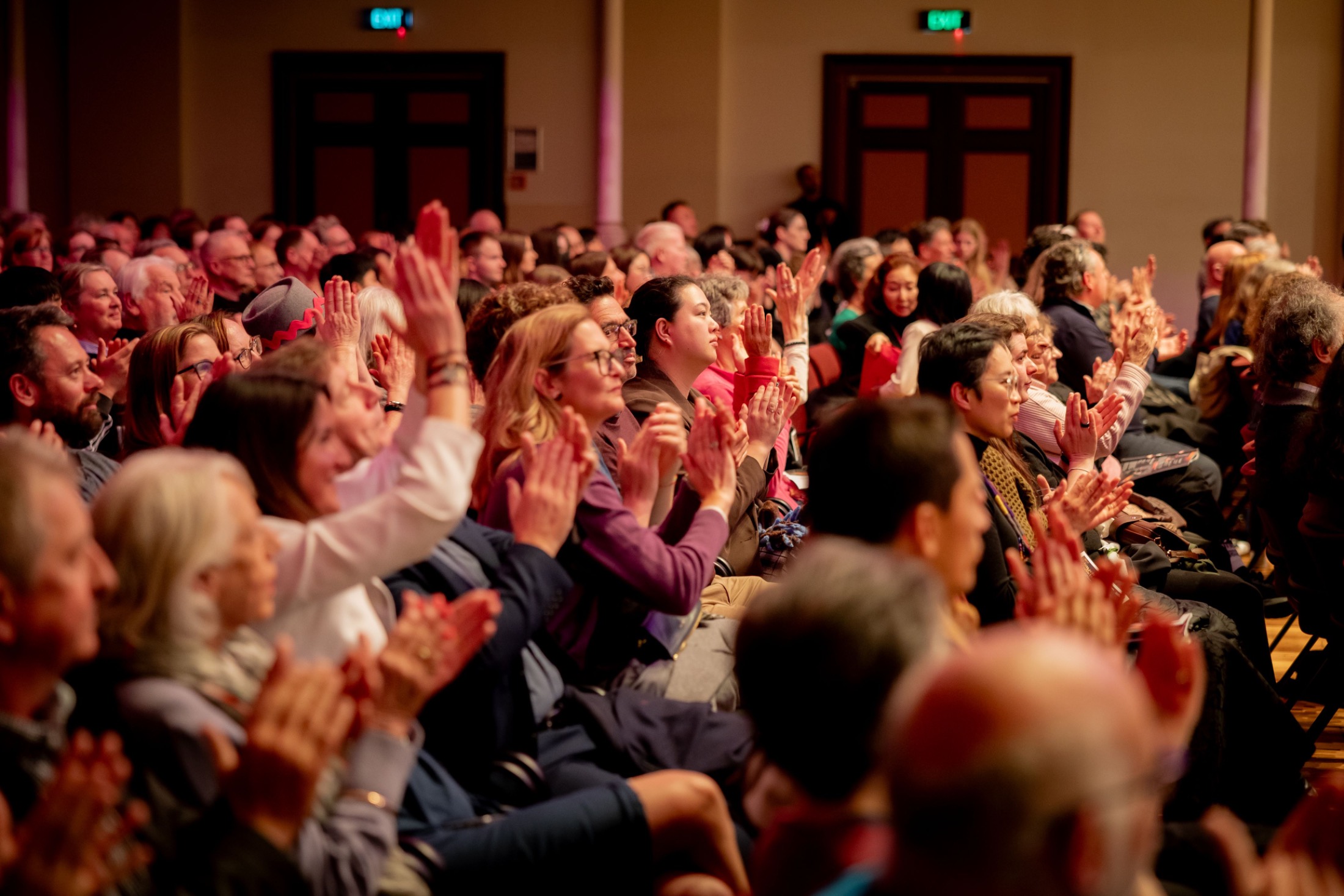
Auckland concertgoers with hearing loss are being offered a new way to experience live music, with Auracast technology now transmitting high-quality concert audio directly to compatible hearing aids, cochlear implants, earbuds and headphones at Auckland Town Hall.
Auckland, 14 September 2026: Auckland Philharmonia is helping introduce more audiences to a new audio broadcasting technology designed to make live performances more accessible for deaf and hard-of-hearing concertgoers.
Auracast has been installed at Auckland Town Hall by Auckland Live and allows compatible personal listening devices to receive an audio feed directly from the venue.
Rather than relying solely on traditional hearing-loop technology, concertgoers with compatible devices can connect to the Auracast broadcast and hear the performance through their own hearing aids, cochlear implants, earbuds or headphones.
Auckland Philharmonia formally introduced the service to its audiences during its accessible Morning Music concert on 2 September.
How does Auracast work?
Auracast is a Bluetooth-based audio broadcasting technology.
In a concert setting, it allows audio from the performance to be transmitted directly to multiple compatible listening devices at the same time.
According to Auckland Philharmonia, the technology can provide deaf, hard-of-hearing, deafblind and neurodivergent concertgoers with a clearer, more comfortable and uninterrupted listening experience.
For Auckland Philharmonia performances that are broadcast live by RNZ Concert, the system can also receive the high-quality audio feed produced for the broadcast.
Already operating at Auckland Town Hall
While Auckland Philharmonia formally introduced Auracast to its audiences this month, the technology itself has been available at Auckland Town Hall concerts since late February.
Early testing of the system was carried out during Auckland Philharmonia performances before it became more widely available.
The system was initiated and installed by Auckland Live’s Technical Production team.
Auckland Live Director Daniel Clarke said the technology was part of the organisation’s wider effort to make live performances accessible to more people.
“Live performance has the power to bring people together, and we want everyone to feel welcome and able to fully experience what happens in our venues,” Clarke said.
He said Auracast gives audiences greater choice in how they listen to and engage with performances.
Morning Music provides an accessible introduction
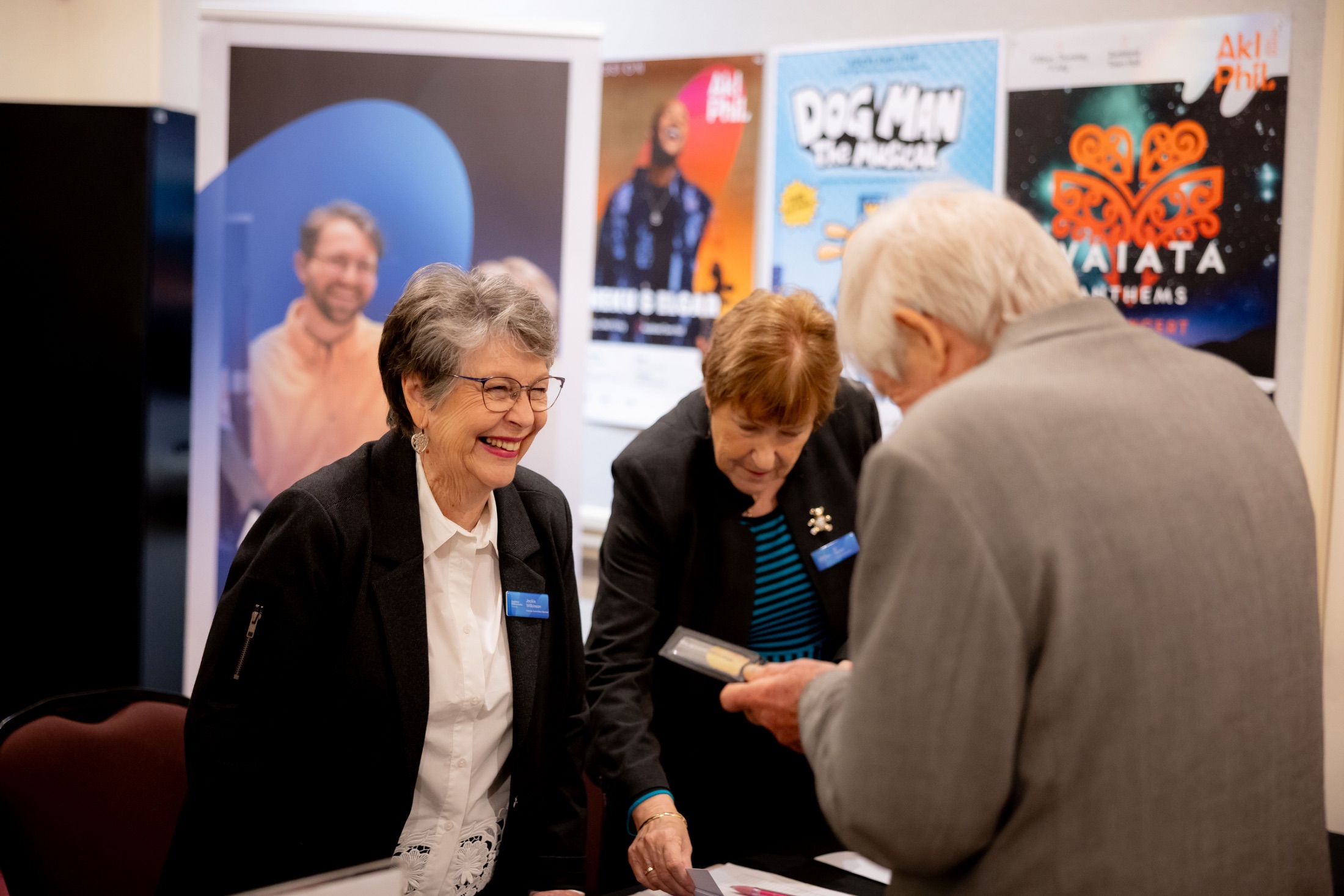
Auckland Philharmonia used its Morning Music concert on 2 September to introduce the technology to an invited audience from retirement homes, community organisations and special-interest groups.
Representatives from Resonate Health were available to explain the system and help concertgoers access it.
The Morning Music programme itself is designed for people who may find daytime and more accessible performances easier to attend.
Concerts run for approximately one hour, provide additional wheelchair seating and have extra staff available to assist people with mobility requirements.
More than hearing accessibility
Auckland Philharmonia believes the technology could eventually support much more than amplification of concert audio.
Thomas Hamill, Auckland Philharmonia’s Senior Director of Strategy & Engagement, said the organisation sees potential for services including audio description, multilingual audio streams and guided commentary.
“We are thrilled to strengthen our ability to welcome diverse communities, deepen engagement and play a part in making the Auckland Town Hall, our home, one of the most inclusive concert venues in Aotearoa,” Hamill said.
He said the technology creates opportunities to expand the ways audiences can engage with live orchestral music.
The orchestra is working with Auckland Live and its sponsor Resonate Health to help audiences understand the technology and how to use it.
Technology expanding beyond Auckland Town Hall
Auracast is not limited to Auckland Town Hall.
According to Auckland Philharmonia, it is also available at the Kiri Te Kanawa Theatre and Limelight Room at Aotea Centre.
Auckland Live intends to introduce the technology across more of its venues over time.
That could make the system increasingly relevant beyond classical music, potentially improving accessibility across a wider range of concerts, theatre performances and other live events hosted at Auckland venues.
The specific future venues and timetable for expansion have not yet been detailed.
Making Auckland’s cultural venues easier to experience
Accessibility at live performances can involve much more than simply getting into a building.
For people who are deaf or hard of hearing, the quality of the audio technology available inside a venue can significantly affect their experience.
Auracast offers another option by allowing compatible personal devices to receive the venue’s audio directly.
For Auckland Philharmonia, the initiative forms part of a broader effort to make orchestral music accessible to a more diverse audience.
The orchestra presents more than 60 performances annually, while more than 200,000 people experience its work each year through concerts, special events, recordings, livestreams and other media.
As Auracast-compatible devices become more widely available, the technology could become an increasingly important part of how Auckland’s major cultural venues approach accessibility.
For now, Auckland Town Hall concertgoers with compatible devices have another way to hear and experience the performance.
Source: Auckland Philharmonia media release, 8 September 2026. Information and comments attributed to Auckland Philharmonia and Auckland Live.