Auckland Council is preparing to take a stronger stance on large developments proposed outside planned growth areas, warning that ratepayers cannot continue carrying the infrastructure costs created by projects approved before roads, transport, services and other supporting infrastructure are ready.
Auckland, 8 September 2026: Auckland Council’s Policy, Planning and Development Committee is moving to tighten its approach to what it calls “unanticipated developments”, as pressure grows on council budgets, infrastructure and public services.
These are developments built outside Auckland’s planned growth areas, or approved before the infrastructure needed to support them is in place.
The council says the known pipeline of such development is already substantial, with an estimated 50,000 to 60,000 new dwellings potentially requiring infrastructure and services.
The estimated cost to Auckland Council is approximately $3 billion.
That figure does not include water and wastewater infrastructure, operating costs or other non-growth-related expenditure.
What does Auckland Council mean by “unanticipated development”?
Auckland Council already identifies areas where future housing growth is expected and plans infrastructure around those areas.
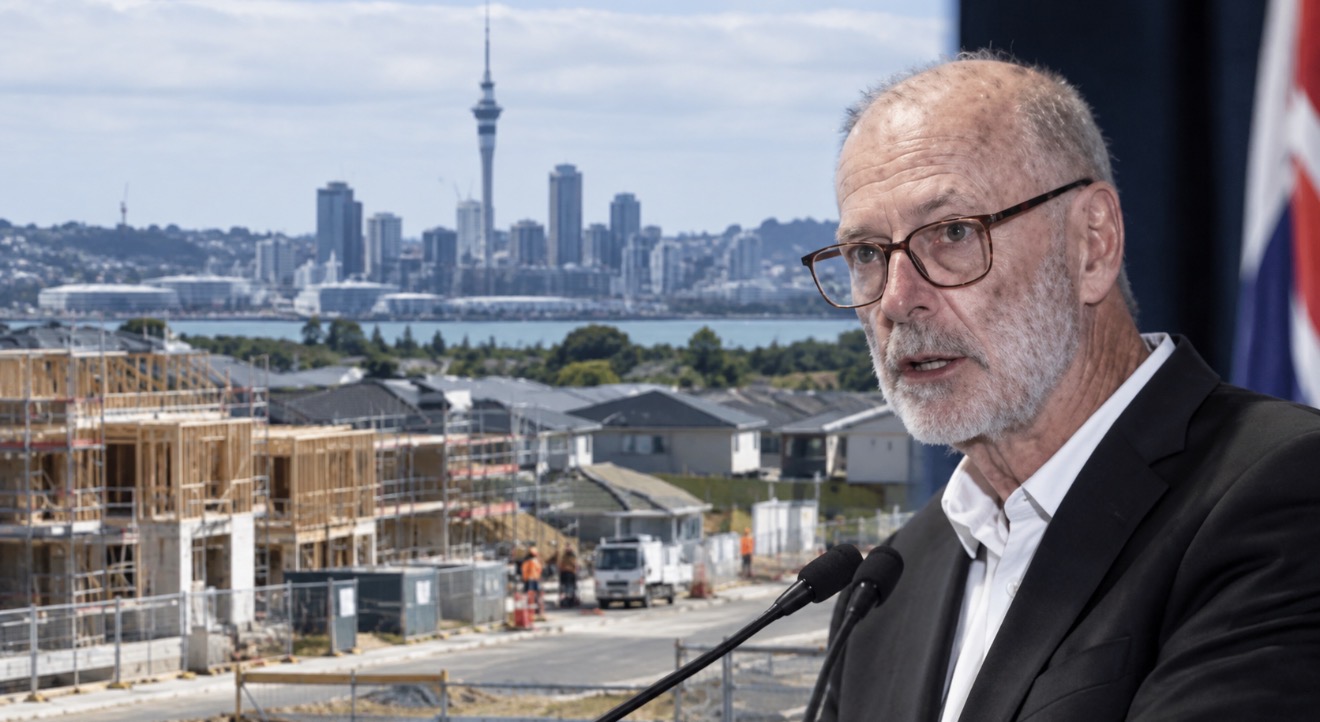
But some large developments are now being proposed outside those planned locations, or before council infrastructure has been budgeted and delivered.
The council argues that this creates a major funding problem.
When a development appears outside the existing growth programme, council may still need to provide roads, transport connections, community infrastructure and other services, despite not having included those costs in its long-term budgets.
Cr Richard Hills, Chair of Auckland Council’s Policy, Planning and Development Committee, said the council supports housing growth, but warned that unplanned development can create significant financial pressure.
“Large developments are increasingly proposed where growth isn’t planned and infrastructure isn’t in place,” Hills said.
“The council is then forced to fund the long-term infrastructure and service costs with budgets that are already tightly pinched.”
Council points to fast-track approvals
The council says the issue has become more significant as developments move through the Government’s fast-track approvals process.
Hills said the fast-track system had magnified the problem by allowing projects to progress in areas where council infrastructure planning may not yet be aligned with the proposed growth.
He also warned that proposed restrictions on rates increases could make the situation more difficult by further limiting the council’s ability to raise revenue.
According to the council, unanticipated developments can also restrict its ability to recover the full cost of infrastructure through development contributions.
Development contributions are charges paid by developers to help fund infrastructure required as a result of growth.
But if a project was not anticipated when council budgets and infrastructure programmes were prepared, the council says it may be unable to recover all of the additional costs.
Developers and future residents could face more of the cost
The council is now considering a stronger “beneficiary pays” approach.
Hills said Auckland Council is proposing that more of the cost associated with unanticipated development should be recovered from developers and potentially from future residents of those areas.
Another possibility being considered is reducing or deprioritising council services in areas where developments proceed without corresponding infrastructure funding.
“It’s increasingly important that unanticipated developments help fund the infrastructure and services that support them,” Hills said.
“We are proposing to recover more from developers and future residents of these areas or potentially reduce or deprioritise council services in these areas.”
The detail of how such an approach would work has not yet been finalised.
Council staff are expected to bring formal proposals to the Policy, Planning and Development Committee in October.
Wayne Brown: ratepayers should not carry the bill
Auckland Mayor Wayne Brown has backed the tougher position.
Brown said large greenfield developments pushed into rural areas through fast-track approvals were not an effective way to plan Auckland’s growth.
“Driving greenfield housing into rural areas through fast-track is not a smart way to plan a city,” Brown said.
“We need developers to pay for the full costs of the growth these projects create rather than loading the costs on to ratepayers.”
Brown also raised concerns about how quickly fast-track projects actually proceed once they receive approval.
“I’d be happier with fast-track if it was fast,” he said.
“There needs to be a maximum window of six months to start building and it shouldn’t be transferrable.”
Council says it still supports more housing
The council is stressing that its position is not opposition to housing development itself.
Hills said Auckland Council strongly supports development that increases housing choice, particularly in areas where transport, infrastructure and public services are already available.
The council says the Auckland Unitary Plan has already enabled significantly more housing development across the city.
It also points to Plan Change 120, which is intended to enable further housing growth within existing urban areas.
The distinction the council is making is between growth in locations where infrastructure has been planned and funded, and development that creates new financial obligations outside those plans.
“Ratepayers cannot be expected to carry the costs of developments that we have had no opportunity to budget for,” Hills said.
“Aucklanders expect us to act on this.”
Why the numbers matter
The scale of the potential development pipeline explains why the council is treating the issue as increasingly urgent.
Between 50,000 and 60,000 homes are currently associated with known unanticipated developments.
Council estimates suggest the infrastructure and services required to support those developments would cost it around $3 billion.
That works out at a significant potential cost per dwelling before water, wastewater and other excluded costs are considered.
The figure is not necessarily a bill that Auckland Council must immediately pay in full. It represents the council’s estimate of the infrastructure and service investment associated with the current pipeline.
But it highlights the financial exposure council believes it could face if development continues in areas outside existing infrastructure programmes.
Council has already appealed two fast-track decisions
Auckland Council has also confirmed it has recently appealed two separate decisions approving developments through the fast-track process.
The council did not identify those projects in the statement provided.
The appeals demonstrate that the issue has already moved beyond a policy debate and into formal challenges over individual development approvals.
Housing pressure versus infrastructure pressure
The debate creates a difficult balance for Auckland.
The city continues to face strong demand for additional housing and pressure to enable new development more quickly.
At the same time, new housing requires supporting infrastructure.
Roads, public transport, parks, community facilities and other services have to be funded somewhere.
If those costs cannot be recovered sufficiently from developers, they may ultimately fall on the wider council budget and therefore Auckland ratepayers.
The council’s emerging position is that faster housing approvals should not automatically mean the broader public pays for infrastructure that was never planned or budgeted.
What happens next?
Council staff will prepare a formal response to unanticipated development for consideration at the Policy, Planning and Development Committee meeting in October 2026.
That work is expected to examine how council can recover more infrastructure costs, how investment priorities should be set and what level of service can realistically be provided to developments outside planned growth areas.
For developers, the outcome could mean higher expectations around funding infrastructure associated with their projects.
For Auckland ratepayers, the council’s stated objective is to reduce the risk that unexpected development costs are transferred to the wider public.
And for the Government, the issue is likely to add to the broader debate over whether fast-track development can deliver housing quickly without undermining long-term city planning and infrastructure funding.
Source: Auckland Council announcement and statements from Mayor Wayne Brown and Policy, Planning and Development Committee Chair Richard Hills, reviewed by Webfit News on 8 September 2026.