Ardern became New Zealand’s prime minister in October 2017, aged 37, making her one of the world’s youngest female heads of government at the time.
Her leadership attracted international attention, particularly following the Christchurch mosque terrorist attacks in March 2019 and during the COVID-19 pandemic.
She also became one of New Zealand’s most recognisable political figures internationally.
However, her time in office was not without controversy. Her government’s handling of COVID-19 restrictions, economic pressures, housing affordability and public spending became major subjects of political debate.
In January 2023, Ardern announced she no longer had enough energy to continue in the role. Chris Hipkins subsequently became prime minister and Labour leader.
Later that year, Labour lost the general election, with National forming a coalition government alongside ACT and New Zealand First.
Ardern has since pursued work outside frontline politics, including international engagements and public speaking.
Why her involvement matters in 2026
New Zealand’s election campaign is taking place against a backdrop of continuing concern about the cost of living, employment, housing, healthcare and the country’s economic direction.
For Labour, Ardern remains closely associated with a period when the party enjoyed extraordinary electoral success.
In the 2020 general election, Labour secured 50.01% of the party vote and 65 seats, giving it an outright parliamentary majority under the mixed-member proportional system.
But that success did not carry through to 2023.
Labour’s party vote fell to approximately 26.9%, while National emerged as the largest party.
That dramatic change remains important to understanding Labour’s challenge in 2026.
Ardern’s name may still resonate with voters who remember her leadership positively. Equally, it may revive criticism among those who opposed decisions made by her government.
Her political legacy therefore remains a potential asset and liability for Labour.
Chris Hipkins faces a different political challenge
Labour leader Chris Hipkins is seeking to return his party to government after its 2023 defeat.
Unlike Ardern’s 2020 campaign, which took place during an extraordinary period shaped by the pandemic, the 2026 election is being fought largely over the economy, public services and confidence in political leadership.
Hipkins and Prime Minister Christopher Luxon faced each other in their first televised leaders’ debate on 6 October, with household costs emerging as a central issue.
For Hipkins, the challenge is to persuade voters that Labour has credible answers to today’s problems rather than relying on the popularity of a former leader.
Ardern’s involvement in the public conversation could attract attention, but it also raises a question: would renewed focus on the previous Labour government help Hipkins, or distract from the policies he is presenting for 2026?
What the previous elections tell us
New Zealand’s last three elections illustrate how dramatically political fortunes can change.
|
Election
|
Labour party vote
|
National party vote
|
|
2017
|
36.89%
|
44.45%
|
|
2020
|
50.01%
|
25.58%
|
|
2023
|
26.91%
|
38.08%
|
Historical Electoral Commission results, rounded to two decimal places.
In 2017, Ardern became prime minister despite National winning more party votes, after Labour reached a governing arrangement with New Zealand First and the Greens.
In 2020, Labour won an outright majority.
Three years later, the party suffered a substantial defeat.
These results underline an important feature of New Zealand’s MMP electoral system: the party receiving the most votes does not automatically form the government. Coalition arrangements and parliamentary support can determine the outcome.
Could Ardern influence undecided voters?
Former prime ministers can remain influential long after leaving office.
Their public statements can generate media coverage, motivate existing supporters and revive debates about their record in government.
However, political recognition does not necessarily translate into electoral support.
Some New Zealanders remember Ardern for her response to national crises and her emphasis on compassion and inclusion. Others associate her government with prolonged COVID-19 restrictions, economic pressures and policies they opposed.
That division makes it difficult to predict whether greater visibility for Ardern would help or hinder Labour.
There is also no verified evidence at this stage that her latest comments have changed voter preferences.
The bigger question: Are New Zealanders voting for the past or the future?
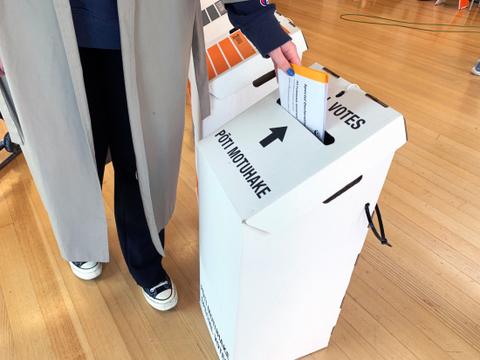
As election day approaches, voters are being asked to assess the performance of the current National-led coalition and the alternatives offered by opposition parties.
For many households, the immediate questions are practical.
Are wages keeping up with everyday expenses? Is healthcare becoming easier to access? Can young families afford housing? Are businesses confident enough to invest and employ more people?
Those concerns are likely to matter more to voters than the political profile of any former prime minister.
Ardern’s legacy will remain part of New Zealand’s political history. But the 2026 election will ultimately be decided by the parties and candidates contesting it, and by voters’ assessment of their competing plans.
Will Jacinda Ardern’s voice make a difference?
The renewed attention surrounding Ardern highlights how closely her leadership remains connected to New Zealand’s political debate.
Whether her latest appearance develops into active election campaigning, a public endorsement or simply a contribution to the national conversation remains to be established.
For now, one thing is clear: Ardern’s years in office continue to shape arguments about New Zealand’s political direction.
But the decision about who governs next belongs to voters, not former leaders.
What do you think? Should former prime ministers play an active role in election campaigns, or should they leave the spotlight to today’s political leaders?
Share your views with Webfit News.