<p>Fuel Prices Surge Across NZ as Global Oil Crisis Deepens</p>
A major attack on a key gas facility in the Middle East is now hitting New Zealand where it hurts most, at the petrol pump and in the weekly shop.
Oil prices have jumped sharply following strikes on Iran’s South Pars gas field, one of the most important energy sites in the world. At the same time, disruption in the Strait of Hormuz, a critical shipping route, has slowed the flow of oil and gas to global markets.
For New Zealand, the impact is immediate.
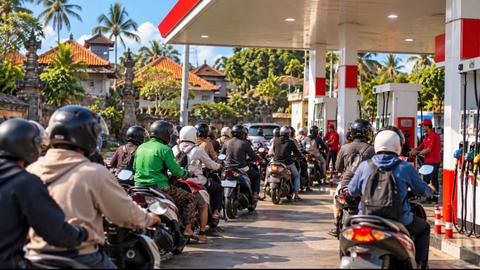
Petrol prices have pushed past $3 a litre in many areas, and economists warn they could climb much higher if the situation continues.
Why this matters for New Zealand
New Zealand no longer refines its own fuel. Since the closure of Marsden Point, the country relies entirely on imported petrol and diesel.
That means global shocks flow straight through to local prices.
Most of New Zealand’s fuel comes from refineries in Asia, which depend heavily on crude oil from the Middle East. When supply is disrupted, costs rise everywhere.
What is happening globally
Oil prices have surged more than 50% since January
Tanker traffic through the Strait of Hormuz has dropped sharply
Up to one-fifth of the global oil supply is affected
Even if the conflict eases, supply may take months to recover due to damaged infrastructure and halted production.
What it means for households
The first impact is being felt at the petrol pump.
Petrol prices have crossed $3 per litre
Prices could rise to $3.50 or higher if tensions continue
But fuel is only part of the story.
Higher energy costs flow through the entire economy.
Where costs are rising
Transport and commuting
Food and groceries
Electricity and gas
Public transport fares
For many households, that means an extra $40 to $70 a week in basic living costs.
Pressure is building in Auckland
Household Expense
2026 Increase
Driver of Increase
Estimated Weekly Impact (Average)
Transport Fuel
~20%
Global Oil Shock / South Pars
+$25.00 – $40.00
Property Rates
7.9%
CRL Costs / Infrastructure
+$6.16
Public Transport
5.1%
Annual Review / Operating Costs
+$3.50
Electricity/Gas
~10%
Domestic Gas Scarcity
+$5.00
Food/Groceries
4.5%+
Logistics / Fertilizer Costs
+$15.00 – $25.00
Auckland is feeling the squeeze more than most.
Households are already dealing with:
Rising council rates
Higher water charges
Increased transport costs
Add higher fuel prices, and the pressure on household budgets is intensifying.
Long commutes and traffic congestion make the impact worse, as drivers burn more fuel in stop-start conditions.
Businesses are also under strain
This is not just a consumer problem.
Fuel is a core cost for many industries, including:
Freight and logistics
Farming and food production
Construction
Aviation
As those costs rise, businesses pass them on. That is how higher oil prices turn into broader inflation.
Farmers and exporters face a double hit
Mechanism
Purpose
Current Status (March 2026)
Minimum Stockholding Obligation (MSO)
Requires 21-28 days of onshore cover.
Active; Importers are in compliance.
Fuel Sector Coordinating Entity (Fuel SCE)
Real-time information sharing between gov/industry.
Convened and monitoring daily.
IEA Collective Action
Global release of strategic oil reserves.
Active; 400m barrels released globally.
National Fuel Plan
Readiness and response levels (1-4).
Level 1: Monitoring / Business as usual.
Petroleum Demand Restraint Act 1981
Legal authority for fuel rationing.
Under review for potential activation.
New Zealand’s primary sector is particularly exposed.
Farmers are dealing with:
Higher diesel costs
Rising fertiliser prices
Increased shipping delays
At the same time, export routes through the Middle East are disrupted, adding delays and extra costs.
For perishable goods like meat and produce, delays can reduce quality and value.
Inflation risks are rising
Economists warn this could push inflation higher again, just as it had started to ease.
If fuel prices stay elevated:
Inflation could rise above 4%
Interest rate cuts could be delayed
Mortgage pressure could continue longer than expected
This creates a knock-on effect across the entire economy.
No shortage yet, but risks remain
Officials say New Zealand’s fuel supply remains stable for now.
The country holds several weeks of fuel reserves, and supply chains are still operating.
However, the system depends on long shipping routes and a small number of suppliers. Any further disruption could tighten supply quickly.
The bigger issue exposed
This crisis highlights a deeper problem.
New Zealand is highly exposed to global energy shocks.
No domestic refining
Declining local gas supply
Heavy reliance on imports
That leaves the economy vulnerable when global supply is disrupted.
What happens next
Much depends on how long the conflict lasts.
If tensions ease quickly, prices may stabilise.
If not, New Zealand could face:
Sustained high fuel prices
Rising cost of living
Slower economic growth
For now, the impact is already being felt in households across the country.
And unless supply improves, it is likely to get worse before it gets better.