Petrol shortages at some Bali stations are causing delays for residents and visitors. In New Zealand, the Government says supplies remain consistent as it extends a strategic reserve agreement.
By Webfit News | 14 October 2026
Petrol shortages at some Bali stations are causing delays for residents and visitors.
Petrol shortages at some Bali stations are causing delays for residents and visitors. In New Zealand, the Government says supplies remain consistent as it extends a strategic reserve agreement.
By Webfit News | 14 October 2026
New Zealanders travelling to Bali are being confronted with a practical transport concern: finding petrol and allowing for delays as queues spill onto roads around some service stations.
Bali authorities and fuel supplier Pertamina are accelerating deliveries and extending station operating hours after motorists reported visiting multiple locations and waiting hours to refuel.
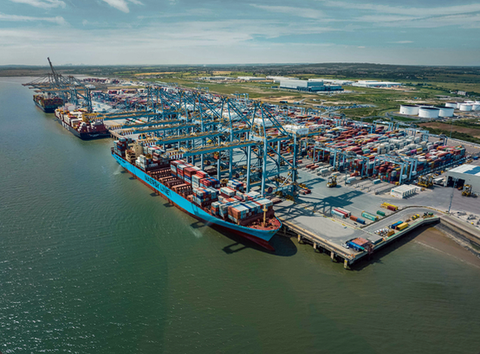
The disruption comes as New Zealand takes a separate precaution over its own fuel security. On Wednesday, the Government announced an extension to its strategic diesel reserve agreement at Marsden Point, while saying domestic fuel supplies remain consistent.
The two developments are not evidence of a shared shortage. They highlight different aspects of fuel security: maintaining reserves and ensuring fuel reaches the people who need it.
Bali motorists face empty pumps and lengthy waits
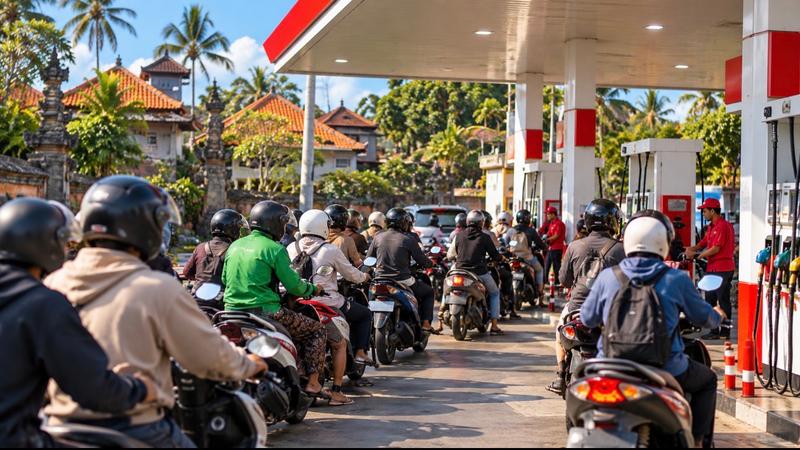
Queues have been reported across Denpasar, Badung and Tabanan, including the busy Kuta area.
Some stations have exhausted supplies of Pertalite or Pertamax, sending motorists elsewhere in search of fuel. Reporting by 7NEWS described queues extending onto surrounding roads, with some drivers spending hours trying to fill their tanks.
For residents who depend on motorcycles and cars to earn a living, the disruption means lost working time as well as delayed journeys.
Visitors using rental vehicles and private drivers may also encounter difficulties, although fuel availability varies between stations and locations.
Pertamina apologises and explains distribution problems
Pertamina President Director Simon Aloysius Mantiri apologised to Bali residents on Tuesday.
He said a technical problem involving a tanker’s anchor delayed a scheduled docking and unloading operation on Monday, 12 October. An operation planned for 6.30am was pushed back until around 10pm, according to his explanation.
Mantiri also identified increased consumption of subsidised Pertalite as another factor affecting availability.
Pertamina said those circumstances did not excuse the difficulties experienced by residents. Its response includes increasing shipments, accelerating deliveries from depots and requiring stations to display information about stock and operating hours.
These are contributing factors identified by the company, rather than proof that one delayed vessel caused every shortage reported across the island.
Round-the-clock operations introduced
Pertamina said 24-hour station operations were being introduced in Denpasar and Badung, with similar arrangements planned for Tabanan and Gianyar within one to two days.
Pertamina Patra Niaga also reported phased tanker deliveries scheduled for 12, 14 and 16 October, bringing a combined 26,200 kilolitres of fuel through the Sanggaran and Manggis terminals.
The tanker MT Klasogun, carrying Pertalite and Biosolar, docked at Benoa on Tuesday morning. Distribution through Sanggaran was being operated around the clock to speed recovery.
Bali Governor Wayan Koster said fuel was available at the main depots, but congestion and the time required for distribution were affecting deliveries to stations.
He expected supply to normalise within one to two days and urged residents not to panic-buy.
That remained a recovery estimate, not confirmation that every station had returned to normal by Wednesday.
What is happening in New Zealand?
New Zealand’s latest official announcement presents a different situation.
Finance Minister Nicola Willis and Associate Energy Minister Shane Jones announced on 14 October that an agreement covering a 550,000-barrel strategic diesel reserve would continue until 1 August 2027.
Jones said fuel supplies remained consistent. The extension was intended to strengthen resilience against potential disruption, rather than respond to an announced nationwide shortage.
The diesel is stored at Marsden Point, where refurbished tanks provide capacity for around 90 million litres, equivalent to roughly nine days of typical national diesel consumption.
That figure concerns the strategic diesel reserve. It is not a measure of New Zealand’s total petrol, diesel and aviation-fuel stocks.
Under the agreement, Z Energy owns and manages the reserve diesel, while the Crown controls its release into the domestic market.
The Ministry of Transport’s published guidance also lists New Zealand at Phase One, “Watchful”, of the fuel response framework, with no travel restrictions under that phase.
Why the distinction matters
Bali’s experience illustrates how fuel can be available in storage while individual stations still struggle to serve motorists.
New Zealand’s reserve agreement addresses a different risk by maintaining an additional diesel buffer for potential supply disruption.
Neither the Bali queues nor the extension of New Zealand’s reserve agreement establishes that Kiwi motorists face an imminent shortage.
They also should not be treated as a prediction of an immediate change in New Zealand pump prices. This reporting does not establish that Bali’s local distribution problems will increase prices here.
What Kiwi travellers should do
For New Zealanders currently in Bali or preparing to visit, the immediate concern is the reliability of local road transport.
Before a long journey, check fuel availability and road conditions with your accommodation, rental provider or driver. Allow additional time where queues are affecting surrounding streets.
If you have an airport transfer booked, confirm pickup arrangements and whether your transport provider anticipates fuel-related delays.
The reports reviewed concern road-vehicle fuel. They do not establish an aviation-fuel shortage or fuel-related flight cancellations.
Recovery remains the key test
Bali’s response will ultimately be measured by whether motorists can reliably buy fuel, rather than by tanker arrivals alone.
As of the reporting available on 14 October, additional deliveries and extended operating hours were underway, but island-wide normalisation had not been independently established.
For New Zealand readers, the immediate relevance is twofold: checking transport arrangements when visiting Bali and understanding that precautionary fuel reserves at home are different from a shortage at the pump.
Sources: ANTARA News and ANTARA Bali; detikBali; 7NEWS; New Zealand Government announcement dated 14 October 2026; Ministry of Transport fuel-response guidance.