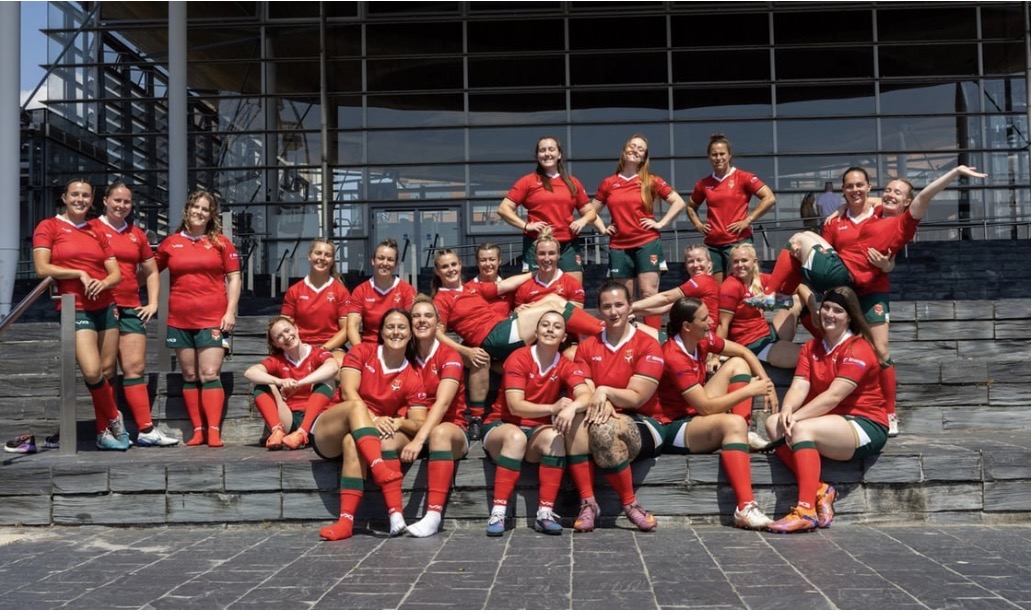
The Central Coast has locked in another significant win ahead of the 2026 Rugby League World Cup, with the Wales Women's team confirming they'll use the Central Coast Regional Sport and Recreation Complex at Tuggerah as their official training base during the tournament.
Wales now joins two other international sides that have already confirmed the region as their training home: the Australian Women's Jillaroos and the Cook Islands Men's team.
Three Teams, One Region
Having three separate World Cup teams choose the same regional facility is a genuinely strong signal about the quality of what's on offer at Tuggerah.
|
Team |
Category |
|
Australian Jillaroos |
Women's |
|
Cook Islands |
Men's |
|
Wales |
Women's |
Central Coast Mayor Lawrie McKinna said the growing list of teams reflects directly on the strength of the region's sporting infrastructure.
"This is fantastic news for the Central Coast and another strong endorsement of our outstanding sporting facilities," McKinna said.
Why This Matters for the Region
McKinna framed the announcement as more than just a sporting win, pointing to the flow-on benefits for the wider community.
"To have three Rugby League World Cup teams choosing to train on the Central Coast is something the community can be proud of," McKinna said. "It highlights the experience we can offer athletes, officials and visitors."
He was specific about the practical benefits this brings beyond prestige alone.
"Hosting the Jillaroos, Cook Islands Men's team and now, the Wales Women's team will bring visitors to our region, support local businesses and provide local rugby league fans and young players with an exciting opportunity to see some of the world's elite athletes."
About the Tournament Itself
The 2026 Rugby League World Cup will run from 15 October to 15 November 2026, spanning three host nations, Australia, New Zealand and Papua New Guinea.
The tournament format includes three standalone competitions:
- Men's
- Women's
- Wheelchair
Why Hosting a Training Base Matters
For a region competing to attract major sporting events, being selected as an official training base by multiple international teams carries real weight. It's not just about visibility during the tournament itself, having elite athletes train locally in the lead-up gives local fans, and particularly young rugby league players, a rare chance to see World Cup-calibre athletes up close, while local hospitality and tourism businesses benefit directly from teams, officials and travelling supporters based in the area for an extended period.
What This Means Going Forward
With three confirmed teams now committed to the Central Coast ahead of the tournament kicking off in October, the region is positioning itself as a genuine hub for Rugby League World Cup preparation. Whether additional teams follow suit before the tournament begins remains to be seen, but this announcement further strengthens the Central Coast's growing reputation as a destination capable of hosting elite international sport at scale.
This article is based on a media release issued by Central Coast Council.