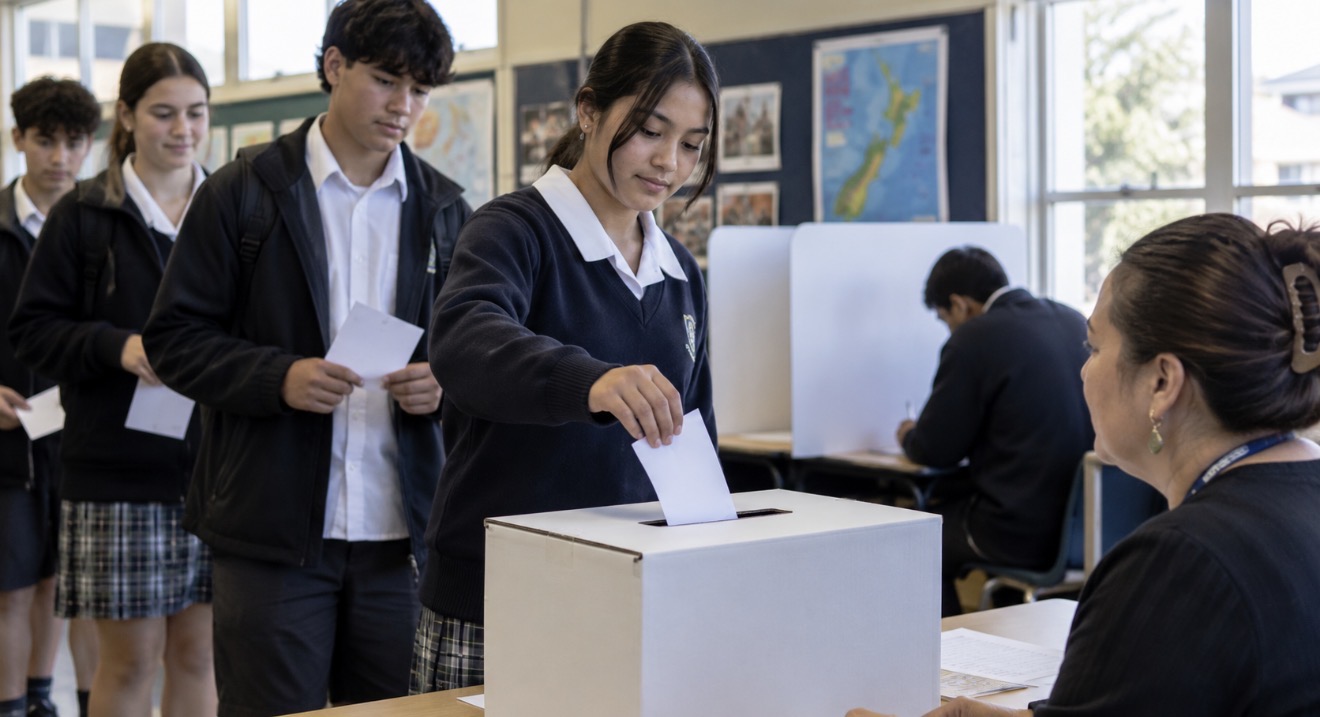
Parliament has passed the legislation needed to bring New Zealand's free trade agreement with India into effect, with MPs voting 93 to 29 in favour on Wednesday.
Trade and Investment Minister Todd McClay said the strong result reflects broad support for an agreement the Government expects to take effect before the end of the year.
Not Quite Official Yet
Passing the legislation is a major step, but it isn't the final one. Both New Zealand and India still need to complete their own ratification and operational procedures before the deal actually takes effect.
According to Indian Commerce Secretary Rajesh Agrawal, that process is moving quickly, with the agreement expected to become operational in the second half of October. A separate Indian official told news agency PTI the deal could specifically come into force from 19 October.
Where the Political Support Split
While the 93-29 result shows solid overall backing, the vote also revealed a clear political divide, particularly over the agreement's migration provisions.
Supported the Bill Opposed the Bill
National Greens
Labour New Zealand First
ACT Te Pāti Māori
New Zealand First has been the most vocal critic of the deal throughout, with leader Winston Peters arguing that migration-related provisions should never have been included in a trade agreement in the first place.
What the Migration Provisions Actually Say
The dispute centres specifically on temporary entry arrangements for workers and provisions affecting Indian students. A parliamentary select committee that examined the agreement concluded these migration commitments were "relatively narrow," and that future governments would retain considerable freedom to adjust broader immigration settings regardless of the FTA.
In concrete terms, the agreement includes:
• A dedicated pathway for up to 1,670 skilled Indian workers annually in specified occupations
• Confirmed post-study work opportunities for qualifying Indian graduates
Notably, the student provisions don't actually change existing limits, since New Zealand doesn't currently apply a numerical cap on Indian student visas in the first place.
India Pushes Back on the "Immigration" Framing
India has firmly rejected the idea that these provisions amount to immigration concessions, instead framing them as a mechanism allowing Indian businesses and professionals to make practical use of the services access negotiated under the trade deal.
That distinction was echoed during Indian Prime Minister Narendra Modi's visit to New Zealand in July, when a senior Indian official described mobility of skilled workers and immigration as "two different issues altogether."
What This Means for New Zealand Exporters
For businesses on this side of the deal, McClay said the practical benefits will kick in immediately once the agreement enters into force.
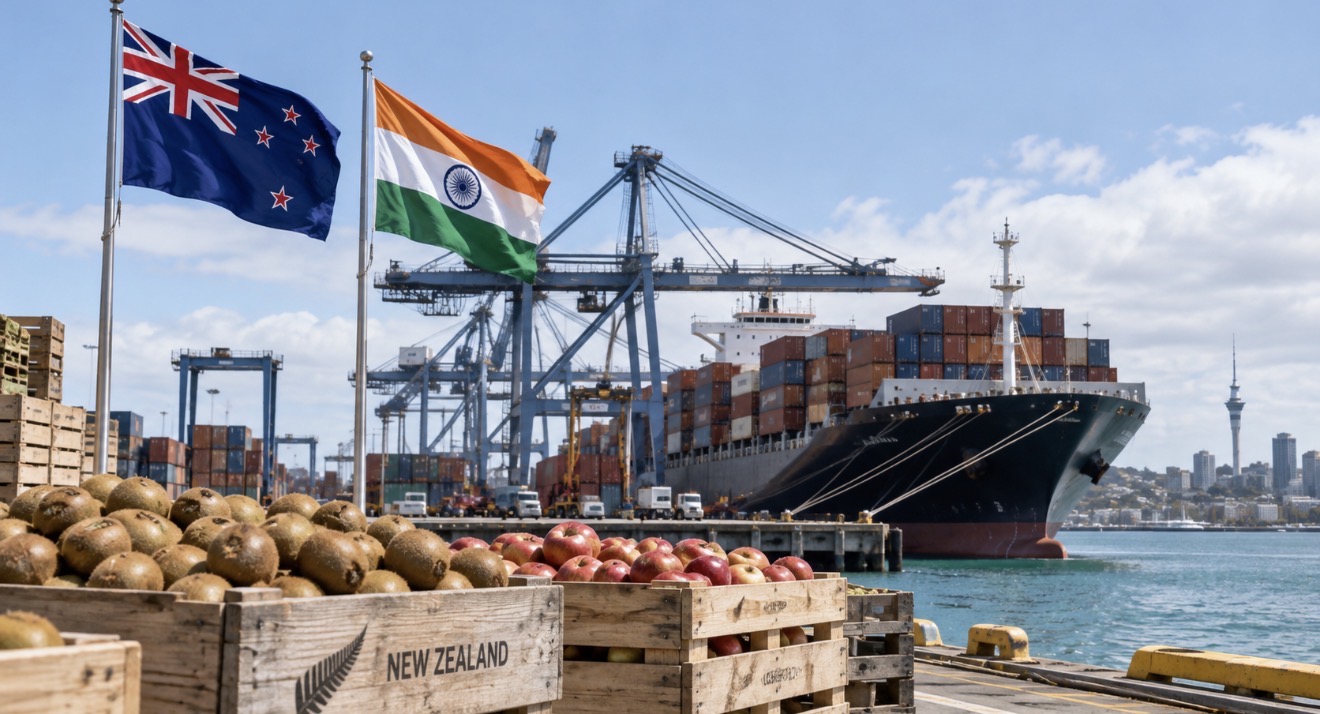
From day one, 57 percent of New Zealand's current exports to India will become duty-free. Once fully implemented, tariffs will be eliminated or significantly reduced on 95 percent of New Zealand's exports to India.
One sector stands to benefit particularly clearly.
"The kiwifruit industry alone expects to save around $125 million in tariffs over five years," McClay said.
Beyond tariffs, the agreement also includes faster border clearance and preferential access across several sectors, including food, fibre, technology, education, tourism and professional services.
A Long Road to This Point
This agreement didn't come together quickly. Negotiations had actually stalled for years before being formally restarted during Prime Minister Christopher Luxon's visit to India in March 2025. The deal was eventually signed in New Delhi on 27 April, following roughly nine months of active negotiation.
What Happens Next
With Parliament's approval now secured, the remaining steps are procedural rather than political, both governments completing their formal ratification requirements before the agreement can officially take effect.
McClay expressed confidence the process would wrap up on schedule.
"We expect this high quality agreement to enter into force this year," he said.
For New Zealand exporters and Indian businesses alike, the coming weeks will determine exactly when that becomes reality, but with both sides pointing to October as the likely timeline, the practical benefits of the agreement could be in effect within a matter of weeks.