Major advances in dementia diagnosis and treatment are creating renewed hope for people living with the condition, but Alzheimers NZ says New Zealand risks falling behind unless its health system is prepared to make new breakthroughs accessible to everyone.
AUCKLAND, 21 September 2026: New Zealand needs to prepare now for a new era in dementia diagnosis and treatment, Alzheimers NZ says, as international research points towards potentially significant advances after decades of relatively slow progress.
The call follows the release of the World Alzheimer Report 2026: A new era in dementia clinical trials by Alzheimer’s Disease International.
The report examines developments in dementia clinical research and argues that investment in clinical trials represents an investment in hope for millions of people affected by dementia around the world.
Alzheimers NZ spokesperson, neurologist and neuroscientist Dr Campbell Le Heron said there was growing optimism within the research community.
“There is genuine optimism and excitement within the Alzheimers research community,” Dr Le Heron said.
“After decades of slow progress, new diagnostic tools, treatments and other interventions have the potential to shift the dial for people living with dementia and their whānau.”
But he warned that scientific breakthroughs alone would not be enough.
“Scientific progress will mean little if our health system is not prepared to make those advances available safely, fairly and as quickly as possible.”
Dementia research entering a new phase
According to Alzheimers NZ, dementia science is progressing particularly rapidly in the United States and European markets.
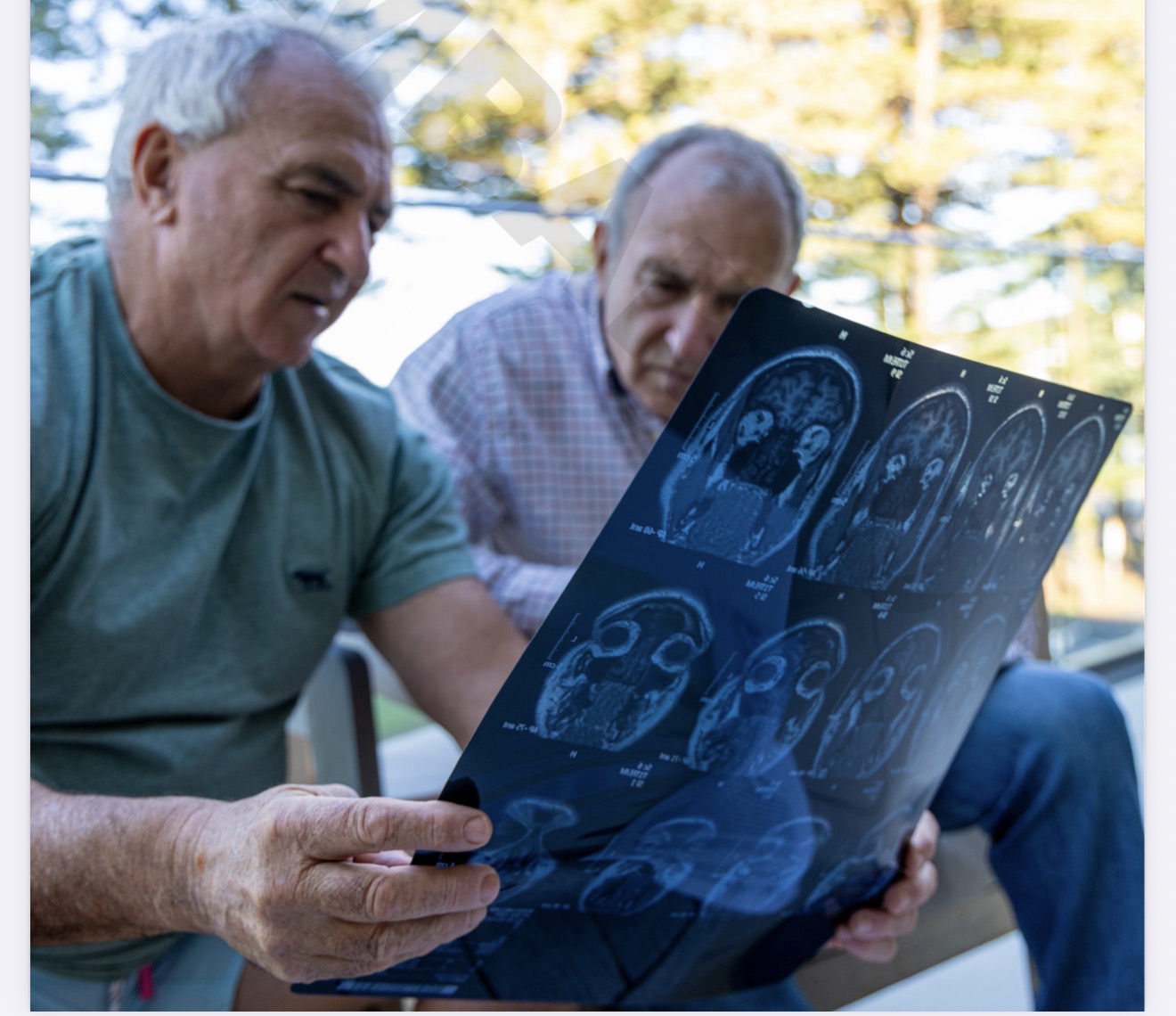
Advances in diagnostic tools, early detection, treatments and other interventions could change how dementia is identified and managed.
However, the World Alzheimer Report warns that scientific development can move faster than health systems’ ability to adopt new approaches.
The report calls on governments to strengthen diagnostic capacity, improve pathways for detecting dementia earlier, invest in research infrastructure and improve public understanding of clinical trials.
It also argues that clinical trials need to become more diverse and accessible.
That includes involving people living with dementia and their care partners in the design of research and looking beyond purely clinical measurements when determining whether an intervention is successful.
Researchers should also consider outcomes that directly affect people’s lives, including independence, everyday functioning, quality of life and the burden placed on family members and other care partners.
Earlier diagnosis must come with support
Alzheimers NZ says the international recommendations closely reflect changes it has been advocating for in New Zealand.
Dr Le Heron said the country needs stronger primary healthcare capability and better pathways towards earlier dementia diagnosis.
But detecting dementia earlier is only one part of the challenge.
“An earlier diagnosis is useful only if people and their whānau receive the information and practical support they need afterwards,” he said.
Community dementia organisations can help people understand their diagnosis, remain independent and connected to their communities and navigate health and support services.
Alzheimers NZ says those community services remain chronically underfunded.
The organisation argues that introducing more sophisticated diagnostic tools or new treatments without strengthening the support surrounding patients could leave a significant gap between scientific progress and people’s everyday experience of dementia care.
Concern over unequal access
Equity is another major concern raised by Alzheimers NZ.
New diagnostic technologies and treatments may initially require specialist knowledge, infrastructure and access to particular healthcare services.
Dr Le Heron said New Zealand must avoid creating a system where advances are easier to access for people who live close to specialist services or have greater financial resources and knowledge of the health system.
“We cannot allow these advances to become available only to people who live near specialist services or have the knowledge, money and connections needed to access them,” he said.
“Māori, Pacific peoples, rural communities and others who already face barriers to diagnosis and support must not be left further behind.”
Alzheimers NZ is calling for emerging diagnostic tools, research opportunities and treatments to be made available equitably as they become relevant to New Zealand.
Clinical trials need to reflect real communities
The World Alzheimer Report also highlights the importance of making dementia clinical trials more representative.
Historically, people participating in clinical research may not always reflect the diversity of the wider population that ultimately uses a treatment.
Greater participation from different ethnic, socioeconomic and geographic communities could help researchers better understand how treatments and interventions work across different populations.
For New Zealand, that raises questions about ensuring Māori, Pacific peoples and people living outside the country’s major centres can participate in research rather than having opportunities concentrated around specialist urban services.
It also reinforces the importance of including people living with dementia and their families when deciding what successful treatment actually looks like.
For someone living with dementia, maintaining independence, being able to continue everyday activities and reducing pressure on family members may be just as meaningful as changes measured through a clinical test.
Call to implement Dementia Mate Wareware Action Plan
Alzheimers NZ says preparing for future advances will require more than investment in medical technology.
The organisation is again calling on the Government to fund and implement the Dementia Mate Wareware Action Plan and provide appropriate funding for community-based dementia services.
Its argument is that diagnosis, medical treatment, research and ongoing community support need to operate as parts of the same system.
Without that infrastructure, advances emerging internationally may be difficult to translate into meaningful improvements for New Zealand families.
Dr Le Heron said the latest international research nevertheless provides genuine reason for optimism.
“The research gives us genuine cause for hope,” he said.
“The challenge now is to build and make available the diagnostic, research, treatments and community-support systems needed to ensure every New Zealander can benefit.”
Hope now comes with a preparedness challenge
For people living with dementia and their whānau, the acceleration of international research represents an important change after years in which treatment options have remained limited.
But the message from Alzheimers NZ is that New Zealand cannot simply wait for the next generation of diagnostic tools and treatments to arrive.
Earlier diagnosis will require accessible pathways into healthcare. New treatments may require specialist infrastructure and appropriately trained clinicians. Clinical trials will need participants from communities across New Zealand. And people receiving a diagnosis will continue to need practical support long after leaving a doctor’s office.
The scientific outlook around dementia may be changing.
The challenge for New Zealand, according to Alzheimers NZ, is ensuring the country’s health, research and community-support systems are ready when those advances reach its shores.
Source: Alzheimers NZ media release, 21 September 2026, referencing Alzheimer’s Disease International’s World Alzheimer Report 2026. Reporting and presentation by Webfit News.