
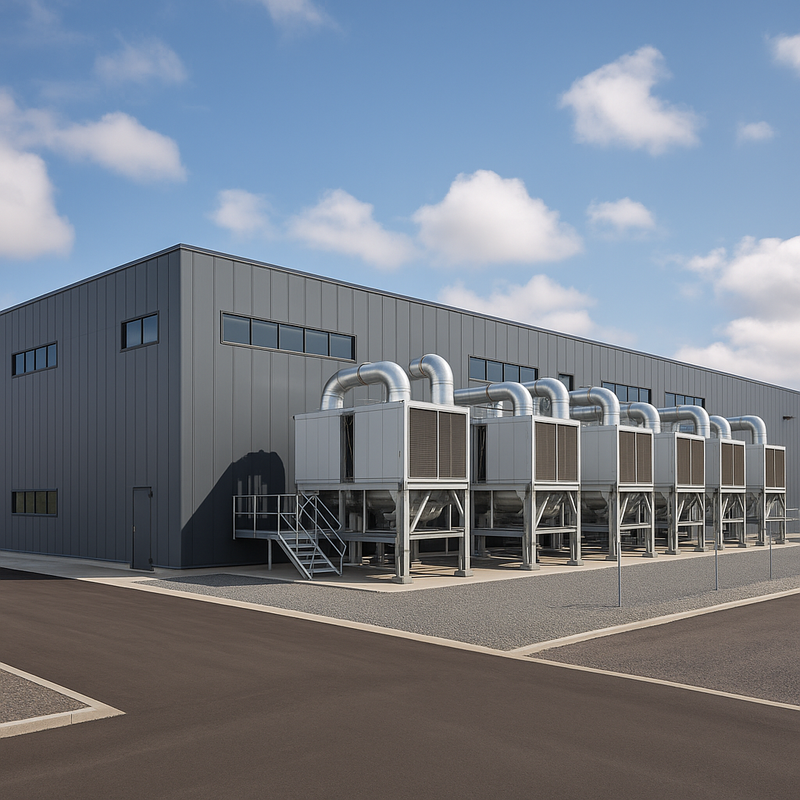
The rapid expansion of data centres is placing growing pressure on electricity systems, especially in countries like the United States, where artificial intelligence, cloud computing, and digital services are expanding at scale. While data centres can be built in less than a year, the power plants and grid upgrades needed to supply them often take several years. This timing mismatch has created a difficult question for regulators and consumers. Who should pay for the cost of building new electricity infrastructure?
Why Data Centres Are Different
Large industrial users are not new to electricity systems. Factories, refineries, and mills have long consumed huge amounts of power. In the past, their construction timelines aligned closely with new power generation projects. Utilities could plan, build new plants, and recover costs once those customers began operating.
Data centres break that pattern. Many modern data centres can be completed within nine to twelve months. By contrast, building a gas-fired power station or a large renewable project with battery storage can take two to four years. Utilities must decide whether to invest in new capacity before knowing for certain how much electricity will actually be needed.