Webfit News | 28 September 2026
Christopher Luxon has launched National’s election campaign with 10 commitments spanning jobs, family finances, healthcare and public services.
Beyond the promises themselves, the launch offers a clearer picture of the issues National wants voters to focus on and the questions its policies will face before election day.
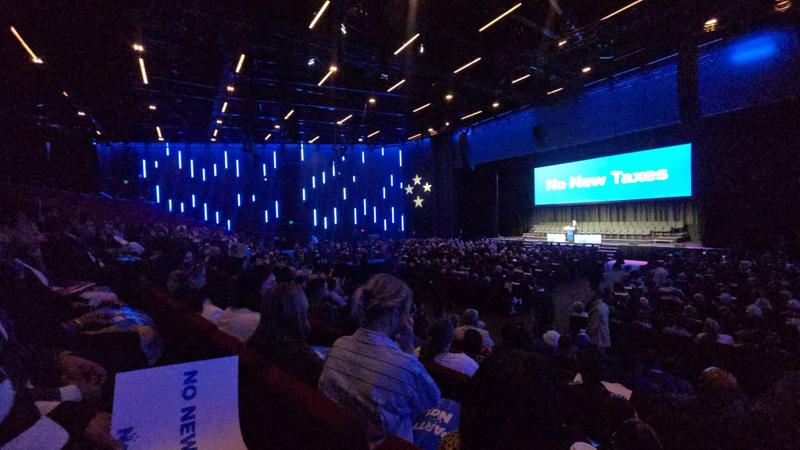
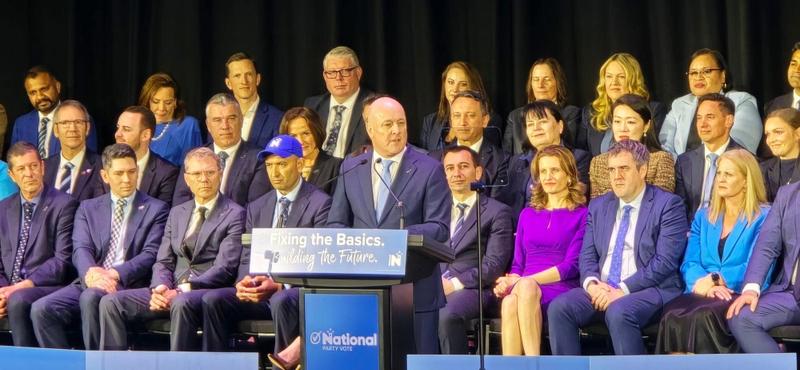
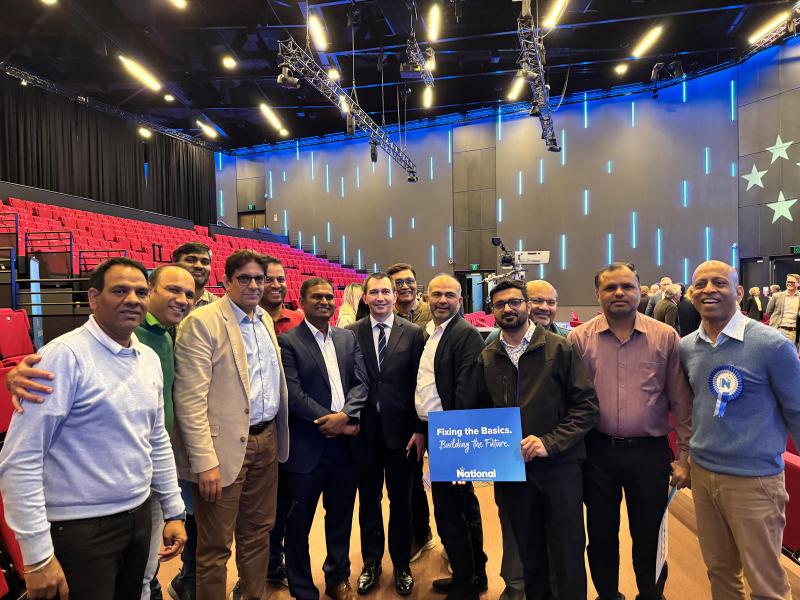
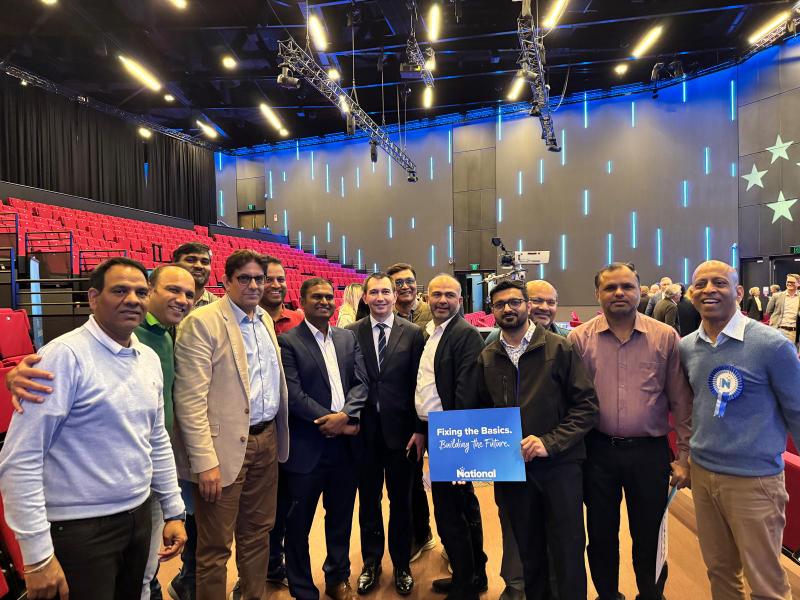
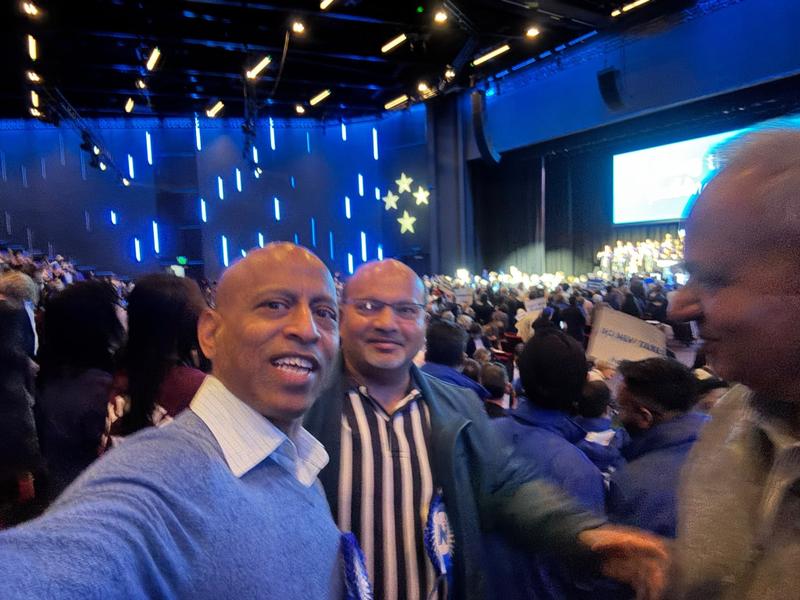
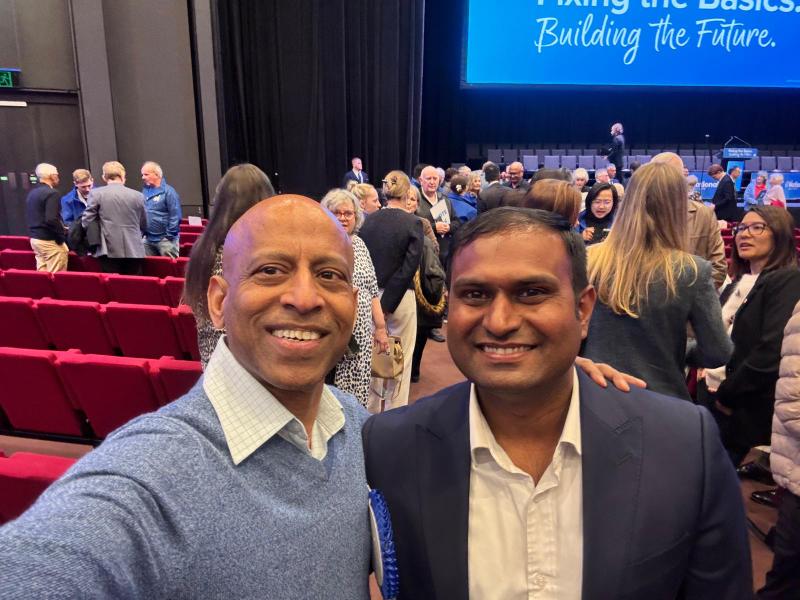
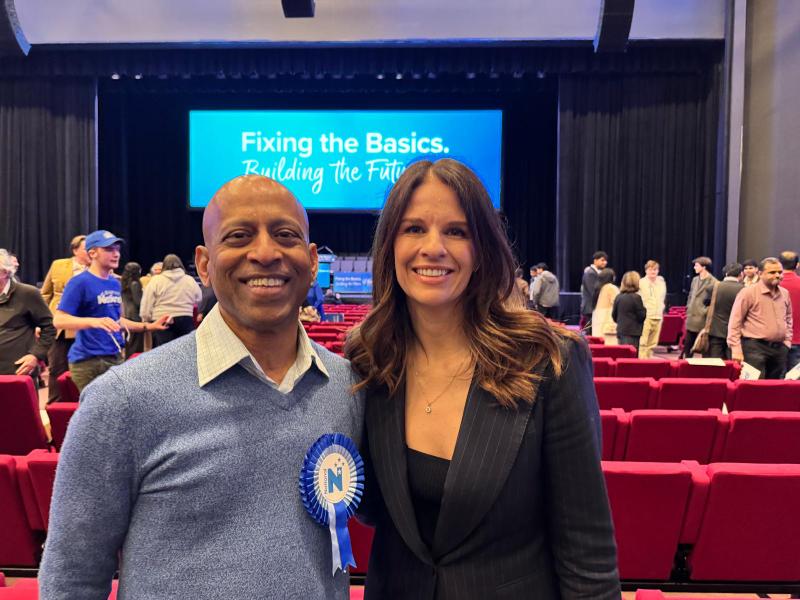
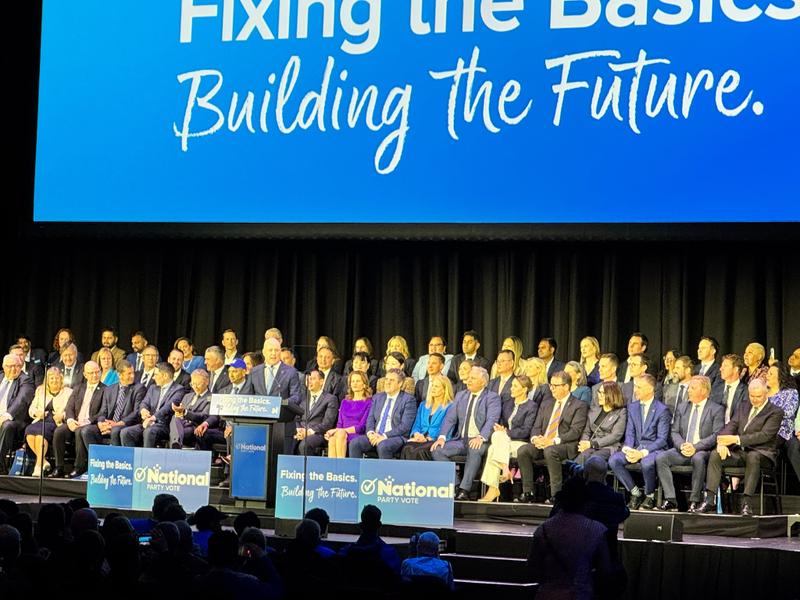
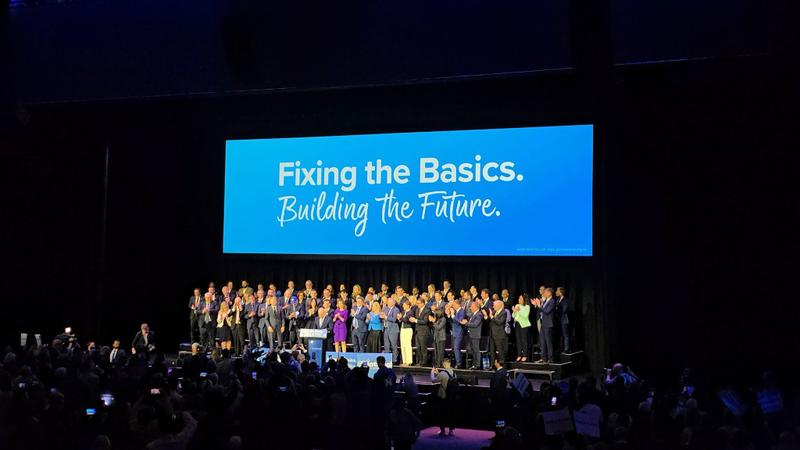
National’s campaign launch in Auckland on Sunday, 27 September, was built around a straightforward message: the party wants another term to continue its economic and public service programme.
Speaking at the New Zealand International Convention Centre, Luxon unveiled a 10-point pledge card covering economic growth, taxation, KiwiSaver, paid parental leave, education, crime, healthcare, infrastructure, supermarket competition and a return to fiscal surplus.
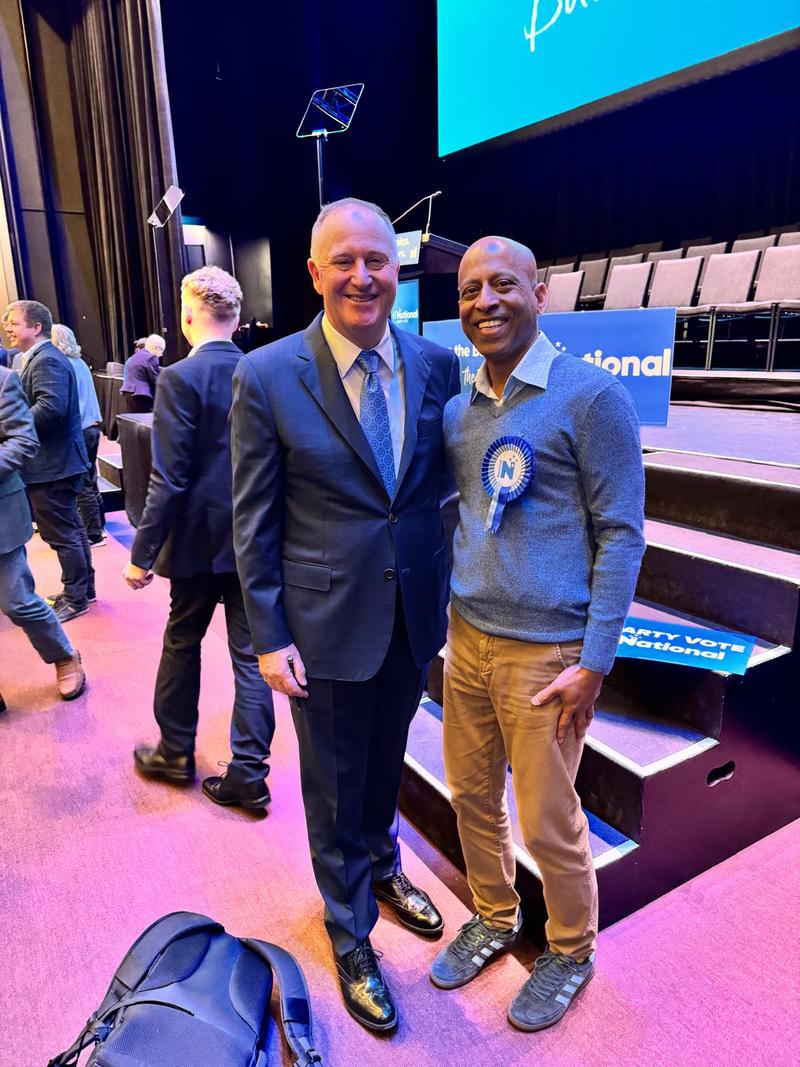
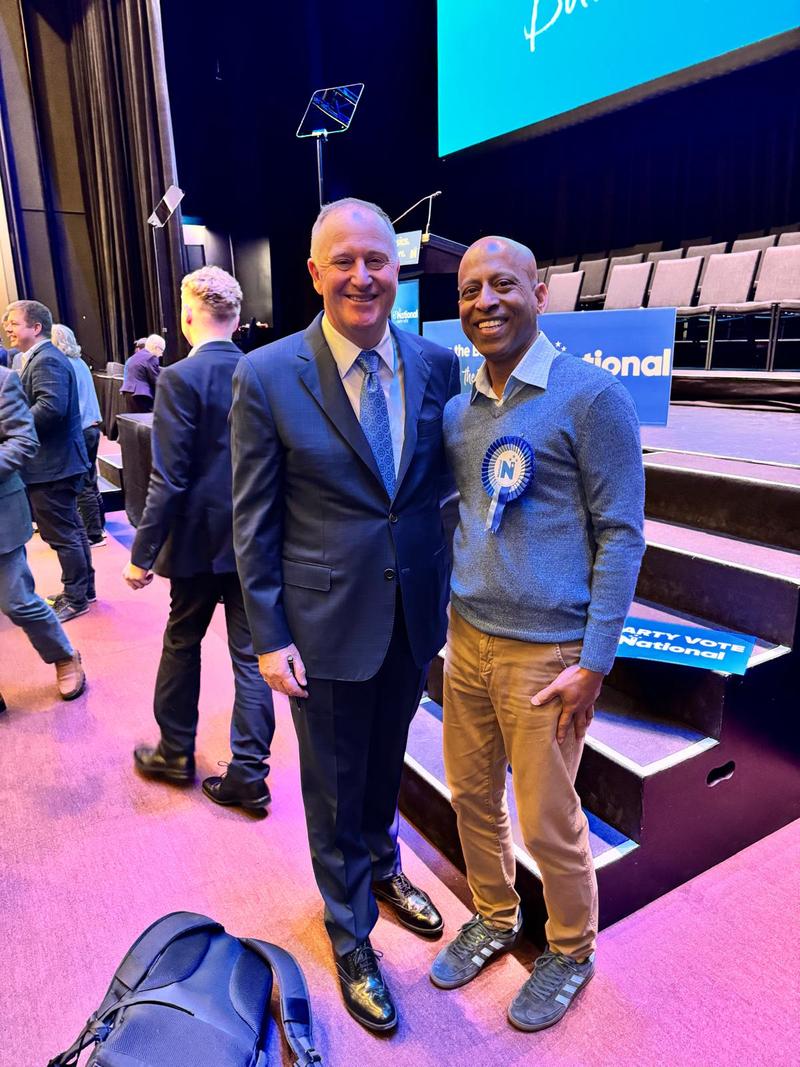
Former Prime Minister Sir John Key, Deputy Leader Nicola Willis and other senior National figures attended the event.
The launch brought several policy areas into focus, particularly household finances, retirement savings, support for young families and the cost of everyday essentials.
1. National's 10 campaign commitments
The pledge card sets out the areas National intends to prioritise if returned to government.
Policy area | National's commitment |
|---|---|
Economy | Support growth, employment and higher wages |
Taxation | No new taxes |
KiwiSaver | Make KiwiSaver compulsory and increase contributions |
Families | Extend paid parental leave and introduce a Baby Boost |
Education | Replace NCEA and strengthen core learning |
Crime | Tougher consequences for offending and more police patrols |
Healthcare | Faster healthcare and improved access to medicines |
Infrastructure | Invest in roads, classrooms and hospitals |
Supermarkets | Pursue stronger competition, including separation of major grocery brands |
Government finances | Return to fiscal surplus |
These are campaign commitments. Their eventual costs, implementation and outcomes will depend on the detailed policies and decisions of the next government.
2. Economic recovery versus household finances
National's central economic argument is that growth will support employment, higher wages and improved public services.
Luxon highlighted two figures during the campaign launch:
2.6%: Reported economic growth in the year to June 2026.
220,000: Additional jobs forecast over four years, according to National's campaign case.
The jobs figure is a forecast, not a result already delivered.
The distinction between economic growth and household finances is central to understanding the campaign.
National's economic message | Questions for households |
|---|---|
The economy is recovering | Are wages keeping pace with expenses? |
Employment is expected to grow | Are secure jobs available? |
Growth will support public services | Will healthcare and education access improve? |
Inflation pressures are easing | Are groceries, housing and transport becoming more affordable? |
The Reserve Bank has warned that the recovery still faces risks, including inflation pressure from global oil prices.
A recent Ipsos Issues Monitor also identified the cost of living, healthcare, the economy, unemployment and housing among New Zealanders' leading concerns.
These issues provide context for National's decision to place household finances alongside broader economic growth in its campaign.
3. Compulsory KiwiSaver and the $1,500 Baby Boost
National is proposing changes to retirement savings, including compulsory KiwiSaver contributions and financial support for newborn children.
Key proposals:
$1,500 Baby Boost payment into KiwiSaver for newborn children.
Proposed automatic enrolment at birth from 1 July 2027.
Higher compulsory KiwiSaver contributions.
Continued KiwiSaver support for parents receiving paid parental leave.
What it could mean for New Zealanders:
Group | Potential impact |
|---|---|
Children | An early retirement savings balance that can grow over time |
Employees | Higher contributions could improve retirement savings but reduce current take-home pay |
Employers | Contribution changes could affect employment costs |
Parents | Continued contributions could reduce gaps in retirement savings during parental leave |
The central policy question is how compulsory saving would balance long-term financial security against immediate household expenses.
4. Paid parental leave: Four additional weeks
National has promised to extend paid parental leave and provide greater flexibility for parents.
Current entitlement | National's proposal |
|---|---|
26 weeks | 30 weeks |
The proposal represents an additional four weeks of paid parental leave.
The proposed changes also include continued KiwiSaver contributions while eligible parents are receiving paid parental leave.
However, several practical questions remain:
How would eligibility and payment settings operate?
How would greater flexibility for mothers and fathers work?
What support would be available when paid leave ends?
How would the changes interact with childcare affordability?
Longer paid leave could provide additional time and financial support after childbirth. Its wider impact would depend on the final policy design.
5. Student loans: National and Labour propose different approaches
Student loan policy is emerging as another election issue.
National proposes reducing repayments for eligible borrowers who remain in New Zealand, while Labour has proposed forgiving 10 per cent of eligible student loan debt.
Policy feature | National | Labour |
|---|---|---|
Proposed change | Reduce student loan repayments | Forgive 10% of eligible debt |
Immediate effect | Could increase take-home pay | Reduces the outstanding loan balance |
Longer-term effect | Loan may take longer to repay | Could shorten the repayment period |
Main distinction | Changes repayment cash flow | Changes the amount owed |
National also proposes stronger action against overseas borrowers who fail to meet their repayment obligations.
The practical effects of both parties' proposals will depend on eligibility rules and implementation details.
For graduates, the relevant considerations include immediate disposable income, total debt and the time required to complete repayments.
6. Supermarket competition: Could New World and PAK'nSAVE be separated?
National's supermarket proposal is among the more specific structural changes included in its campaign programme.
The party proposes pursuing the separation of New World and PAK'nSAVE, which currently operate within the Foodstuffs structure. Its stated objective is to increase competition between the brands.
Proposed change | Question requiring examination |
|---|---|
Separate the supermarket brands | Would they operate independently? |
Increase competition | Would pricing and promotional strategies change? |
Improve consumer choice | Would shoppers gain meaningful alternatives? |
Restructure existing arrangements | What would implementation involve? |
The proposal does not establish that grocery prices would fall.
Any restructuring would require further consideration of ownership, purchasing arrangements, supply chains and the competitive behaviour of the resulting businesses.
For consumers, the measurable outcomes would include prices, product availability, store access and promotional offers.
7. First-home buyers: Expanding access to 5% deposits
National is proposing wider access to the First Home Loan scheme, allowing more eligible buyers to purchase with a deposit of 5 per cent.
For illustration, consider a property costing $700,000.
Deposit requirement | Deposit needed | Mortgage required |
|---|---|---|
20% deposit | $140,000 | $560,000 |
5% deposit | $35,000 | $665,000 |
Difference | $105,000 less upfront | $105,000 more borrowing |
Illustrative figures only. Excludes fees, insurance, interest and other purchasing costs.
A smaller deposit could help eligible buyers enter the market sooner.
However, the resulting mortgage would be larger. Affordability would still depend on household income, interest rates, lending criteria and property prices.
The policy therefore addresses the upfront deposit barrier, rather than necessarily reducing the ongoing cost of homeownership.
8. India-New Zealand trade agreement: An economic milestone
Luxon highlighted the India-New Zealand Free Trade Agreement as an achievement of National's first term.
The agreement is scheduled to enter into force on 20 October 2026, ahead of the 7 November election.
Key figures:
57% of New Zealand's current exports to India are expected to become tariff-free immediately.
Other exports will receive tariff reductions or preferential market access.
The agreement also includes provisions covering services and professional mobility.
Potential opportunities by sector:
Sector | Potential relevance |
|---|---|
Agriculture | Improved access for selected products |
Forestry and wool | Reduced tariff barriers |
Food exports | Preferential access for selected products |
Services | Additional opportunities for cross-border business |
Professional mobility | Changes affecting eligible students and workers |
For New Zealand's Indian community, the agreement may create opportunities through existing business, professional and family connections.
However, tariff reductions do not automatically translate into higher sales or lower retail prices.
Businesses must still identify customers, meet regulatory requirements and establish commercially viable supply arrangements.
9. Education, healthcare, crime and infrastructure
National's remaining commitments cover major public services.
Area | National's proposal | Measurable outcomes |
|---|---|---|
Education | Replace NCEA, introduce regular assessment and strengthen core subjects | Student achievement, attendance and qualifications |
Healthcare | Faster treatment and improved medicine access | Waiting times and treatment availability |
Crime | Tougher consequences and more police patrols | Recorded crime, victimisation and public safety |
Infrastructure | Roads of National Significance, classrooms and hospitals | Project delivery, capacity and public access |
These commitments combine proposed reforms with the continuation of existing government programmes.
The distinction between announcements, implementation and measurable results will be relevant when assessing progress.
For example, additional healthcare investment does not necessarily establish that waiting times have fallen. Similarly, increased police patrols and recorded crime outcomes measure different aspects of public safety.
10. The fiscal update: Can the commitments be funded?
Finance Minister Nicola Willis indicated at the launch that the Government's pre-election economic and fiscal update, scheduled for Tuesday, 29 September, would show progress on deficits, debt and the fiscal outlook.
The update is relevant because National's campaign combines several financial commitments.
Four key fiscal questions:
How much would the proposed policies cost?
Which commitments require additional public spending?
What savings or revenue would fund them?
How would the Government return to surplus while maintaining its no-new-taxes commitment?
The fiscal update will provide information about the Government's financial projections.
It will not, by itself, establish the full cost of every election promise. Detailed policy costings will still be needed.
11. What the campaign launch reveals
National's launch brought together several policy themes.
Campaign theme | Policies associated with it |
|---|---|
Economic growth | Jobs, wages, trade and infrastructure |
Household finances | Taxation, student loans and home deposits |
Long-term savings | Compulsory KiwiSaver and Baby Boost |
Family support | Paid parental leave |
Cost of living | Supermarket competition |
Public services | Education, healthcare and policing |
Fiscal management | Debt, spending and return to surplus |
The launch also highlighted a contested assessment of New Zealand's economic conditions.
National argues that its programme is producing an economic recovery. The New Zealand Council of Trade Unions has challenged the Government's record on employment and workers' living standards.
These competing perspectives draw attention to different measures of economic performance, including national growth, employment, wages and household purchasing power.
12. What happens next?
The campaign will provide further opportunities to examine the commitments announced on Sunday.
Three developments are particularly relevant:
Date | Upcoming development |
|---|---|
29 September 2026 | Pre-election economic and fiscal update scheduled for release |
20 October 2026 | India-New Zealand Free Trade Agreement scheduled to enter into force |
7 November 2026 | New Zealand general election |
National has now identified the 10 commitments it wants associated with another term in government.
The next stage will involve examining their costs, eligibility rules, implementation timetables and expected effects, alongside the alternative programmes presented by other parties.
For voters, those details will provide a more complete basis for assessing the proposals than the pledge card alone.
Webfit News will continue examining the policies, announcements and developments shaping New Zealand's 2026 general election.