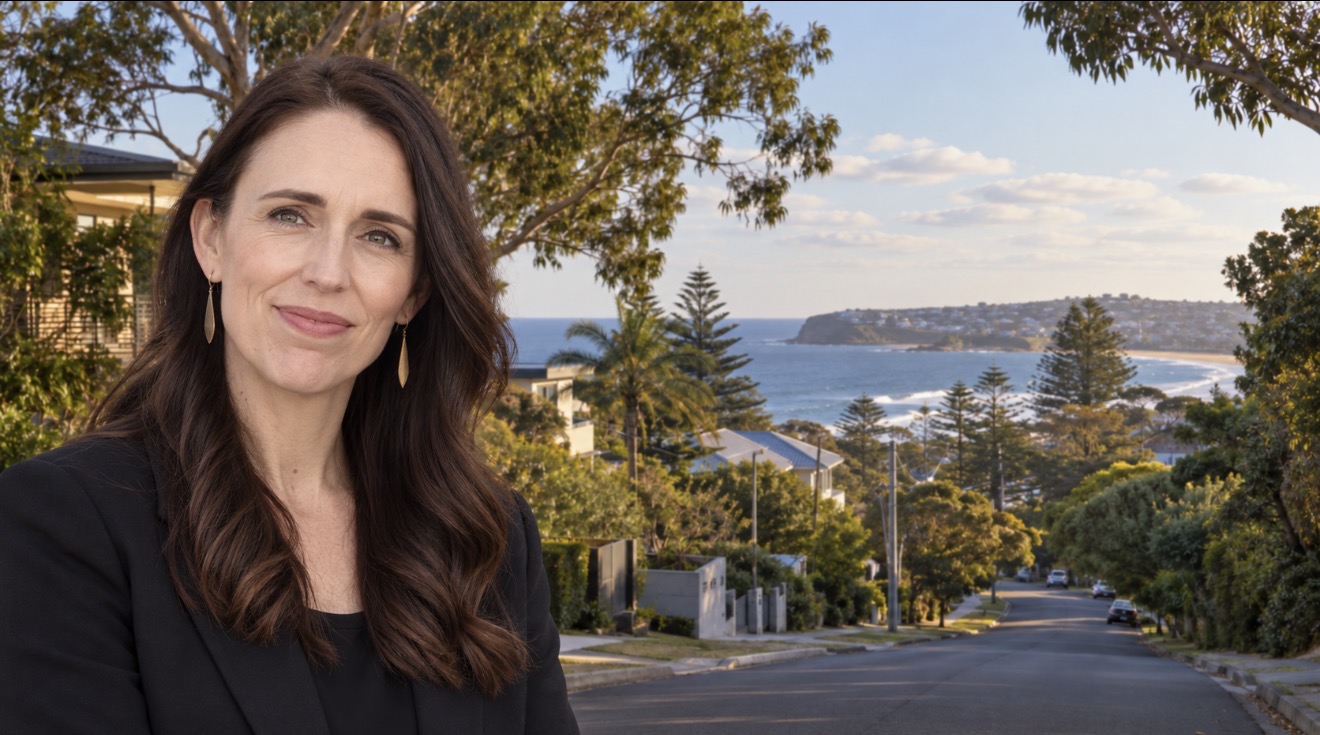
Former New Zealand Prime Minister Dame Jacinda Ardern and her husband, Clarke Gayford, have reportedly purchased a multimillion-dollar home in Sydney's Northern Beaches, the biggest residential sale recorded in the suburb so far this year.
According to the Sydney Morning Herald, which first reported the sale citing people familiar with the transaction, the couple bought a property in Dee Why for AU$5.3 million, roughly NZ$6.5 million.
Where They Settled, and What They Looked At First
Ardern and Gayford reportedly inspected several properties in Sydney's Northern Beaches before settling on Dee Why, including homes in nearby Curl Curl and Freshwater. Median house prices in those two suburbs sit around A$4 million and A$3 million respectively, giving some sense of the price bracket the couple were shopping in before landing on their final choice.
The pair had also been spotted dining at a Mexican restaurant in Dee Why, the suburb they've now reportedly chosen to call home. The sale itself is being handled by Raine & Horne Northern Beaches.
A Move That's Been Building Since Earlier This Year
This purchase isn't a sudden decision. Ardern's office confirmed in February that the family was living in Australia, after media reports showed Ardern, Gayford and their daughter Neve attending open home viewings in the area.
"The family has been travelling for a few years now," a spokesperson from Ardern's office said at the time. "For the moment they are basing themselves out of Australia, they have work there, and it brings the added bonus of more time back home in New Zealand."
What They Sold Before Making the Move
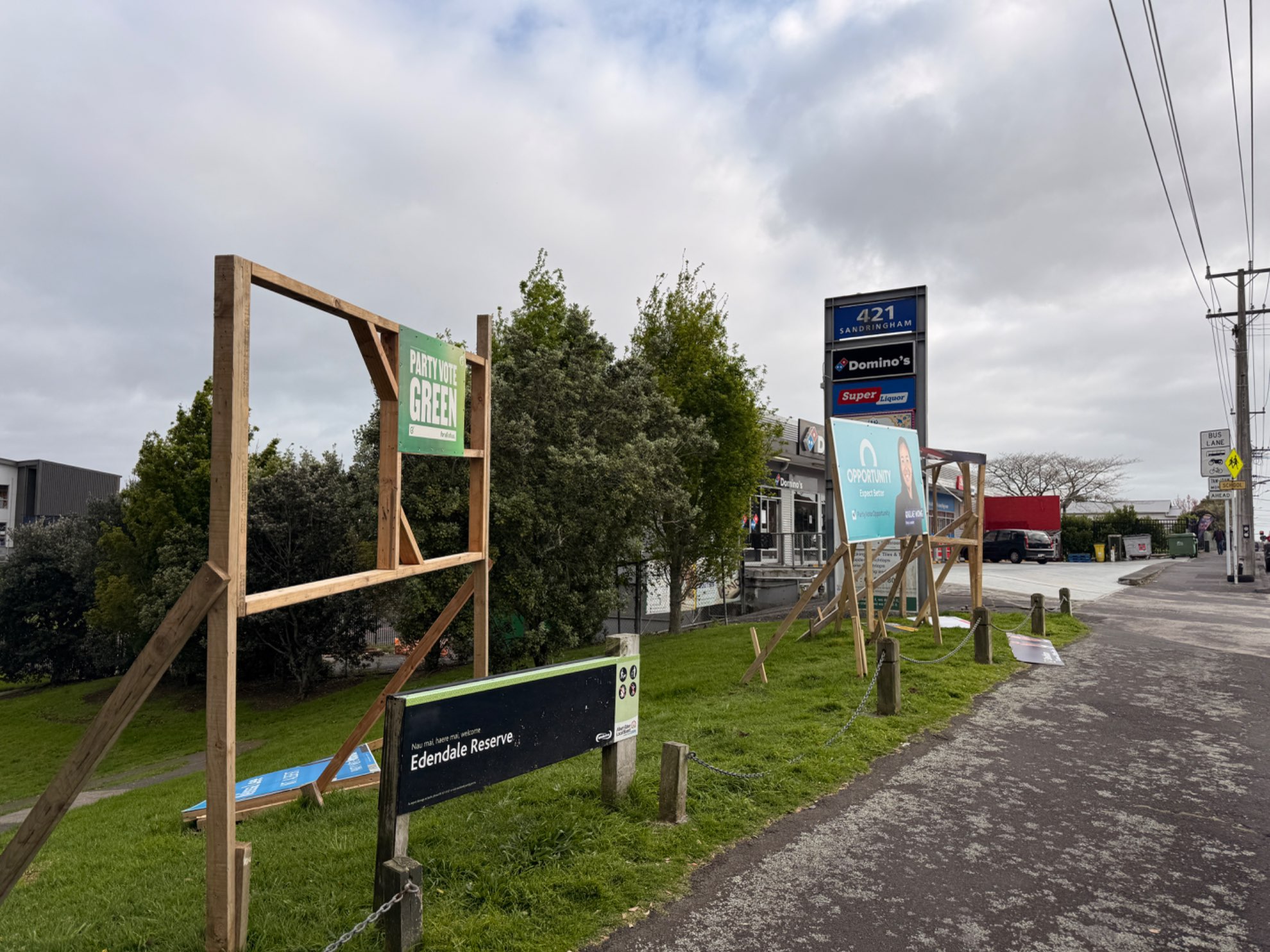
The purchase comes several months after Ardern and Gayford sold their central Auckland home, a four-bedroom Sandringham bungalow, in July. The couple originally bought that property for $1.74 million back in 2018, ahead of the birth of their daughter, and it carried a rating valuation of $2.3 million at the time it sold. Listing agent Tim Hawes said the new owners were "over the moon" with the purchase.
Ardern's Life Since Leaving Politics
Ardern announced her retirement from politics in January 2023, after five years as New Zealand's Prime Minister and Labour Party leader. She made history in 2017 when she was elected to the role at age 37, becoming the world's youngest serving female leader at the time, and later became only the second woman globally to give birth while holding elected office.
Since stepping down, Ardern has taken on dual fellowship roles at Harvard University, continued leading the Christchurch Call, a global initiative she founded to combat online extremism following the 2019 Christchurch mosque shootings, and joined the board of trustees for Prince William's Earthshot Prize. She was also the only New Zealander, and the only politician, included on this year's Time honorees list, and received an honorary degree from Oxford University as the sole politician and New Zealander recognised in that year's cohort.
Speaking About the Move Publicly
In June, Ardern told Australia's Today show that her family had received a warm welcome in their new country, while making clear where her loyalties still lie.
"There's so many similarities [between New Zealand and Australia]," Ardern said, while maintaining that New Zealand remains, in her view, the best country in the world.
Part of a Wider Trend
Ardern and Gayford's relocation reflects a broader pattern that's been reshaping New Zealand's population in recent years. The country has been grappling with a significant rise in citizens leaving for Australia, driven largely by a weaker economy, high living costs, and elevated unemployment, making the couple's move part of a well-documented trans-Tasman migration trend rather than an isolated personal choice.
Why This Story Has Drawn Attention
For a figure who led New Zealand through some of its most defining recent moments, the Christchurch mosque attacks, the Covid-19 pandemic response, and a term marked by global recognition for her leadership style, Ardern's decision to settle permanently in Sydney's Northern Beaches carries a certain symbolic weight beyond the property transaction itself. It places her, quite literally, among the growing number of New Zealanders choosing to build their next chapter across the Tasman.
This article draws on reporting from the Sydney Morning Herald, NZ Herald, 1News, and The Guardian.