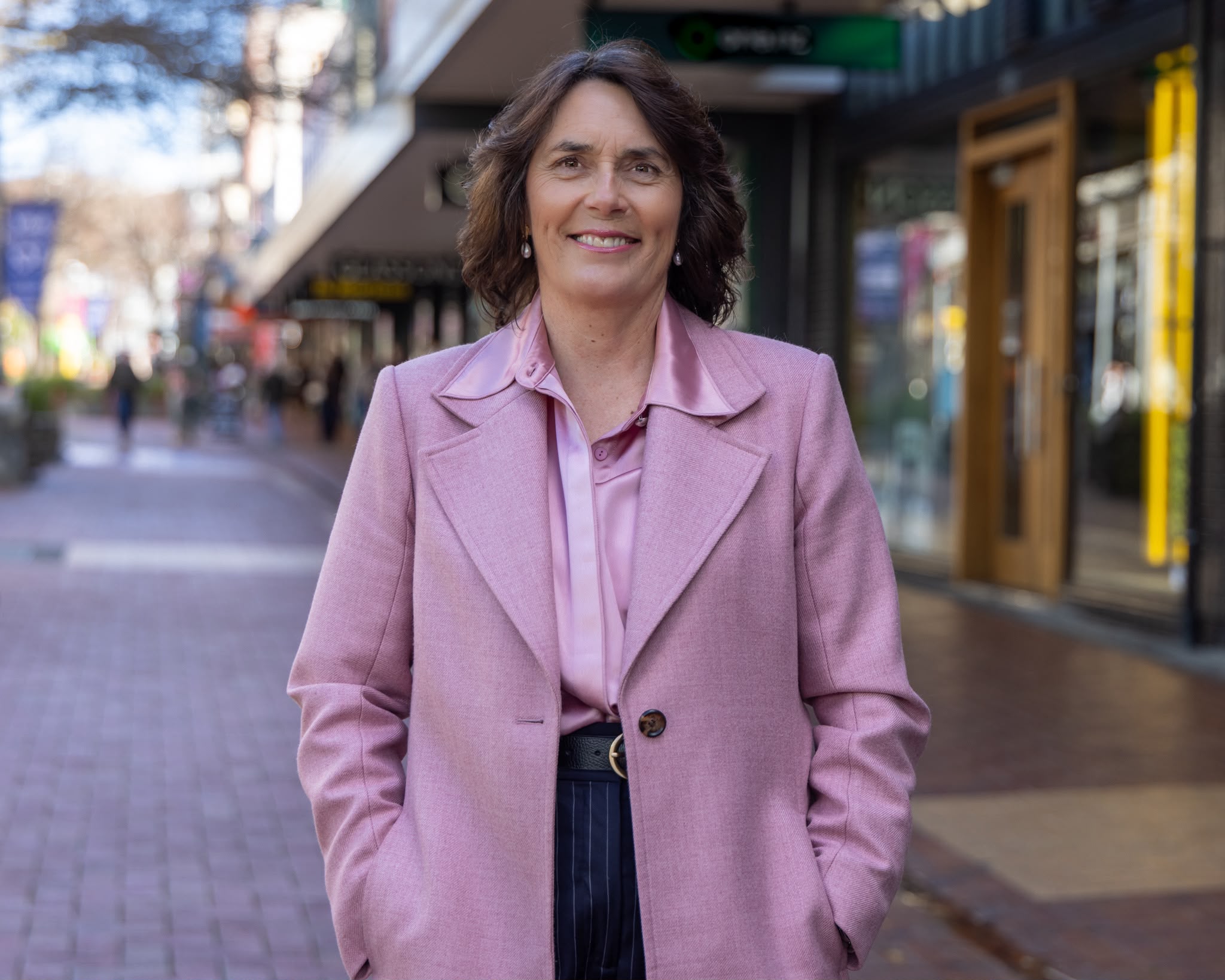
Retail NZ chief executive Carolyn Young says low consumer confidence, rising business costs and uncertainty are weighing on retailers, and is urging political leaders to explain how they would strengthen the economy.
Retailers need customers who feel secure enough to spend, but many households are using most of their income on essentials, Carolyn Young says.
Speaking with Webfit News, the Retail NZ chief executive said apparel businesses were under particular pressure as consumers cut back on discretionary spending. Clothing retailers were struggling for sales, she said, while technology stores were seeing double-digit growth in many cases as customers upgraded computers and responded to advances in areas such as artificial intelligence.
“Once households have paid for electricity and fuel and telecommunications and groceries, there’s not a lot left,” Young said.
She said improving the economy was the most urgent priority for retailers. High unemployment, rising interest rates and inflation were weighing on consumer confidence, while people worried about job security were holding back on spending.
Young said the discussion about the economy should include how to support job growth, higher wages and lower inflation. Those factors, she said, would help people feel more confident about paying their bills and shopping in stores.
Retail crime and store safety
Young said retail crime had decreased over the past three years, while aggressive and violent behaviour in stores remained a concern.
She credited police work, including the National Retail Crime Unit and retail crime teams in police districts, as well as higher penalties and fewer discounts for offenders who are caught.
Young said 60% of retail crime is caused by 10% of people. She said further progress would depend in part on addressing repeat offending.
She also encouraged retailers to focus on practical safety measures, including staff training, customer service, de-escalation skills, regular banking, limiting cash in tills, securing keys and safes, monitoring CCTV and staying in contact with neighbouring businesses and local police.
Tight margins affecting wages
Young said the 1% rise in the average retail wage reported in Retail NZ’s 2026 guide reflected the pressure on retailers’ margins.
She pointed to higher rates, electricity prices, insurance, lease costs and the cost of goods as expenses businesses were trying to absorb. Many retailers had restructured and reduced staffing to the minimum they believed they could manage while keeping their businesses operating, she said.
The challenge, Young said, was that retailers were struggling to raise wages while also facing limits on how much they could increase prices for customers.
More than a shop-floor job
Young said retail could offer young people career opportunities well beyond an entry-level role.
Possible pathways include store management, regional management, logistics, marketing, finance, payroll, human resources, buying and legal roles. She said young workers in retail could sometimes move into leadership quickly, including becoming a store manager within two or three years.
“Your first job is not your last job,” she said.
Online shopping can bring customers into stores
Young said retailers’ online presence was important even when customers planned to buy in person.
Shoppers often research products, specifications, warranties and store locations online before making a purchase.
She said 80% of transactions in New Zealand happen in stores rather than online, making a retailer’s website an important way to bring customers through the door.
Young said retailers should keep websites up to date and pay attention to delivery costs and return policies, which can affect whether customers complete an online purchase.
A call to support local businesses
Young encouraged people to spend time and money with retailers in their own communities. She said that if everyone spent 10% of their time spending money with small retailers in their local community, it could make a significant difference to those stores.
Shopping locally helps sustain businesses and jobs, she said, including opportunities for young people. Spending offshore, she added, does not bring the same money into the New Zealand economy.
Young shared that she buys flowers most weeks from a local dairy in Khandallah, where she values the service and personal connection.
Looking ahead to 2027, she said signs of a genuine recovery would include improving consumer confidence and retail sales, lower fuel prices, affordable electricity, less red tape and greater certainty for businesses.
Her message to political leaders was direct: “Let’s put the noise to the side. Let’s fix the economy.”
Webfit News is a member of the New Zealand Media Council.