
By Geet G | Webfit News
29 April 2026
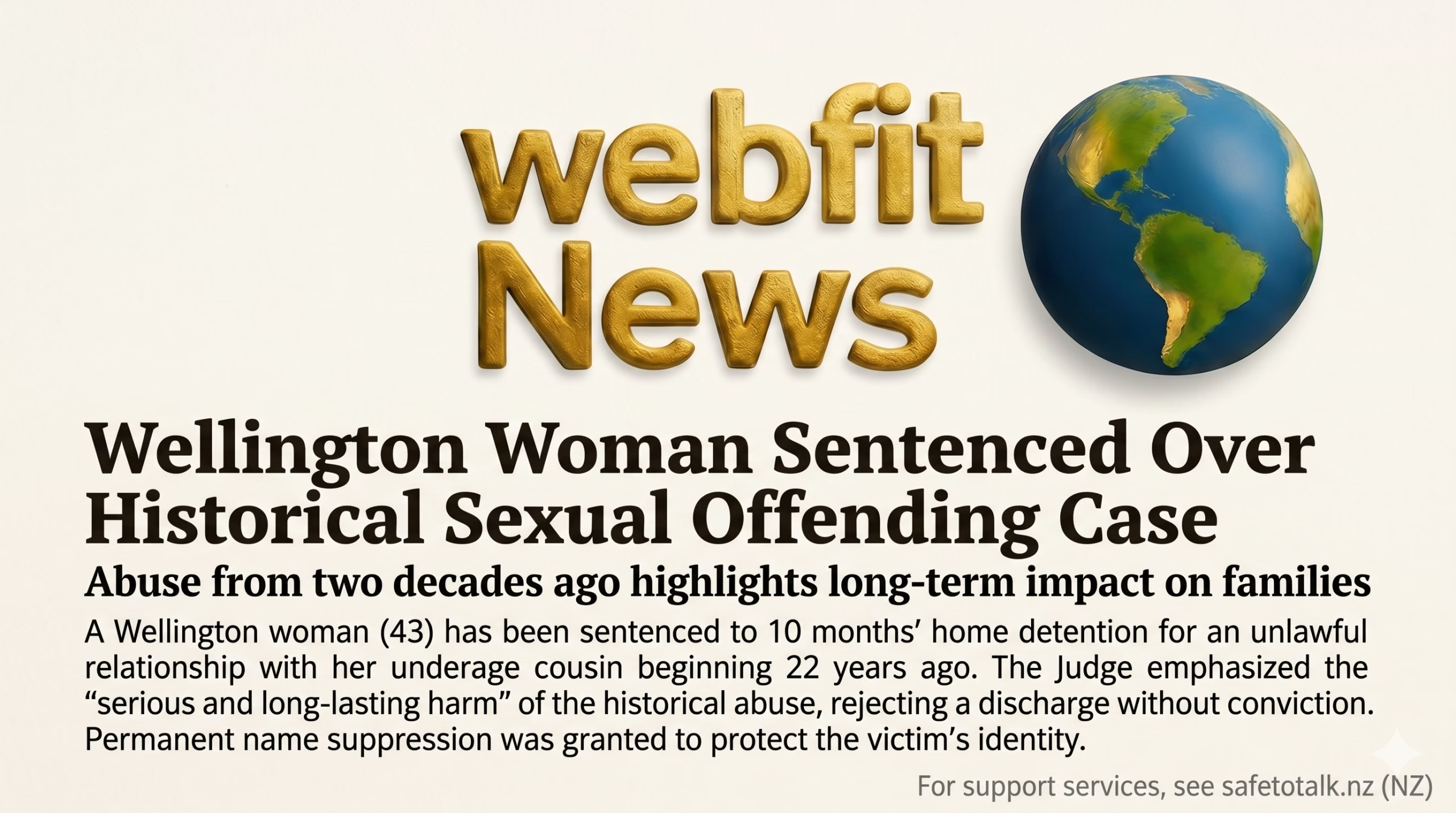
A Wellington woman has been sentenced to home detention more than two decades after engaging in an unlawful sexual relationship with her underage cousin, in a case that has highlighted the long-term impact of historical abuse.
The woman, now aged 43, appeared in the Hutt Valley District Court last week, where she pleaded guilty to a representative charge of unlawful sexual connection with a child aged between 12 and 16.
The court heard that the offending began when she was approximately 21 years old, while the victim was just 14. The relationship continued for several years, during which time a child was born in 2004.
The woman has been granted permanent name suppression to protect the identity of the victim.
Court Emphasises Long-Term Harm
Ramayana Reimagined: Auckland to Host Global Premiere of a Cinematic Audio Drama – WebfitNews
In sentencing, Judge Tony Couch rejected an application for discharge without conviction, stating there was “no reason” to avoid a conviction in a case that had caused “serious and long-lasting harm”.
The judge noted that the offending occurred over an extended period and involved a vulnerable young person who had limited control over the situation.
The victim’s impact statement was described as one of the most detailed the judge had encountered in his career, outlining the emotional and familial consequences of the abuse.
The court also acknowledged the challenges faced by the child born as a result of the relationship, including psychological and social disadvantages.
Sentence and Legal Considerations
The woman was sentenced to 10 months’ home detention, with the final sentence reflecting several mitigating factors.
These included:
- Her guilty plea
- Expressions of remorse
- Lack of previous convictions
- Personal background and rehabilitation efforts
Her legal counsel had argued that a conviction would have disproportionate consequences, particularly for future employment opportunities. However, the judge found that the seriousness and duration of the offending outweighed those concerns.
The court also rejected claims that potential reputational damage or emotional hardship justified avoiding a conviction.
Name Suppression Granted
While the woman applied for name suppression citing personal hardship, the court ultimately granted it primarily to protect the victim’s identity.
As the victim was a minor at the time of the offending, automatic legal protections apply, and publication of identifying details could have compromised that protection.
Broader Context
Cases involving historical sexual offending continue to surface in New Zealand courts, often many years after the events occurred.
Legal experts note that delayed reporting is not uncommon, particularly in cases involving family relationships or power imbalances, where victims may take years to come forward.
The case also highlights the complexities of addressing harm that extends beyond individuals to families and future generations.
Webfit News Perspective
This case is not just about sentencing. It reflects the lasting impact of abuse and the challenges of addressing it years later.
The court’s decision reinforces a clear message.
Time does not reduce the seriousness of harm caused.
At the same time, it underscores the importance of systems that allow victims to come forward safely, even after long delays.
Where to Get Help
If you or someone you know needs support, help is available:
- Emergency: Call 111 if you are in immediate danger
- Safe to Talk (24/7 confidential support):
Call 0800 044 334
Text 4334
Visit: safetotalk.nz - Male Survivors Aotearoa:
Support services available nationwide - Men and Trauma NZ:
0800 636 263 - Survivor Experiences Service:
Call 0800 456 090 or text 8328
You can also contact your local police station for assistance.
If you have experienced abuse, it is not your fault.
Source
Reporting based on information published by NZ Herald.