
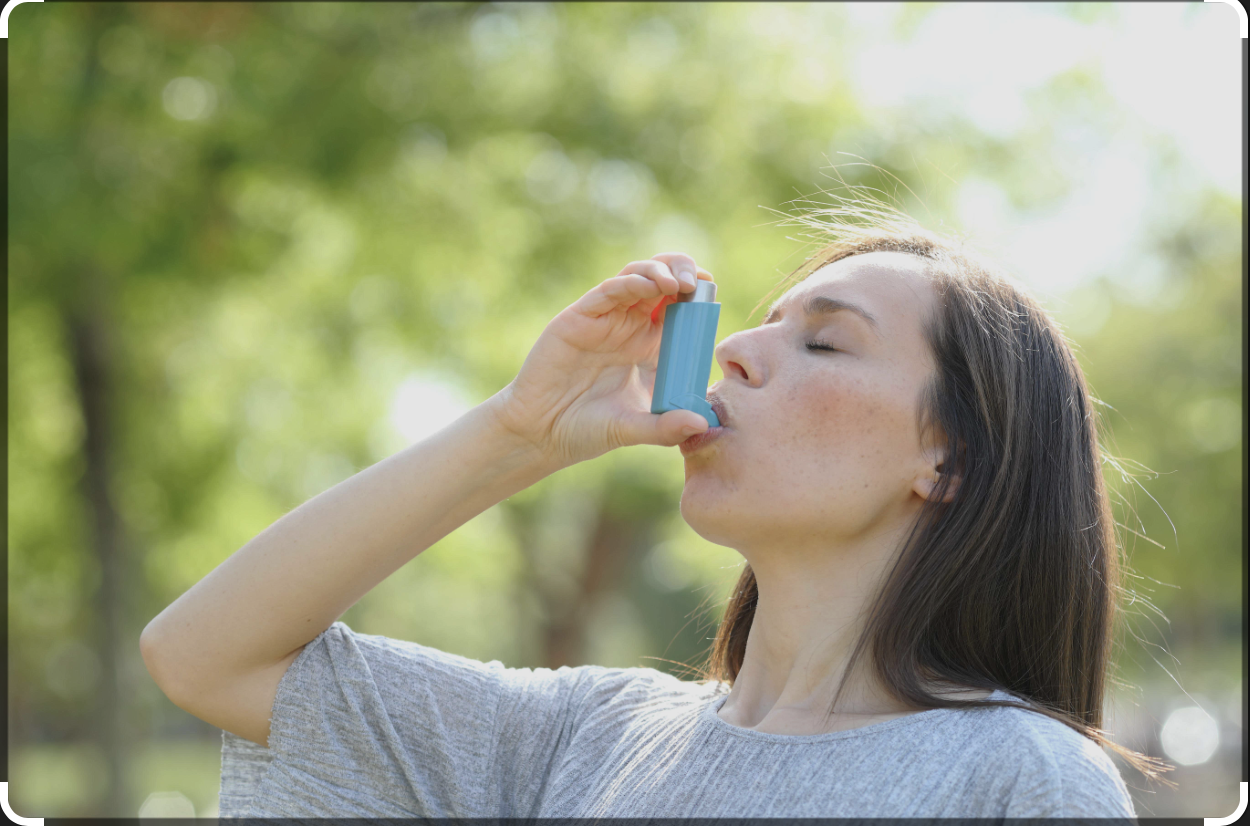
As spring arrives and temperatures begin to climb, people living with asthma are being urged to prepare early rather than wait until symptoms become difficult to control.
The reminder follows a spring asthma warning from Ambulance Victoria, where health officials are encouraging people to review their asthma action plans, check medications and understand their personal triggers before pollen levels and warmer weather increase.
The same message is highly relevant in New Zealand.
Pollen, dust, mould, air pollution, changes in temperature and respiratory infections are all recognised asthma triggers, and spring can bring several of them together at once.
For people with poorly controlled asthma, what begins as wheezing or a tight chest can deteriorate quickly.
Spring can expose multiple asthma triggers at once
Common asthma symptoms include:
wheezing
coughing
shortness of breath
chest tightness
difficulty exercising or completing normal activities
Some people know exactly what sets off their asthma.
Others may go for months with relatively few symptoms and assume the condition is no longer a problem.
That can create a false sense of security.
Asthma can remain present even during long periods when someone feels well, which is why health professionals recommend maintaining preventive treatment and having a written plan for what to do if symptoms return.
Spring can be particularly difficult for people whose asthma is linked to pollen or hay fever.
Pollen levels rise as grasses, trees and plants enter their growing season, while warmer weather can also encourage people to spend more time outdoors.
For some people, that increased exposure can mean more frequent symptoms.
Thunderstorms can create an additional risk
The Victorian warning also highlights thunderstorm asthma, a phenomenon associated with particular combinations of high grass pollen levels and certain thunderstorms.
During these events, pollen particles can break into very small fragments and become concentrated in the air.
Those particles can penetrate deeper into the lungs and potentially trigger serious breathing problems in susceptible people, particularly those with asthma or pollen-related allergies.
Thunderstorm asthma has attracted particular attention in Australia because of major outbreaks there.
For New Zealand readers, the practical lesson is not to assume that hay fever is always harmless.
People who experience seasonal allergies together with wheezing, coughing, chest tightness or breathlessness should discuss those symptoms with a healthcare professional.
An asthma action plan can make a real difference
One of the most useful things people with asthma can have is a written asthma action plan.
The Asthma and Respiratory Foundation NZ says these plans help people understand their normal treatment, recognise when asthma is deteriorating and know what to do during a serious flare-up.
Research summarised by the Foundation shows people using an asthma action plan have better asthma control, fewer hospital admissions, fewer emergency primary-care visits and lower reliever medication use.
The Foundation recommends that asthma action plans be reviewed at least once a year, or whenever medication changes.
A useful spring check should include making sure:
medications are still in date
inhalers have enough doses remaining
inhaler technique is correct
a spacer is available where appropriate
the asthma action plan is current
family members or caregivers know what to do in an emergency
children’s schools or childcare providers have an up-to-date plan where necessary
Know when asthma has become an emergency
Asthma attacks can worsen quickly.
In New Zealand, urgent warning signs include being unable to speak normally because of breathlessness, gasping for air, developing bluish lips or having symptoms that do not improve properly after using reliever medication.
In those situations, call 111 and ask for an ambulance.
Health guidance advises people experiencing an asthma attack to follow their action plan and seek emergency help if reliever medication is not providing adequate improvement.
Anyone who has recently experienced worsening asthma should also arrange a review with their GP, nurse or other healthcare provider rather than simply increasing reliever use without addressing the underlying problem.
Asthma remains a major New Zealand health issue
The spring warning deserves particular attention in New Zealand because asthma remains common, especially among children.
The latest available New Zealand Health Survey found that 10.9 percent of children aged 2 to 14 had asthma and were using treatment in 2024/25.
That is roughly one in nine children.
The figure has declined from 13.4 percent in 2019/20, but asthma continues to place substantial pressure on families and the health system.
The impact becomes even clearer when hospital admissions are examined.
Ministry of Health reporting shows asthma was the leading cause of potentially avoidable hospital admissions among children aged 0 to 4 in the year to June 2024, accounting for 5,593 admissions.
Those are not simply statistics.
Each admission represents a child struggling enough to breathe that hospital treatment became necessary, along with worried parents, disrupted schooling and pressure on emergency and hospital services.
Māori, Pacific and lower-income communities face a heavier burden
Asthma also does not affect every New Zealand community equally.
Research compiled by the Asthma and Respiratory Foundation has consistently found higher asthma hospitalisation and mortality rates among Māori and Pacific peoples and among people living in more socioeconomically deprived communities.
The Foundation’s respiratory disease research found significant inequalities across prevalence, hospitalisation and mortality, with deprivation closely associated with poorer respiratory outcomes.
That means improving asthma outcomes is not simply about reminding individuals to carry an inhaler.
Housing quality, access to healthcare, affordability of treatment, exposure to dampness and mould, smoking and vaping exposure, and the ability to access timely primary care all play a role.
Respiratory disease carries a much wider national cost
Asthma sits within a broader respiratory health problem in New Zealand.
Asthma and Respiratory Foundation research has estimated that around one in five New Zealanders is affected by respiratory illness and that respiratory disease carries an economic cost measured in billions of dollars.
The Foundation has also highlighted substantial losses through hospital admissions, time away from work and school, and preventable illness.
That makes prevention important for more than the individual patient.
A well-controlled asthma condition can mean fewer emergency department visits, fewer ambulance call-outs, less time away from work and fewer disrupted school days.
A useful spring reminder for New Zealand families
The advice coming from Victoria should therefore be viewed as more than an Australian seasonal warning.
For New Zealanders with asthma, September is a good time to check whether the condition is actually under control before pollen exposure increases further.
If you have asthma, know your triggers.
Make sure your medication is available.
Review your action plan.
And if you have persistent hay fever together with breathing symptoms, do not assume it is simply seasonal irritation.
The most important time to prepare for an asthma flare-up is before one happens.
For severe breathing difficulty in New Zealand, call 111 immediately.
Sources: Ambulance Victoria; New Zealand Ministry of Health; Asthma and Respiratory Foundation NZ; Healthify New Zealand.