24 September 2026
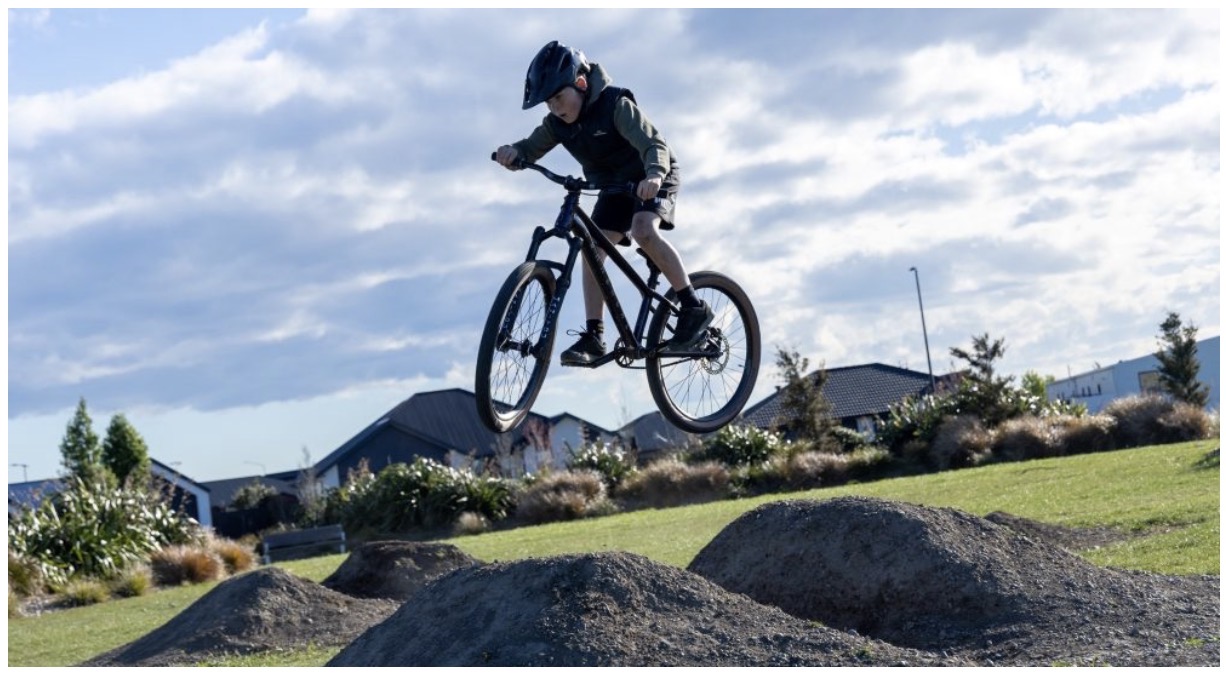
Selwyn District Council has found an unusual fix for children digging up its parks to build bike jumps: it now delivers the dirt itself.
The pilot started last school holidays in three parks in Leeston, Lincoln and Tai Tapu. The council says it has worked well enough that more dirt, this time including clay, is being dropped off this week ahead of the coming school holidays.
A fourth site at Foster Park in Rolleston is being added, and the council is considering West Melton and other townships.
From problem to pilot
The idea came from a vandalism problem.
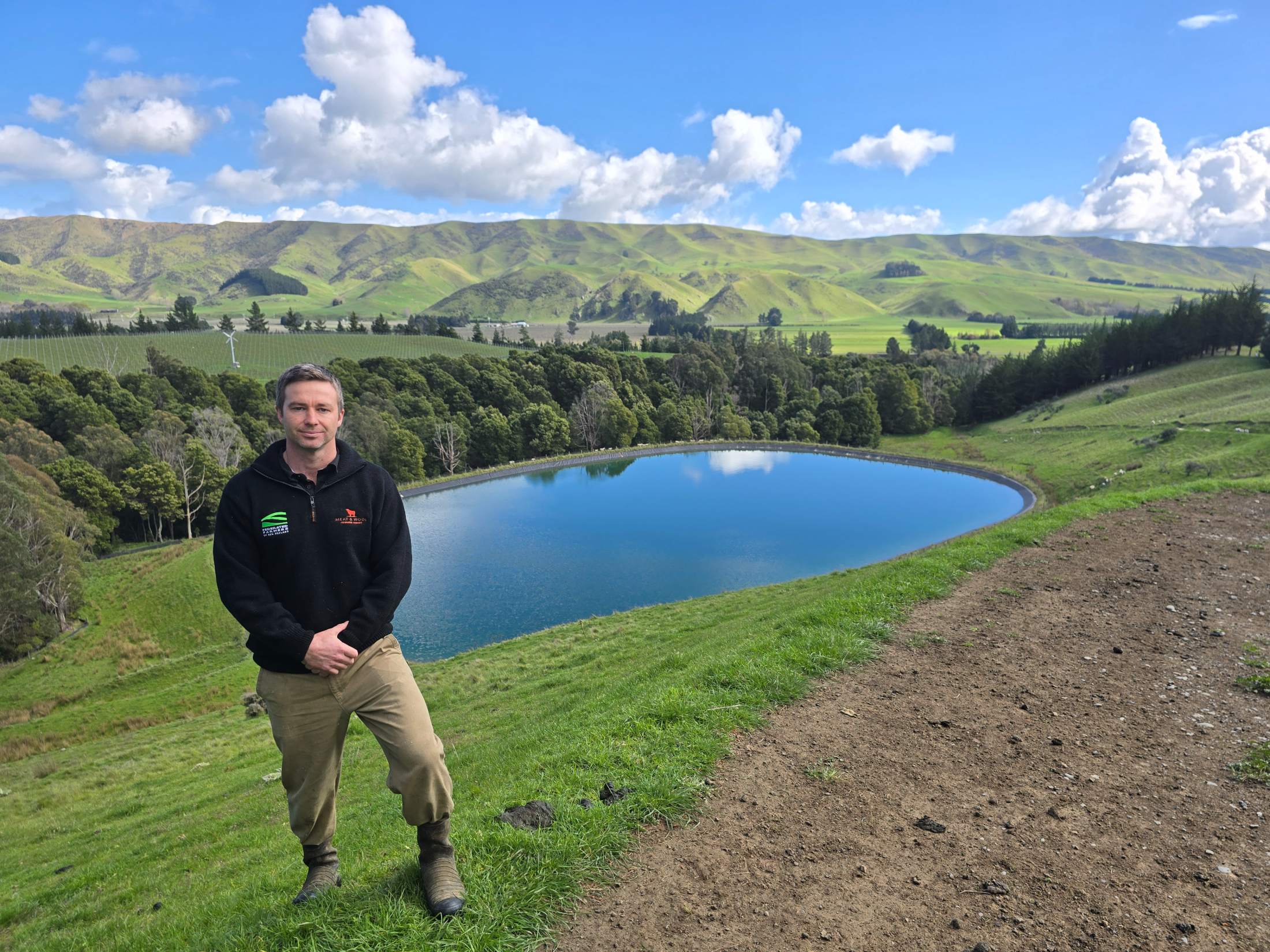
Kieran Wall, the council's reserves operations manager, says staff noticed children digging dirt out of local parks to build jumps and often destroying vegetation in the process.
Some councillors suggested the council simply supply the dirt. Wall says the idea has been "a big success".
Rather than fence off the problem or chase it with enforcement, the council gave children a legitimate place to do what they were already doing.
Where the jumps are
|
Location |
Status |
|
Leeston |
Pilot site |
|
Lincoln, including Rosemerryn Reserve |
Pilot site |
|
Tai Tapu |
Pilot site |
|
Foster Park, Rolleston |
New site being added |
|
West Melton and other townships |
Under consideration |
The next delivery will include clay, which Wall says is better soil for building jumps because it holds its shape.
The council has put up signs at the sites encouraging young riders to get creative. The signs carry a QR code linking to a short survey for riders and parents.
"The more feedback we have from the community, the more informed we can be about the trial," Wall said.
What the kids and parents say
For 10-year-old Fletcher Ramsell of Lincoln, the appeal is simple.
"It's quite fun and we get to do more jumps, so we can practise doing our jumps," he said. He is looking forward to the clay, which he says is easier to shape.
His father, Brandon Ramsell, says Fletcher and his friends use the Rosemerryn Reserve pump track and jumps regularly. A pump track is a looped circuit of rollers and banked corners that riders move around by pumping their bodies rather than pedalling.
Ramsell says the track alone gets repetitive after a while, and the dirt has given the children something new to work on.
"They all have different skill levels, but you can see the boys egging each other on to make bigger jumps," he said.
He says any initiative that gets young people off the couch deserves support. His son, he says, drops his school bag and is out on his bike with friends until dinner time.
A low-cost option
Lincoln councillor Denise Carrick describes the scheme as simple, cost-effective and well used.
"It is great to see the young people making their jumps and doing what kids should do: playing in the dirt and being creative," she said.
The council has not said what the pilot has cost so far, or how much the expansion will cost. Dirt and clay deliveries are likely to be cheap compared with repairing damaged reserves or building formal bike parks, but no figures were included in the material supplied.
What remains unclear
Some practical questions were not addressed in the council's announcement:
- how many survey responses have been received and what they show
- when the Foster Park site will be ready
- how the council manages safety as jumps get bigger
- whether riders will be expected to maintain or repair the jumps
These questions will matter more if the trial becomes a permanent part of how the council manages its reserves.
What happens next
Fresh dirt and clay are being delivered this week so children can build new jumps over the school holidays.
Wall says the council is talking with local councillors about further sites. He also points out that children will tell the council where jumps are wanted in their own way, by digging up the reserves.
That is the real lesson of the pilot. The council has stopped treating the digging purely as damage and started reading it as demand. If the survey results back that up, other councils dealing with the same problem may take note.
Source: Selwyn District Council.