If you don’t have any ideas yet, we can start brainstorming together. What problem or area are you interested in exploring? Do you have a specific industry, market, or audience in mind?
Step 1: Gather Materials
Printed copies of your design concept sketches or previous work
Magazines, catalogs, and books that inspire you
Fabric swatches, wallpaper samples, or other materials that add texture and interest
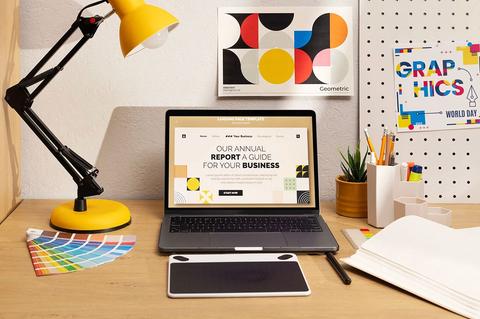
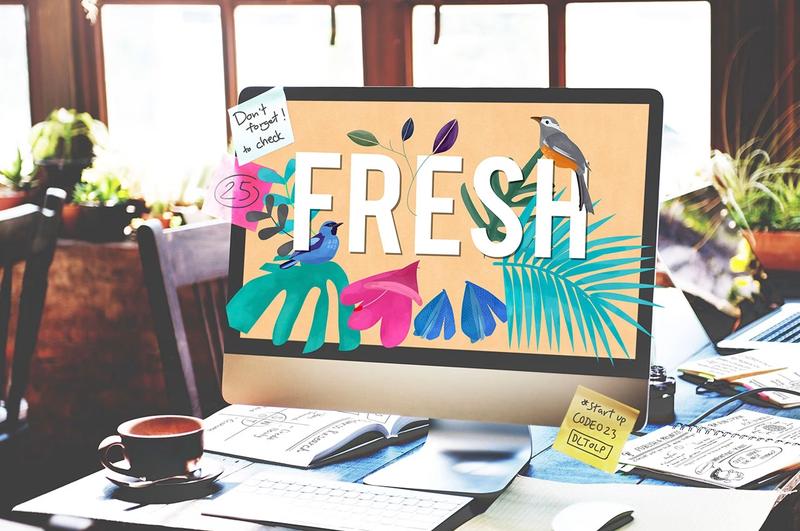
Digital tools like Adobe Photoshop or Canva for creating a digital mood board
Step 2: Identify Key Elements
Identify the key elements that define the desired aesthetic and atmosphere:
Color palette: choose 2-3 core colors that evoke the desired mood
Typography: select font styles or typography that align with the mood
Imagery: identify the types of images that fit the mood (e.g., nature, cityscapes, abstract)
Texture: consider the textures that add depth and interest (e.g., rough, smooth, organic)
Mood words: identify key words that describe the desired mood (e.g., calm, energetic, playful)