By Webfit News | Source: RNZ
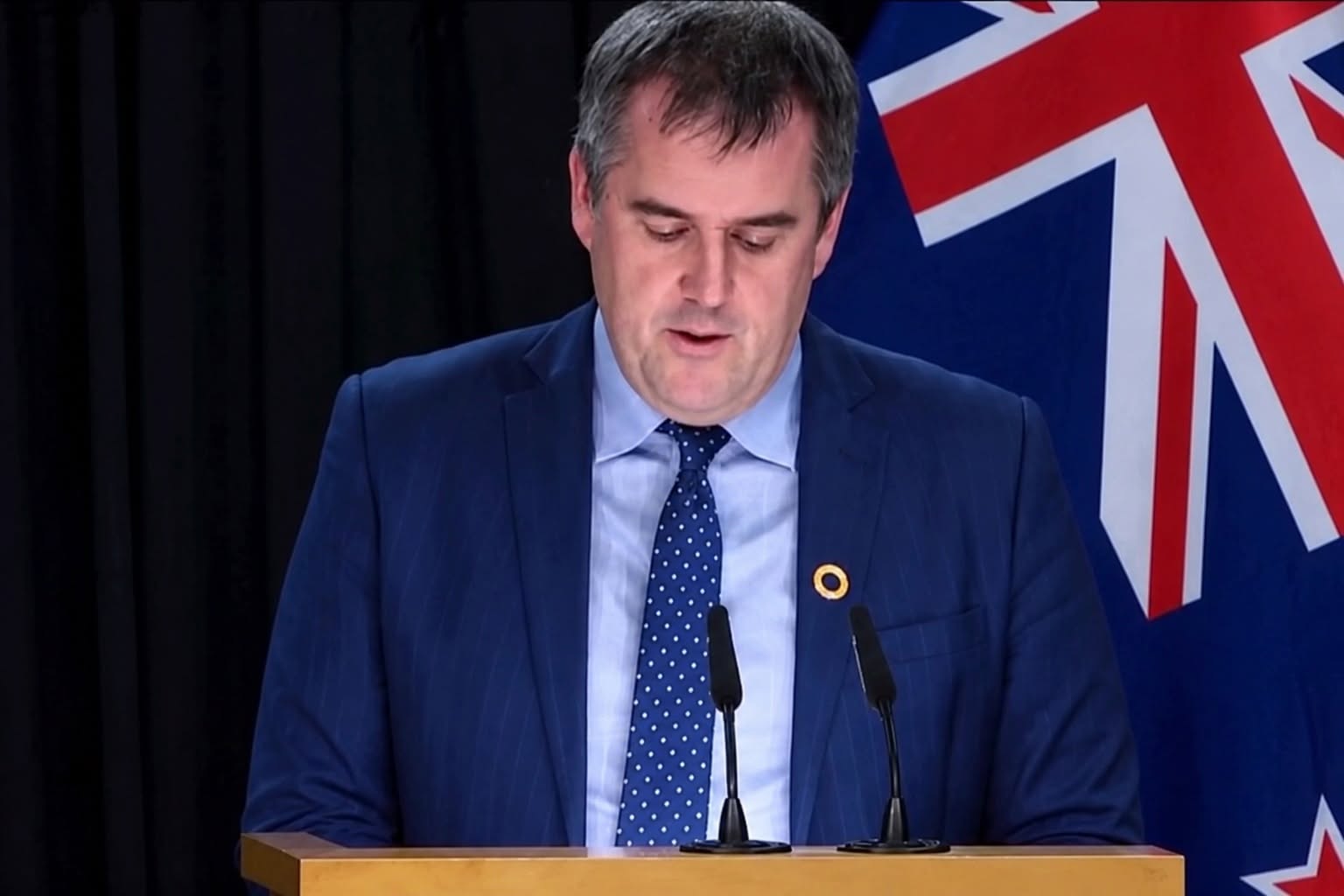
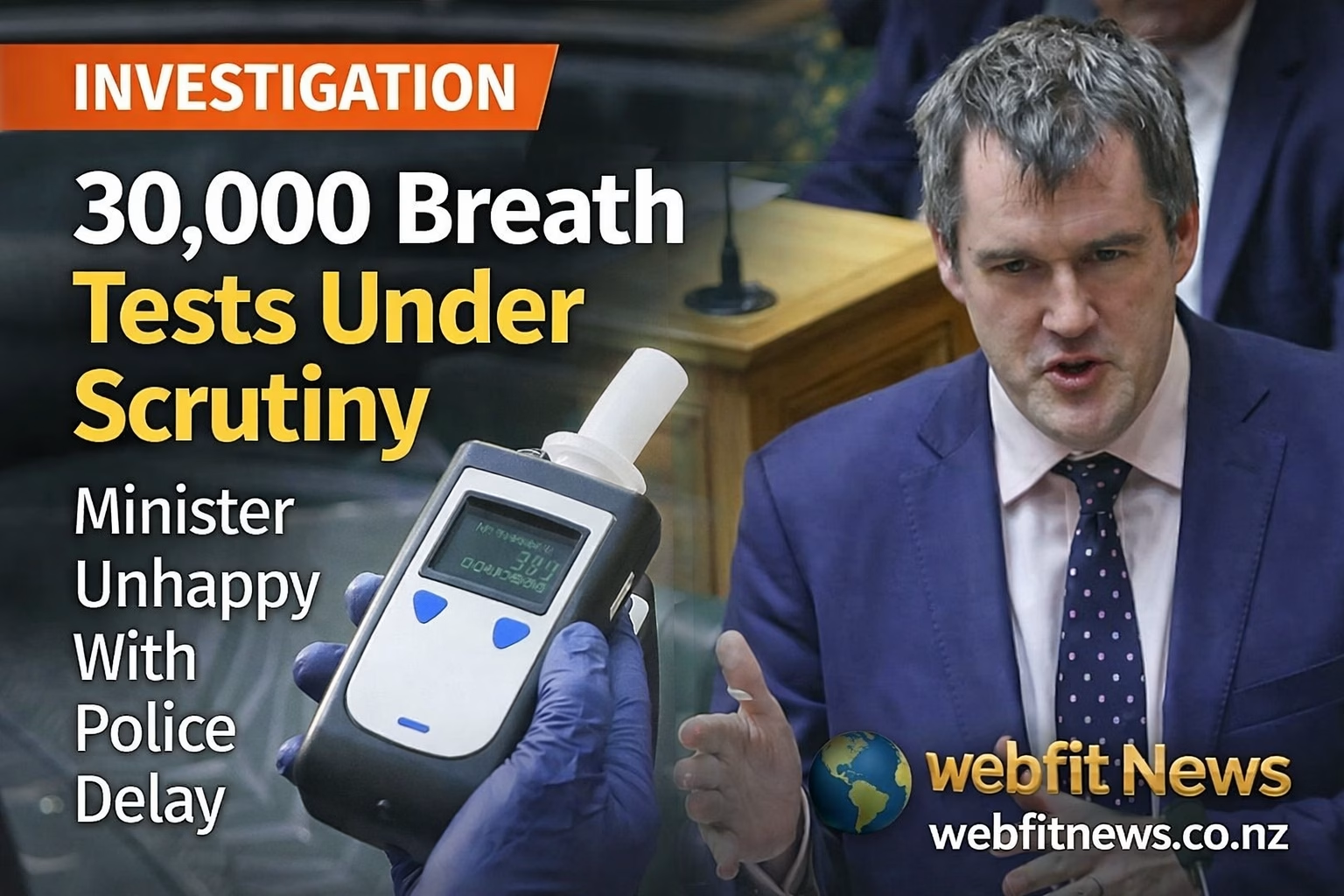
A growing controversy around police breath testing practices has taken a sharper turn, with Transport Minister Chris Bishop expressing frustration over delays in receiving a full report into the issue.
The investigation, which involves tens of thousands of potentially inaccurate breath tests, is now complete. But the fact that the Minister has not yet been formally briefed is raising serious questions about accountability, transparency, and urgency within the system.
Background: What Triggered the Investigation
The issue first came into public view when Radio New Zealand reported that:
- Around 30,000 alcohol breath tests may have been incorrectly or falsely recorded
- Approximately 130 police officers were placed under investigation nationwide
These revelations pointed to potential systemic flaws rather than isolated incidents, triggering a deeper review into how roadside alcohol testing data was being recorded and validated.
In response, the New Zealand Transport Agency took a strong stance by:
- Suspending $6 million in funding to the Police
- Demanding assurance that proper testing standards were being met
Where Things Stand Now
An independent analysis of the breath testing data has now been completed.
According to NZTA:
- A final report has been prepared and shared with partner agencies
- Decisions on releasing withheld funding are expected later this month
- Feedback from multiple agencies is still being gathered before any public release
However, despite the report being circulated among agencies, Minister Bishop confirmed he has not yet received it.
Minister’s Response: “Unhappy” with Delays
Chris Bishop has made it clear he is not satisfied with how long this process is taking.
He stated that:
- He is still awaiting a full briefing from NZTA
- He has asked officials to expedite the process
- The issue is “obviously concerning.”
This is not just a procedural delay. It highlights a disconnect between operational agencies and political oversight, especially on a matter tied directly to public safety.
What Exactly Went Wrong
The irregularities stem from how breath test data was recorded and interpreted.
Key issue identified:
- An algorithm flagged cases where a second test occurred within 90 seconds
- At the same time, the recorded movement suggested speeds above 20 km/h
This raised a red flag, as it implied testing may have been conducted while officers were moving, which should not happen.
However, the system had limitations:
- It could not reliably detect irregular tests conducted while stationary
- Some forms of incorrect testing may have gone undetected entirely
Even senior police leadership acknowledged these gaps. Acting Deputy Commissioner Mike Johnson noted that while the algorithm helped identify some issues, it could not capture the full picture.
Police Position: Waiting Before Commenting
Police have chosen not to comment in detail yet.
Their stance:
- They will wait until NZTA officially communicates outcomes
- No further statements will be made until then
This cautious approach suggests that findings in the report could have broader implications, potentially affecting procedures, training, and internal accountability.
Webfit News Perspective
This is where the story gets uncomfortable.
Let’s be blunt.
If 30,000 tests are questionable, this is not a minor technical glitch. This goes to the core of law enforcement credibility.
Think about it:
- Breath tests influence legal outcomes, including fines and convictions
- If data integrity is compromised, it raises doubts about fairness in enforcement
- Delays in reporting only make it look like systemic hesitation or risk management, not urgency
And here is the bigger issue you might be missing.
This is not just about the police or NZTA. It is about public trust in automated decision systems.
We are increasingly relying on:
- Algorithms
- Data validation systems
- Automated enforcement tools
If those systems fail quietly, and it takes months or years to surface the issue, then the real risk is not the error. It is the delay in accountability.
What Happens Next
Several key developments are expected soon:
- Minister Bishop will receive a formal briefing
- NZTA will decide whether to release withheld funding
- The findings may lead to:
- Updated testing protocols
- Additional training requirements
- Possible disciplinary or systemic changes
The real test will be transparency.
If the report is made public quickly and clearly, trust can be rebuilt.
If it is delayed or diluted, this issue will not go away quietly.
Conclusion
This investigation sits at the intersection of technology, law enforcement, and public accountability.
The facts are already serious.
The delay is making them worse.
For now, the country waits for answers that should have come sooner.
References
- Reporting by Radio New Zealand
- Statements from the New Zealand Transport Agency
- Office of Chris Bishop