
Auckland, New Zealand | 11 March 2026
New Zealand’s pharmaceutical funding agency Pharmac has announced a major expansion in access to life-changing medicines for people living with cystic fibrosis, a serious lifelong genetic condition that affects around 500 New Zealanders.
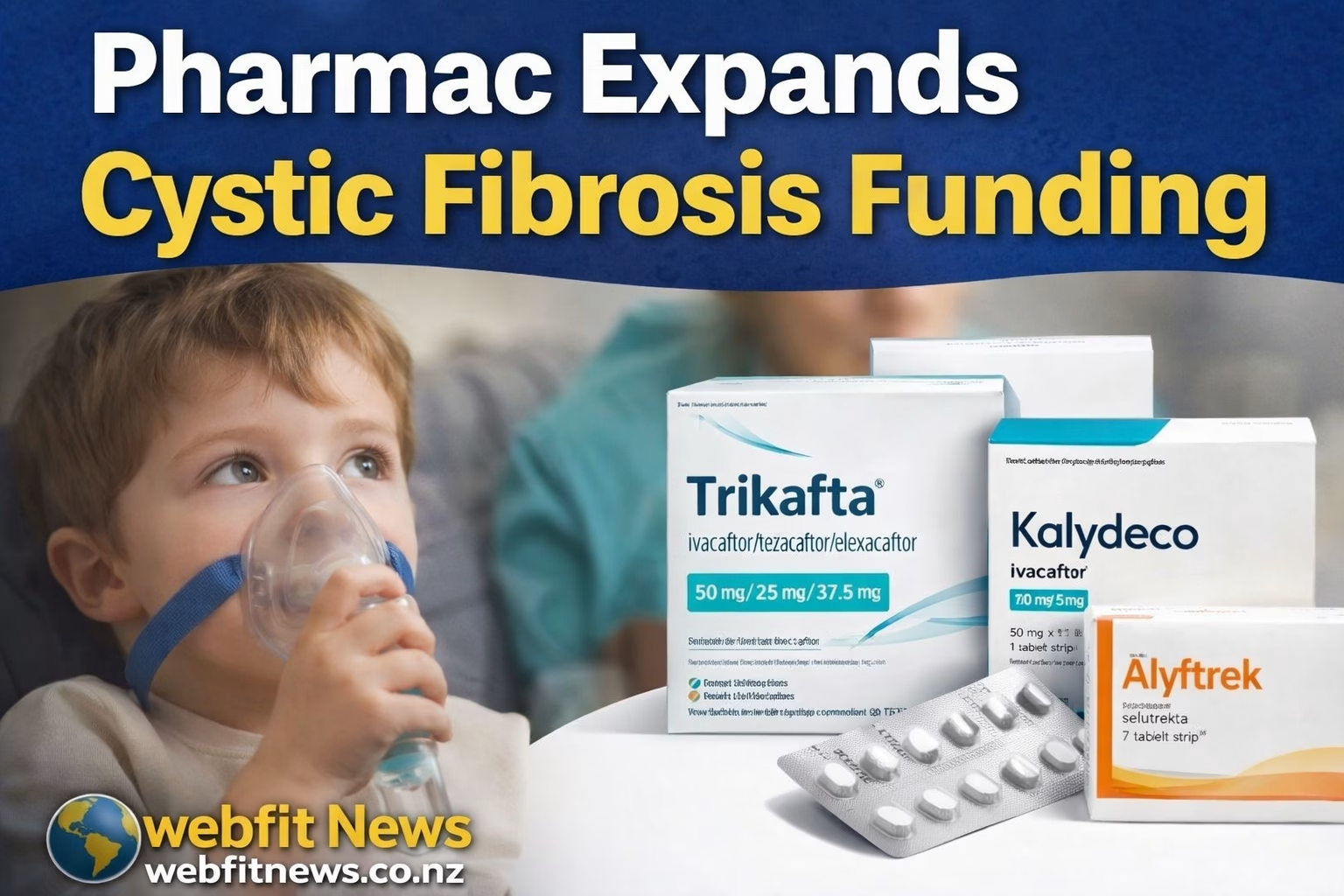
From 1 April 2026, Pharmac will widen access to two existing medicines, Trikafta and Kalydeco, while also funding Alyftrek for the first time. The decision is expected to allow more patients, including young children, to receive treatment earlier in life.
Health advocates say the move could significantly improve quality of life for people with cystic fibrosis and reduce long-term pressure on the country’s healthcare system.
What the Decision Means
Pharmac confirmed that the new funding decision includes three major changes:
• Expanded access to Trikafta for people with eligible genetic mutations
• Expanded access to Kalydeco for additional eligible patients
• First-time public funding for Alyftrek
These medicines target the underlying cause of cystic fibrosis, rather than only treating symptoms.
Adrienne Martin, Director of Pharmaceuticals at Pharmac, said the expansion will allow more patients to benefit earlier.
“Trikafta has already changed the lives of hundreds of New Zealanders with cystic fibrosis. This decision means more people, including young children, will be able to access these medicines earlier,” she said.
Understanding Cystic Fibrosis
Cystic fibrosis is a genetic condition that affects the lungs and digestive system. It causes the body to produce thick, sticky mucus that can block airways and lead to severe lung infections.
Key facts about cystic fibrosis:
• Around 500 people in New Zealand live with the condition
• The disease starts causing damage very early in life
• It often leads to repeated lung infections and organ complications
• There is currently no cure
Without effective treatment, cystic fibrosis can significantly shorten life expectancy.
Health specialists say early treatment can slow disease progression and help children live more normal lives.
How the Medicines Work
The medicines Trikafta, Kalydeco and Alyftrek belong to a class of treatments known as CFTR modulators.
Instead of only treating symptoms, these medicines correct the underlying defect in the CFTR protein, which is responsible for mucus regulation in the body.
By improving how the protein works, the medicines help the body produce thinner mucus, which reduces lung infections and improves breathing.
Doctors say patients who receive these treatments often experience:
• Improved lung function
• Fewer hospital admissions
• Better overall quality of life
• Increased life expectancy
Benefits for Children and Families
One of the most significant aspects of the decision is earlier access for younger patients.
Currently:
• Trikafta is approved for children aged two years and older
• Alyftrek is approved for children aged six and older
Earlier treatment can prevent permanent lung damage that typically begins in childhood.
Pharmac says families strongly supported earlier access during consultation.
“Damage from cystic fibrosis begins very early in life,” Martin explained.
“Earlier access to these medicines can help prevent irreversible harm, improve quality of life, and give families greater certainty and peace of mind.”
Public Consultation Played a Key Role
The decision follows a public consultation process that generated more than 780 submissions from patients, families, doctors and advocacy groups.
Many respondents highlighted how earlier treatment could dramatically improve children’s lives.
Parents described hopes that their children could:
• Attend daycare and school normally
• Play with friends without frequent hospital visits
• Experience fewer medical complications
Feedback also called for simpler eligibility rules for accessing treatment.
In response, Pharmac said it has simplified the criteria and ensured a broader range of eligible genetic mutations is covered.
Impact on New Zealand’s Health System
Pharmac believes the expanded funding will also benefit the wider healthcare system.
Better access to CFTR modulator medicines is expected to reduce:
• Emergency hospital admissions
• Long-term respiratory complications
• Intensive medical treatments later in life
Reducing hospital visits and complications could lead to long-term savings for the health sector while improving patient outcomes.
Webfit News Perspective
This funding decision highlights how modern precision medicine is changing the future of genetic diseases. For a small country like New Zealand, expanding access to advanced treatments is not only about healthcare funding but also about equity.
For families affected by cystic fibrosis, earlier access to treatment can mean the difference between a childhood dominated by hospital visits and one filled with normal experiences. Policies that prioritise early intervention may also reduce long-term pressure on the health system.
As medical science continues to evolve, the challenge for public health agencies will be ensuring these breakthroughs remain accessible to the communities that need them most.
References
Pharmac New Zealand
Decision to widen access to Trikafta and Kalydeco and fund Alyftrek