The New Zealand Defence Force has made progress in the way it prevents and responds to harmful behaviour, but the Auditor-General says stronger leadership, clearer expectations and better oversight are still needed to make the improvements stick.
A new report, New Zealand Defence Force: Progress towards eliminating harmful behaviour, is the Auditor-General’s third performance audit of Operation Respect, the programme NZDF launched in 2016 to prevent and respond to harmful behaviour across the armed forces.
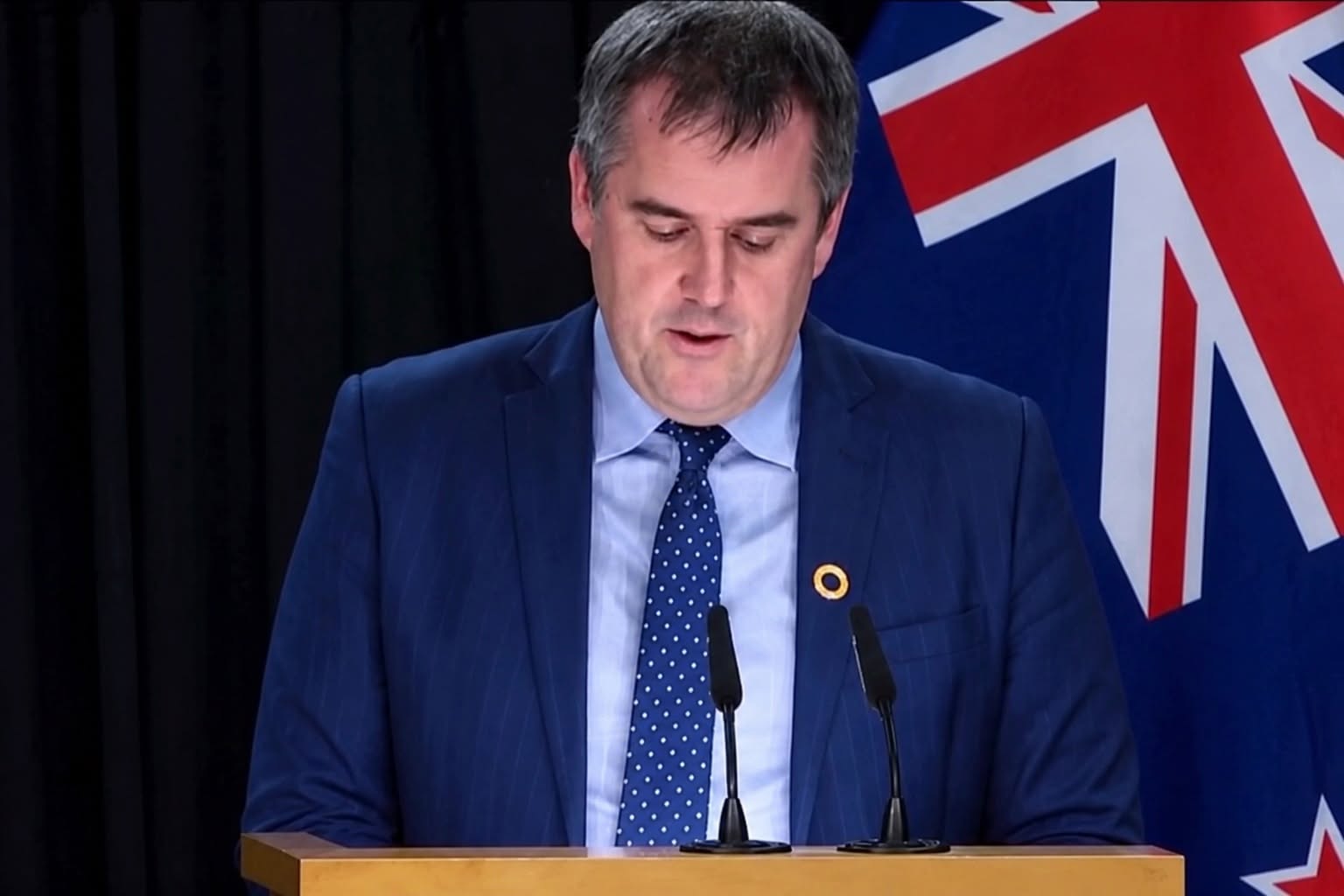
Auditor-General Grant Taylor said senior leaders had a central role in shaping workplace culture and in making sure personnel understood both what behaviour was expected and why a respectful environment was important for operational effectiveness.
“NZDF’s senior leaders play a crucial role in shaping its culture and creating the right environment for change,” Taylor said.
“They have significant influence on what personnel understand appropriate behaviour to be and how having a safe, respectful, and inclusive environment strengthens operational effectiveness.”
The report acknowledges several changes made by NZDF, including new policies, a new complaints resolution unit and an implementation plan focused on prevention and leadership practice.
Taylor said those developments were significant, but warned that progress would depend on consistency.
“Some senior leaders had set clear expectations for their teams to prioritise action on identifying and responding to harmful behaviour. NZDF now needs to make sure this is happening consistently across the organisation,” he said.
Harmful behaviour remains a significant concern
The report draws on a 2025 survey of regular force personnel and civilian staff.
A total of 5,004 people responded.
Most respondents reported having a positive work experience, but the survey also found that the rate of harmful behaviour had not substantially changed since 2022.
A total of 862 respondents, or 17.2 percent, said they had experienced some form of harmful behaviour during the previous year.
The Auditor-General said women continued to be affected disproportionately, particularly junior regular force women and civilian women.
Reporting rates also remained low.
“Harmful behaviour continues to disproportionately affect women, especially junior regular force and civilian women. Reporting rates also remain low,” Taylor said.
That finding is important because Operation Respect has now been in place for a decade.
The report does not suggest the programme has failed.
It does, however, show that organisational changes, new policies and stronger complaints systems have not yet translated into a clear reduction in the number of people experiencing harmful behaviour.
NZDF harmful behaviour findings at a glance
| Measure | Finding |
|---|---|
| Operation Respect launched | 2016 |
| Auditor-General review | Third performance audit |
| 2025 survey responses | 5,004 |
| Respondents reporting harmful behaviour | 862 |
| Share reporting harmful behaviour | 17.2% |
| Trend since 2022 | No substantial change |
| Groups disproportionately affected | Women, particularly junior regular force and civilian women |
| Auditor-General recommendations | 6 |
Momentum has slowed in some areas
The Auditor-General also found that some work considered important to Operation Respect had taken longer than expected.
That included the programme’s implementation plan and new policies.
Taylor said NZDF had lost some of the momentum that had been observed during previous reviews.
“We also found that some work important to the delivery of Operation Respect, like the implementation plan and new policies, had taken longer to complete than expected,” he said.
“NZDF had lost some of the momentum in implementing Operation Respect that we observed in our previous work.”
The report therefore places considerable emphasis on leadership accountability.
The Auditor-General wants senior leaders across NZDF to set clear expectations, follow those expectations through and use data more effectively to determine whether prevention efforts are reducing harm.
That is particularly relevant in a military organisation, where leadership structures are formal and strongly influence behaviour throughout the chain of command.
NZDF’s own strategy recognises that safe, respectful and cohesive teams are important not only for staff wellbeing, but also for operational performance.
Six recommendations made
The Auditor-General has made six recommendations aimed at strengthening the next phase of Operation Respect.
They include improving reporting to personnel, strengthening oversight, reviewing leadership training and making better use of data to target prevention efforts.
The report also calls for clearer evidence that the programme is producing measurable results.
Taylor said changing organisational culture was complex and would take time, but that could not be used as a reason for losing focus.
“Changing organisational culture is complex and takes time,” he said.
“But these findings reinforce the need for NZDF’s leaders to keep this work a priority, set clear expectations, and demonstrate that activity is making a measurable difference in reducing harm.”
The challenge for NZDF now is to move beyond policy development and show that the systems already introduced are changing day-to-day experiences for personnel.
That means reducing the number of people experiencing harmful behaviour, improving confidence in reporting and ensuring that senior leaders apply the same standards across the organisation.
The 2025 survey results suggest there is still a substantial gap between the progress made at policy level and the experience of some people working inside the Defence Force.
The Auditor-General’s message is that the next stage of Operation Respect will depend less on introducing new structures and more on ensuring existing expectations are consistently led, monitored and enforced.
Source: Office of the Auditor-General, New Zealand Defence Force: Progress towards eliminating harmful behaviour.