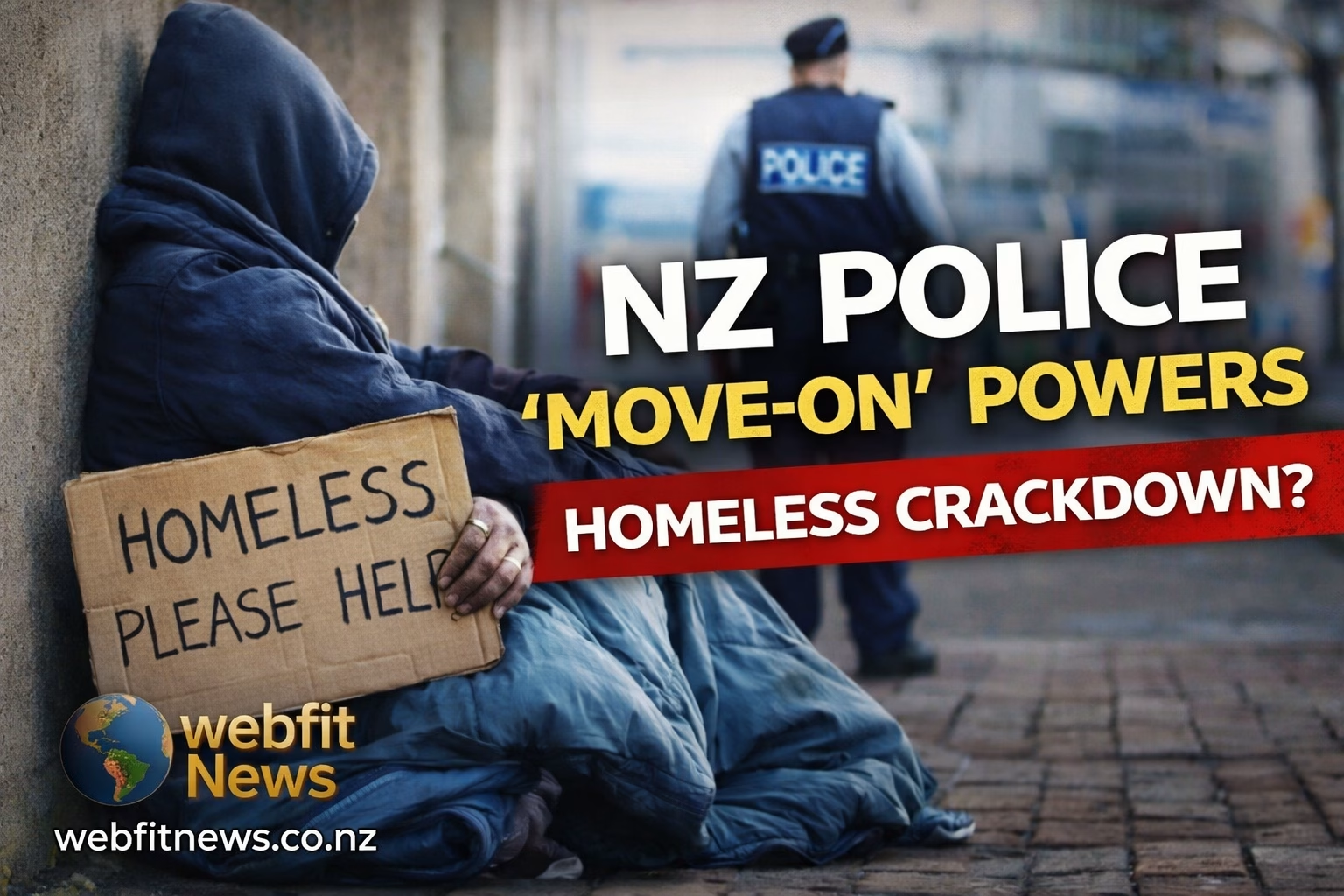
A new proposal by the New Zealand government to give police the power to “move on” homeless people from public spaces is triggering strong debate across the country.
Supporters say it is about safety and order in city centres. Critics argue it risks targeting the most vulnerable without addressing the real problem.
Webfit News brings you a clear, balanced breakdown of what is happening and why it matters.
What the New Law Proposes
The National-led coalition government has announced plans to amend the Summary Offences Act, allowing police to issue “move-on” orders.
Under this:
- Police can ask individuals to leave an area for up to 24 hours
- Orders can apply to people seen as disruptive, intimidating, or blocking access
- It may also apply to rough sleepers or people begging in public spaces
- Breaching the order could result in fines up to $2,000 or even imprisonment
The government says this is needed to maintain safety in busy areas like Auckland CBD and tourist locations.
Government’s Position
Officials argue that public spaces must feel safe and accessible.
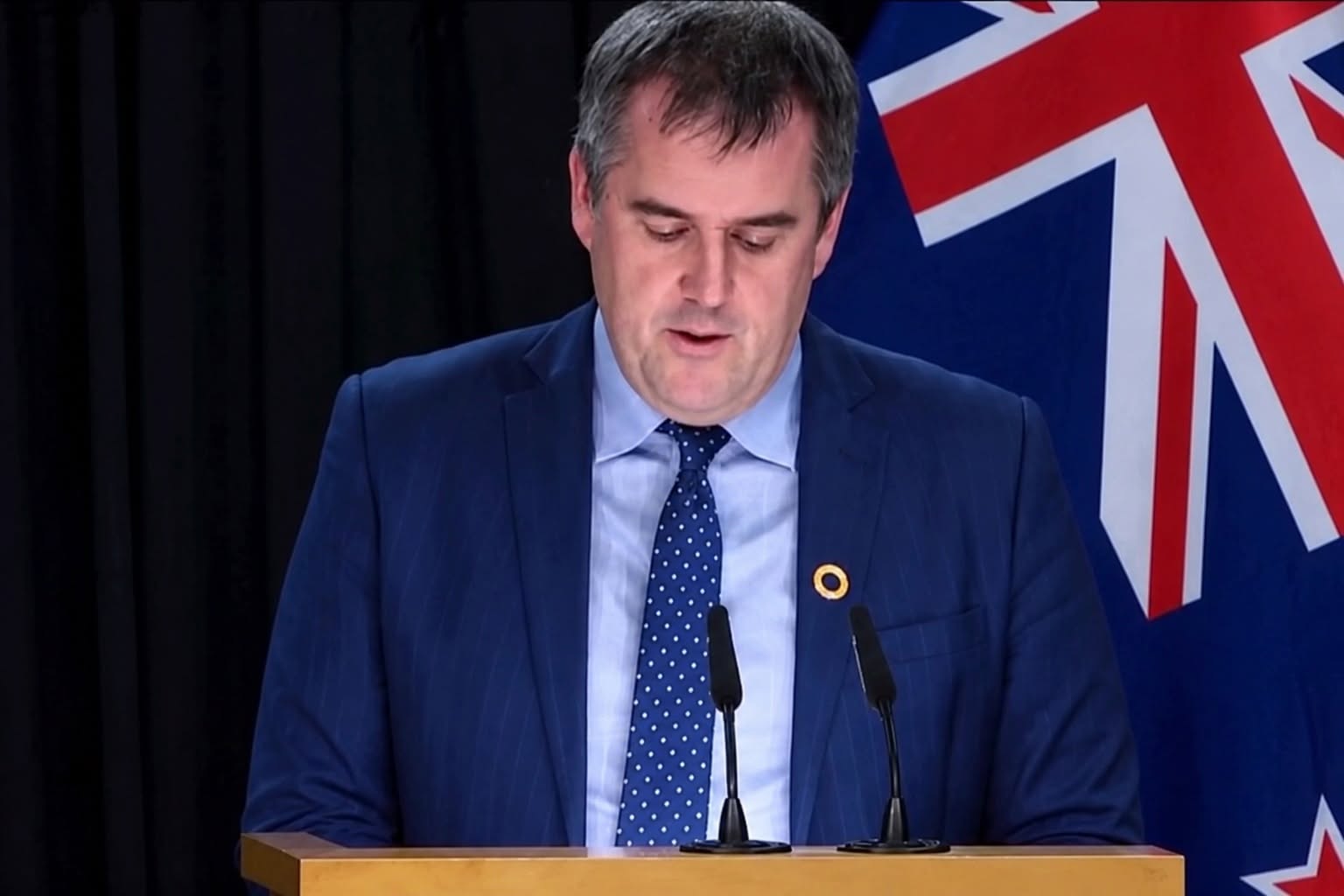
Prime Minister Christopher Luxon has previously pointed to concerns about safety perceptions in city centres, especially with growing tourism and major infrastructure projects like the City Rail Link.
Business groups have also raised concerns about the visibility of homelessness in commercial areas, saying it affects foot traffic and overall city experience.
From the government’s perspective, this policy is about restoring confidence in public spaces.
Concerns from Advocacy Groups
On the other side, civil liberties groups and housing advocates are pushing back strongly.
They argue:
- The law could effectively criminalise homelessness
- It does not solve housing shortages
- It may simply shift people from one area to another
The Council of Civil Liberties has warned that such powers may conflict with basic rights, including freedom of movement.
There is also concern about how these powers will be used in practice and whether vulnerable groups will be disproportionately affected.
The Bigger Issue: Housing Crisis
Let us not pretend this issue exists in isolation.
New Zealand’s housing situation has been under pressure for years:
- High housing costs compared to income
- Long waiting lists for public housing
- Rising number of people experiencing homelessness
Data suggests that rough sleeping has increased significantly in recent years, especially in urban centres like Auckland.
Researchers have also pointed out that homelessness is not just about people on the streets. Many are living in overcrowded or unstable housing conditions.
So the real question is simple:
👉 Are we solving the problem, or just moving it out of sight?
Political Reactions
Opposition parties, including Labour and the Greens, have criticised the proposal.
They argue that enforcement-based approaches risk worsening the situation without tackling root causes like:
- Lack of affordable housing
- Mental health support gaps
- Cost of living pressures
However, critics also point out that homelessness increased during previous governments as well, showing this is a long-term systemic issue, not a new one.
Webfit News Perspective
Here is the uncomfortable truth.
This is not just a law-and-order issue. It is a visibility problem.
When homelessness becomes visible in city centres, it creates pressure from businesses and the public. Governments respond with control measures.
But visibility is not the cause. It is the symptom.
If housing remains unaffordable and support systems stay stretched, policies like this will only push the issue around, not solve it.
At the same time, ignoring safety concerns in public spaces is also not realistic.
So the real challenge is balance:
👉 How do you maintain safe cities without targeting people who have nowhere else to go?
That is the debate New Zealand now needs to have honestly.
Conclusion
The proposed “move-on” powers are likely to become a major national conversation in the coming months.
Because this is bigger than policing.
It is about how a country treats its most vulnerable people, while also managing public safety and economic confidence.
And right now, New Zealand is trying to figure out where that line should be.
References
- Original reporting by World Socialist Web Site
- Additional context from RNZ and public statements referenced within source material