In Aotearoa New Zealand, longevity is not merely a question of years lived but of biological age preserved. Modern geroscience no longer measures aging by chronology alone. It tracks oxidative stress, inflammatory burden, glycation damage, and epigenetic markers that reveal how rapidly the body is deteriorating at the cellular level. Within New Zealand’s ecological context, shaped by high ultraviolet radiation, nutrient-rich soils, and a legacy of Māori rongoā knowledge, nutrition has emerged as a central determinant of whether aging accelerates or slows.
The Molecular Drivers of Accelerated Aging
Biological decline is largely driven by three interconnected processes: oxidative stress, chronic low-grade inflammation, and the accumulation of advanced glycation end-products. Oxidative stress occurs when reactive oxygen species overwhelm antioxidant defenses, damaging membranes, proteins, and DNA. Inflammaging describes persistent systemic inflammation that underpins cardiovascular disease, neurodegeneration, and muscle loss. Glycation, triggered by high sugar intake and high-heat cooking, cross-links collagen and elastin, leading to arterial stiffness and visible skin aging.
Effective nutritional countermeasures activate endogenous antioxidant systems, particularly the Nrf2 pathway, modulate inflammatory signaling, and limit glycation load.
| Beverage Category | Longevity Impact | Key Bioactives | Recommended Intake |
| Water | Essential | None | 4–6 cups/day |
| Kawakawa Tea | Highly Protective | Pellitorine, Dopamine | 1–2 cups/day |
| Blackcurrant Juice | Highly Protective | Anthocyanins (Nrf2) | 100–200 ml/day |
| Caffeinated Coffee | Protective (Moderate) | Chlorogenic acids | 1–3 cups/day |
| Green/Black Tea | Protective | Catechins, L-theanine | 2–4 cups/day |
| Fizzy Drinks/Cola | Accelerated Aging | Refined Sugars | Avoid |
| Alcohol | Risk Factor | Ethanol | Minimal/None |
Native Marine Bioactives: Structural Preservation from the Sea
Greenshell™ Mussels (Perna canaliculus)
New Zealand’s Greenshell™ mussel stands as one of the most studied marine longevity foods. Rich in EPA and DHA omega-3 fatty acids, along with glycosaminoglycans, these mussels support cartilage hydration and joint lubrication. Clinical trials at Massey University demonstrated improved joint comfort among post-menopausal women supplementing with mussel powder.
Beyond joint protection, Greenshell™ mussels provide selenium and niacin. Selenium supports antioxidant defense and thyroid regulation. Niacin participates in DNA repair and cellular metabolism. Their protein matrix also enhances iron bioavailability, offering a lower-inflammation alternative to red meat.
New Zealand King Salmon (Oncorhynchus tshawytscha)
King Salmon contains higher concentrations of long-chain omega-3 fats than many imported varieties. These lipids reduce inflammatory signaling, protect cardiovascular tissue, and support cognitive resilience. Its astaxanthin content, a carotenoid antioxidant, provides systemic photoprotection against UV-induced dermal damage, an especially relevant factor in New Zealand’s high UV environment.
Botanical Resilience: Adaptive Phytochemicals from NZ Flora
| Nutrient Target | Vegetarian/Vegan Sources (NZ) | Non-Vegetarian Sources (NZ) |
| Complete Protein | Hemp seeds, Quinoa, Soy (Tofu) | Eggs, Mussels, Venison, Salmon |
| Omega-3 Fats | Walnuts, Chia, Algae oil | King Salmon, Sardines, Mussels |
| Iron/Zinc | Lentils, Pumpkin seeds, Spinach | Lean Beef, Lamb, Oysters |
| Calcium | Fortified Plant Milks, Almonds | Low-fat Yoghurt, Cheese, Milk |
| Vitamin B12 | Fortified Marmite, Yeast | Liver, Fish, Eggs, Beef |
| Antioxidants | Blackcurrants, Kiwifruit, Feijoa | Salmon (Astaxanthin), Pasture-raised yolks |
New Zealand Blackcurrants
New Zealand blackcurrants contain unusually high concentrations of anthocyanins. These compounds activate Nrf2, a transcription factor regulating more than 200 genes involved in antioxidant and anti-inflammatory defense. Rather than acting merely as passive antioxidants, they enhance the body’s intrinsic resilience to oxidative insult. Clinical observations show improvements in vascular function, lung capacity, and cognitive alertness.
Kiwifruit
Gold kiwifruit delivers high levels of Vitamin C, a critical cofactor in collagen synthesis. Adequate collagen maintenance preserves dermal elasticity and vascular integrity. The enzyme actinidin improves protein digestion, while prebiotic fibers support gut microbiome balance, a cornerstone of immune regulation and metabolic stability.
Feijoa
Feijoa provides fiber, folate, and ellagitannins, polyphenols associated with liver protection and modulation of inflammatory cytokines. Emerging research suggests potential protective effects against gastrointestinal inflammation.
Rongoā Māori and Functional Honey
| Cooking Method | Food Item | AGE Content (kU/serving) | Relative Aging Risk |
| Grilled | Steak (Beef) | 10,000 | Extreme |
| Deep-Fried | Chicken (with skin) | 7,000 – 9,000 | Very High |
| Pan-Fried | Bacon | 8,000 | Very High |
| Toasted | White Bread/Bagel | 100 | Moderate |
| Roasted | Walnuts/Nuts | 2,000 – 3,000 | Moderate |
| Poached/Boiled | Chicken Breast | 1,000 | Low |
| Steamed | Vegetables | <20 | Minimal |
Kawakawa (Piper excelsum)
Kawakawa leaves contain bioactive metabolites such as pellitorine and yangambin. These compounds demonstrate anti-inflammatory and cardioprotective effects. Research indicates kawakawa may influence insulin response and modulate microRNAs involved in cytokine signaling, directly addressing mechanisms of inflammaging.
Mānuka and Kānuka Honey
Mānuka honey’s methylglyoxal content confers antibacterial activity, while Kānuka honey contains immunostimulatory arabinogalactan proteins. Both provide antioxidant protection and support gut barrier function. Used judiciously, they offer therapeutic benefit without excessive sugar exposure.
The Pro-Aging Metabolic Trap
| Food Source | Primary Bioactives | Biological Aging Targets | Health Implications |
| Greenshell™ Mussels | EPA, DHA, GAGs, Selenium, Niacin | Joints, DNA repair, Thyroid | Reduced arthritis symptoms, improved skin barrier |
| King Salmon | Omega-3 (EPA/DHA), Astaxanthin | Cardiovascular, Brain, Skin | Heart health, neuroprotection, UV resilience |
| Sardines/Mackerel | Omega-3, Vitamin D, Calcium | Bone density, Inflammation | Fracture prevention, immune modulation |
| Oysters/Shellfish | Zinc, Iron, B12 | Immune function, Energy, Repair | Enhanced wound healing, anemia prevention |
High-Heat Cooking and AGEs
Barbecue culture and frequent frying significantly increase dietary advanced glycation end-products. A grilled steak can contain up to 10,000 kU of AGEs per serving, compared with negligible levels in steamed vegetables. These compounds accelerate vascular stiffening and collagen degradation.
Excess Sugar and Epigenetic Acceleration
High consumption of sugar-sweetened beverages contributes to insulin resistance and has been associated with accelerated epigenetic aging in young adults. Over half of New Zealand adults exceed the recommended sugar intake, largely through soft drinks and processed beverages.
Fiber Deficit and Processed Meats
Low fiber intake disrupts gut microbiome diversity and promotes systemic inflammation. Processed meats, high in sodium and nitrates, contribute to vascular stress and hypertension, compounding biological aging.
Vegetarian and Non-Vegetarian Longevity Protocols
| Fruit Category | Key NZ Fruit | Active Compound | Anti-Aging Mechanism |
| Berries | NZ Blackcurrants | Anthocyanins (Nrf2) | Master antioxidant regulation, vascular health |
| Citrus/Tropical | Gold Kiwifruit | Vitamin C, Actinidin | Collagen production, protein digestion |
| Stone Fruit/Pulp | Feijoa | Ellagitannins, Folate | Liver protection, DNA methylation support |
| Vine Fruit | Grapes (Skin/Seeds) | Resveratrol | SIRT1 activation, glycation inhibition |
| Fleshy Fruit | Avocado | Monounsaturated fats, Vit E | Skin moisture, cell membrane integrity |
Vegetarian Strategy
Plant-based diets provide abundant antioxidants and fiber but require attention to protein quality and micronutrients. Hemp seeds, quinoa, and soy offer complete amino acid profiles. Omega-3 needs may require algae-derived supplementation. Iron absorption improves when paired with Vitamin C-rich foods like kiwifruit.
Non-Vegetarian Strategy
Lean venison, skinless poultry, and especially bioactive seafood such as Greenshell™ mussels and King Salmon provide highly bioavailable protein, B12, iron, and omega-3 fats. Cooking methods should favor steaming, poaching, and low-temperature preparation to limit glycation load.
Hydration and Longevity
Adequate fluid intake, particularly in older adults, is essential for cognitive clarity and digestive function. Moderate coffee consumption has been associated with preserved physical and mental function, likely due to chlorogenic acids. Tea catechins support cardiovascular health. Sugar-sweetened beverages and excessive alcohol accelerate oxidative stress and sleep disruption, undermining regenerative capacity.
Conclusion: A Regenerative Blueprint for Aotearoa
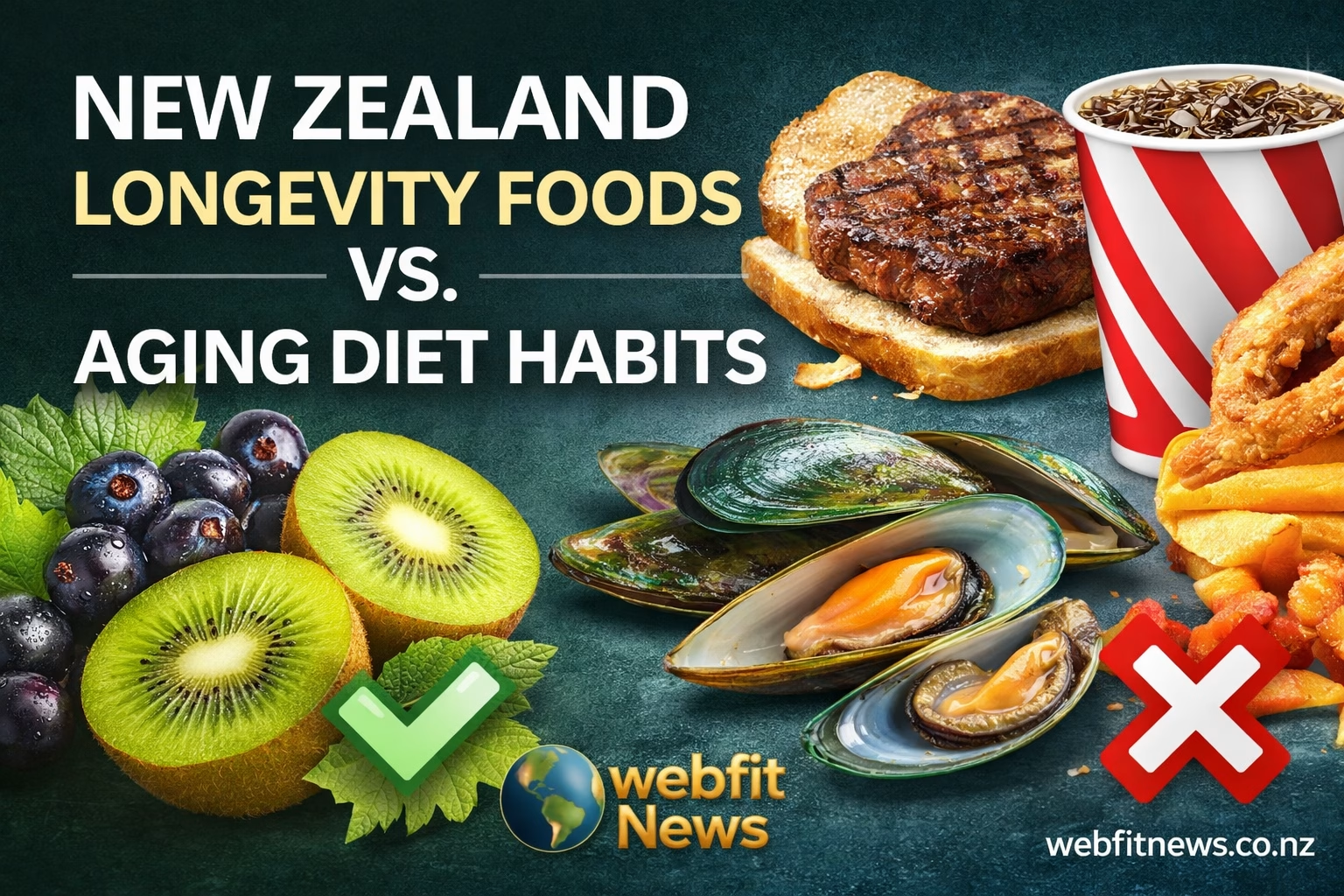
The evidence from nutritional epidemiology in New Zealand points toward a clear dual strategy. First, integrate high-potency native bioactives such as Greenshell™ mussels, King Salmon, blackcurrants, kiwifruit, kawakawa, and carefully used functional honeys. Second, systematically reduce pro-aging exposures, including high-heat cooking, sugar-sweetened beverages, processed meats, and fiber deficiency.
Longevity in Aotearoa is not an imported formula. It is rooted in the land and sea. When dietary patterns align with native resilience and modern metabolic science, biological age can lag behind chronological years, extending not just lifespan but healthspan within the distinctive ecological landscape of New Zealand.
Disclaimer: This article is for general informational purposes only and is not intended as medical, nutritional, or professional health advice; readers should consult a qualified healthcare provider for personalised guidance.