Introduction
As spring arrives in many parts of the world, millions of people come together to celebrate Nowruz, the Persian New Year, a festival that is more than 3,000 years old.
In 2026, Nowruz is being celebrated on 20 March, marking the moment of the spring equinox, when day and night are equal.
From Iran to India, and across diaspora communities in New Zealand and beyond, Nowruz is not just a new year. It is a celebration of life, renewal, and hope.
What is Nowruz?
Nowruz, which means “new day,” is one of the oldest continuously celebrated festivals in human history.
It has its roots in ancient Persia and is deeply connected to Zoroastrian traditions, where nature and the changing seasons play a central role.
Today, Nowruz is celebrated by over 300 million people worldwide, including communities in:
- Iran
- Afghanistan
- Central Asia
- Parts of the Middle East
- India, especially among the Parsi community
Despite cultural differences, the core message remains the same:
a fresh start, a clean slate, and a renewed connection with nature.
The Beautiful Traditions Behind Nowruz
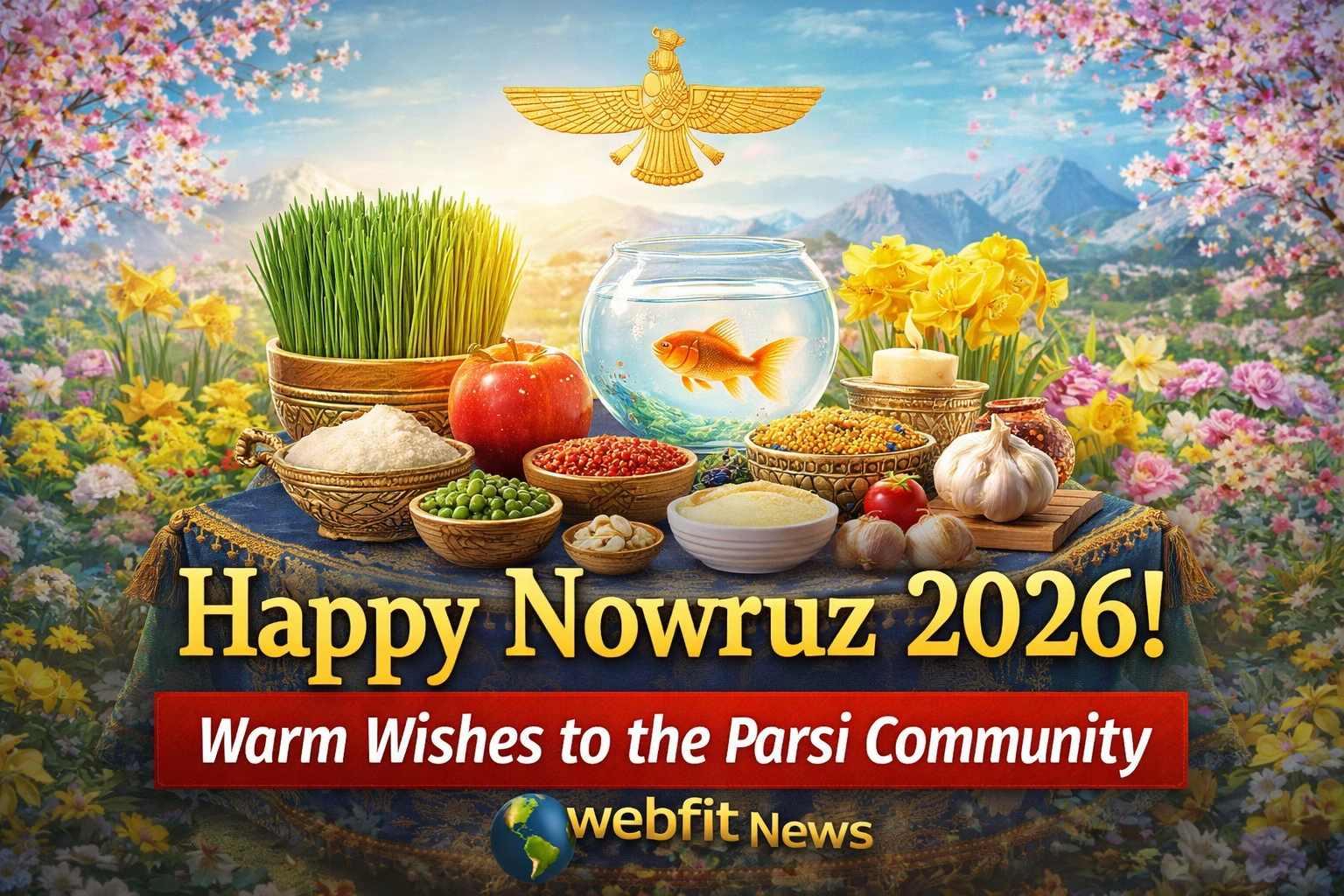
One of the most iconic parts of Nowruz is the Haft-Seen table, a carefully arranged display of seven symbolic items.
Each item represents a value for the new year:
- Sabzeh (sprouts): growth and rebirth
- Seer (garlic): health and protection
- Seeb (apple): beauty
- Samanu (sweet pudding): strength and power
- Senjed (dried fruit): love
- Sumac: sunrise and patience
- Serkeh (vinegar): wisdom and aging
Families gather around this table, exchange wishes, and spend time together.
Other traditions include:
- Cleaning homes before the new year
- Wearing new clothes
- Visiting friends and relatives
- Sharing festive meals
It is not just a ritual. It is a reset of both home and mind.
Nowruz and the Parsi Community
In India and across the world, the Parsi community celebrates Nowruz with deep pride and cultural richness.
Parsis, who follow Zoroastrianism, have preserved these traditions for centuries.
For them, Nowruz is:
- A spiritual renewal
- A time for prayers and gratitude
- A moment to strengthen family bonds
Special dishes are prepared, homes are decorated, and people visit fire temples to offer prayers.
Even in countries like New Zealand, Parsi families continue to celebrate Nowruz, keeping their heritage alive while embracing a global identity.
Nowruz in New Zealand
New Zealand’s multicultural society means festivals like Nowruz are increasingly visible and celebrated.
From small family gatherings to community events, the spirit of Nowruz is growing across Auckland and other cities.
For many migrants, it is also an emotional moment.
A connection to home.
A reminder of identity.
And a way to pass traditions to the next generation.
Why Nowruz Still Matters Today
In a fast-moving, often stressful world, Nowruz brings a simple but powerful message:
Pause. Reset. Begin again.
It reminds us that:
- Every ending brings a new beginning
- Nature follows cycles, and so do we
- Renewal is always possible
At a time when global tensions and uncertainties are rising, festivals like Nowruz offer something rare.
Hope.
Webfit News Perspective
This is where most people get it wrong.
They see Nowruz as just another cultural festival.
But it is much bigger than that.
Nowruz is a reminder that no matter how complex the world becomes, human values remain simple.
Family. Renewal. Gratitude. Hope.
In a country like New Zealand, where diverse cultures live together, celebrations like Nowruz are not just important for one community.
They are important for all of us.
Because they teach us how to live, not just how to celebrate.
Conclusion
As Nowruz 2026 begins, it brings with it a timeless message.
A chance to reflect.
A chance to reset.
A chance to move forward with positivity.
🌸 Warm Wishes from Webfit News
Webfit News wishes all our Parsi brothers and sisters, and everyone celebrating around the world, a very Happy Nowruz.
May this new year bring:
- Good health
- Happiness
- Prosperity
- And new beginnings