Thirty-nine memorial headstones have been delivered to Niue to honour local servicemen who volunteered to serve with New Zealand forces during the First World War.
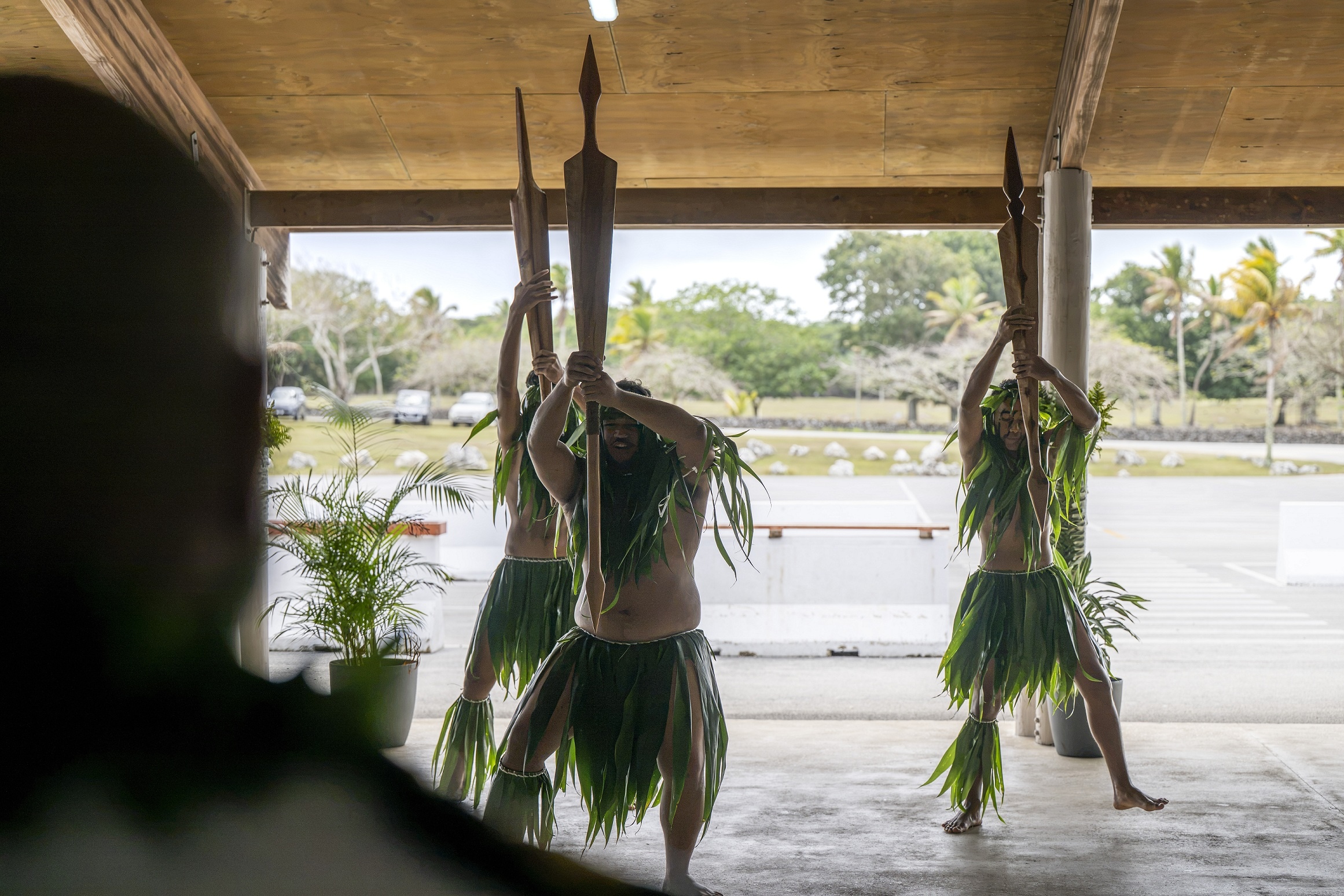
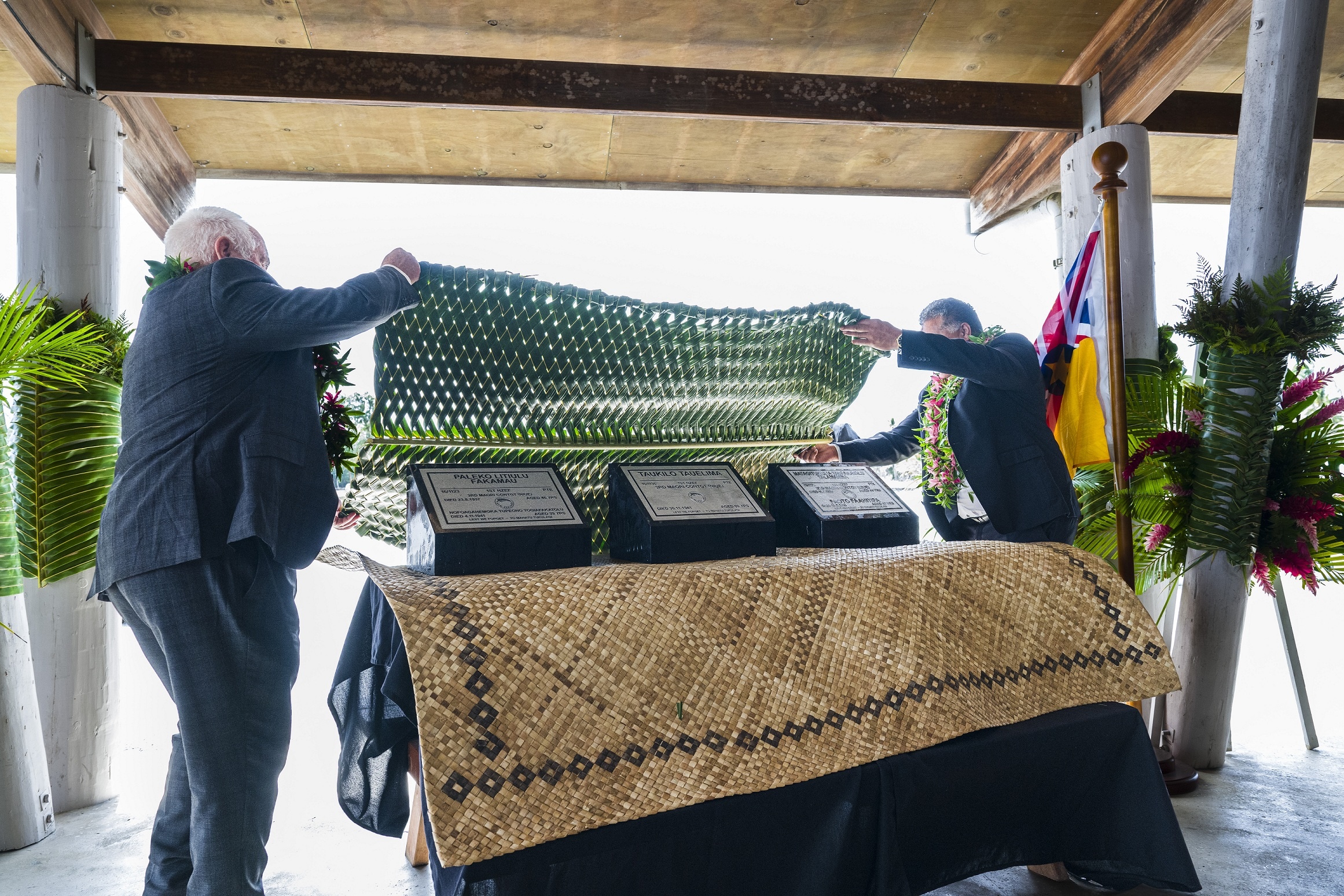
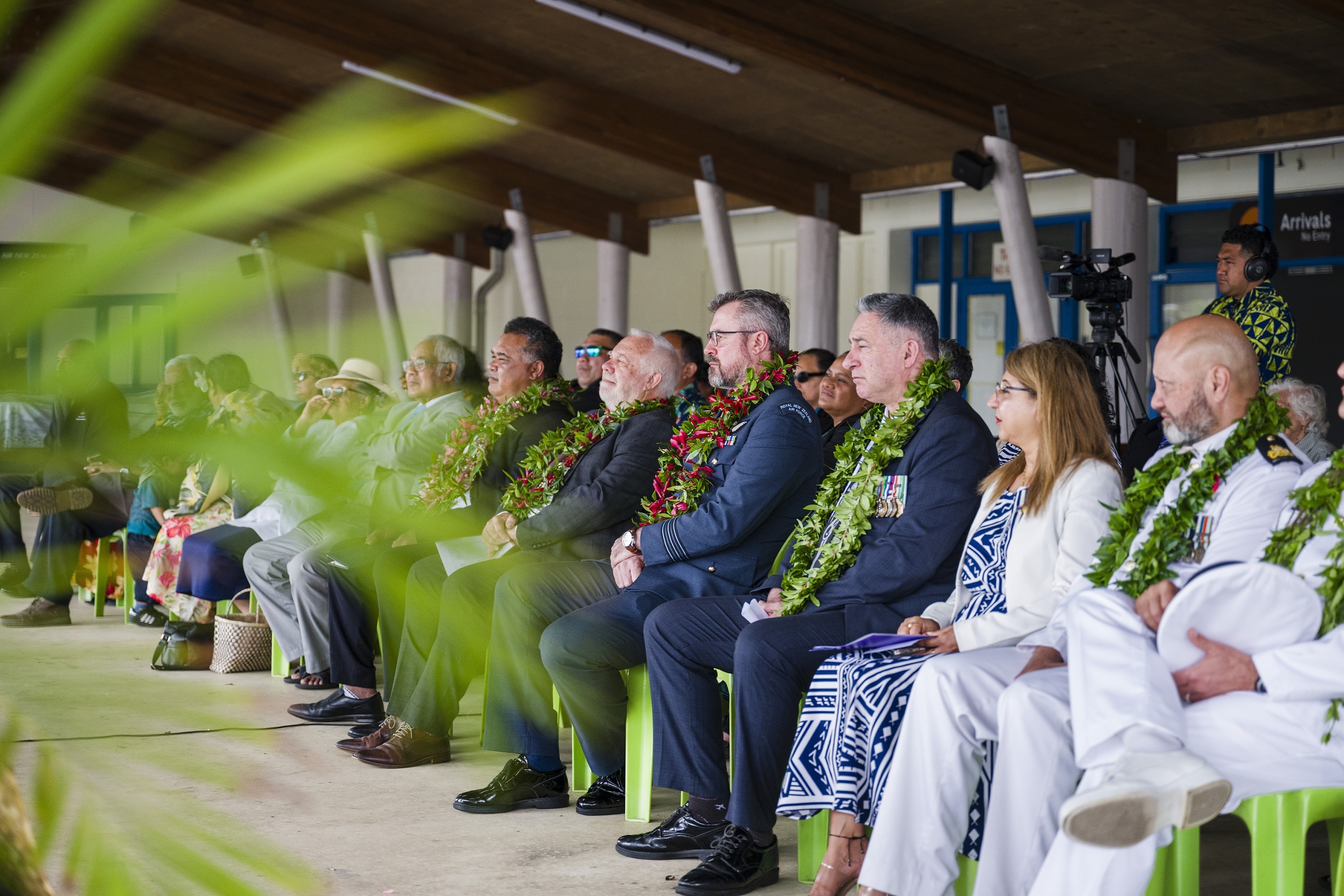
The headstones were transported to Niue aboard a Royal New Zealand Air Force C-130J Hercules and formally handed over to the Government of Niue and the Niue Returned Services Association at a ceremony in Alofi.
They will be installed in villages around Niue, creating permanent places where families, descendants and local communities can remember the men who served with the New Zealand Expeditionary Force as part of the New Zealand Pioneer Battalion.
The project brings renewed attention to a chapter of Pacific military history that is often little known outside Niue.
Around 150 Niuean men volunteered for service during the First World War, representing about 4 percent of the island’s population at the time.
For such a small community, that was an extraordinary contribution.
Service came at a heavy cost
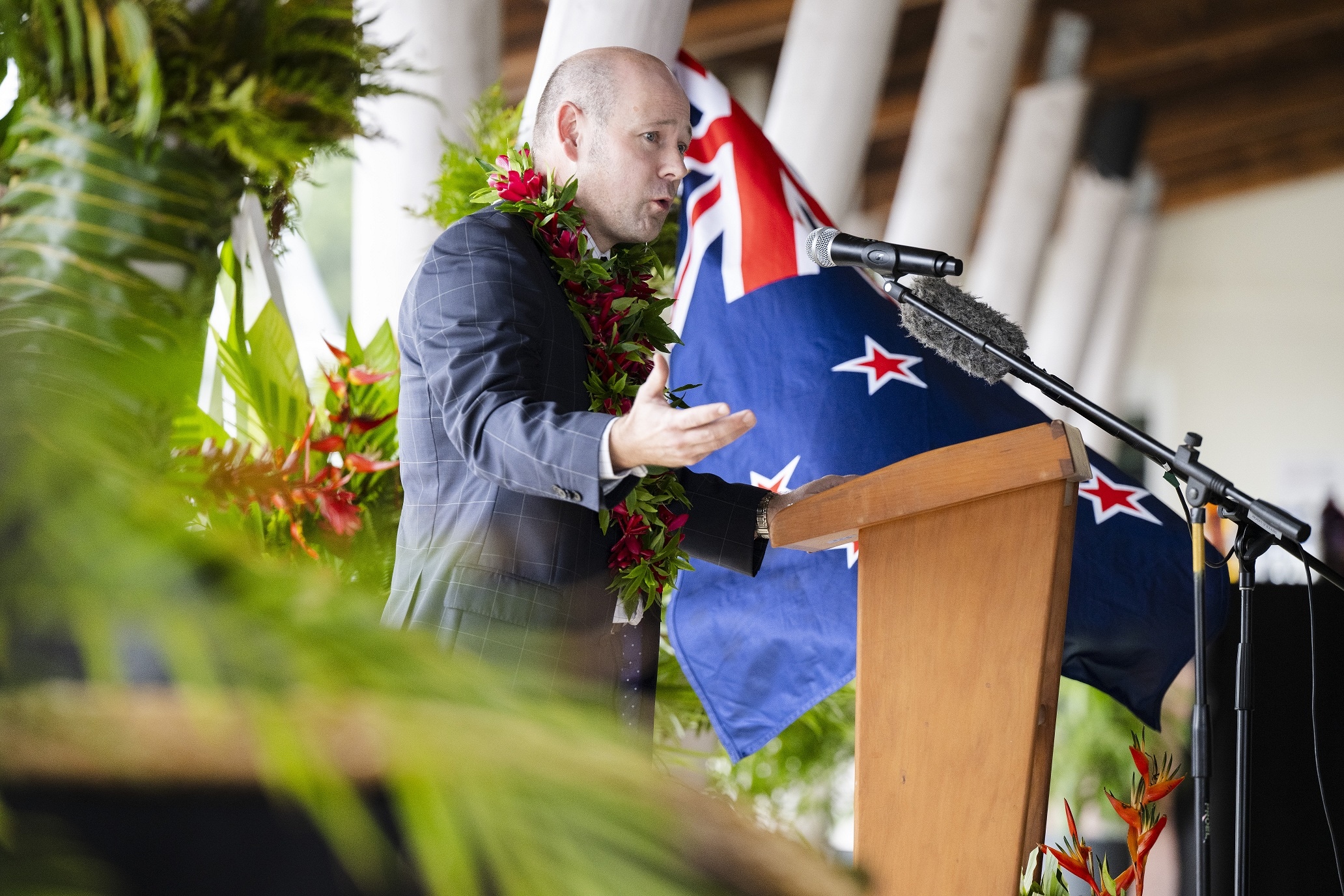
Head of Veterans’ Affairs New Zealand Alexander Brunt said Niue’s sacrifice during the war was immense.
Many of the men who left the island faced not only the dangers of military service but also illnesses and physical conditions they had never encountered at home.
Their service took them far from the tropical environment they knew and into unfamiliar climates, crowded camps and wartime conditions.
Some did not return.
Brunt said the new memorials were intended to give descendants a lasting place to honour those losses.
“We hope that these memorials will help the descendants of your veterans preserve the special places where they honour and remember the loved ones they lost, their courage, service and sacrifice.”
The project is therefore about more than installing headstones.
It is also about preserving family memory and making sure the names and service of Niuean veterans remain visible within the communities they came from.
A significant contribution from a small island
The scale of Niue’s contribution is striking when measured against its population.
| Detail | Figure |
|---|---|
| Niuean servicemen who volunteered in the First World War | About 150 |
| Share of Niue’s population at the time | Around 4% |
| Memorial headstones delivered | 39 |
| Transport | RNZAF C-130J Hercules |
| Installation locations | Villages across Niue |
Four percent of the population volunteering for military service would represent a major national commitment even in a much larger country.
For Niue, where communities were small and closely connected, the departure of so many men would have been deeply felt.
The impact would also have extended beyond the servicemen themselves to parents, partners, children and villages waiting for their return.
Memorials will be placed in local villages
The 39 headstones will not be concentrated in a single national memorial site.
Instead, they will be placed in villages across Niue.
That approach gives the project a particularly local character.
The memorials will sit close to the communities and families connected to the men being remembered, rather than separating their stories from the places where they lived.
The New Zealand High Commission will support installation of the headstones as the project moves into its next stage.
Veterans’ Affairs New Zealand, the New Zealand Defence Force and the Ministry of Foreign Affairs and Trade worked alongside the Government of Niue and the Niue RSA to deliver the project.
Military connection continues today
The New Zealand Defence Force was represented at the handover by Wing Commander Adam O’Rourke.
He said it was a privilege to accompany the headstones and recognise the legacy of the Niuean men who served with the New Zealand Expeditionary Force.
“Their service forged an enduring bond between Niue and New Zealand, carried forward by the Niuean coastwatchers of the Second World War,” O’Rourke said.
That military connection did not end with the two world wars.
New Zealanders of Niuean heritage continue to serve in the NZDF today.
O’Rourke said the defence relationship between Niue and New Zealand had continued to evolve as both countries responded to changing needs in the Pacific.
That gives the memorial project a present-day significance as well as a historical one.
It links a generation that served more than a century ago with Niuean families and service personnel today.
A part of New Zealand’s war story that deserves recognition
The First World War is usually remembered in New Zealand through Gallipoli, the Western Front and the enormous losses suffered by New Zealand communities.
Pacific participation can receive less public attention.
But Niuean service was part of the same wider story.
Men from a small Pacific island volunteered to join a military force operating thousands of kilometres from home, despite limited familiarity with the conditions they would face.
Their experience also highlights how military service affected Pacific communities differently.
The risks were not only battlefield risks.
Disease, climate and unfamiliar living conditions could be equally dangerous.
That makes the effort to preserve individual graves and memorial sites especially important.
Remembering people, not just numbers
Historical accounts often reduce wartime service to numbers: troops deployed, casualties recorded, units formed.
Memorial headstones do something different.
They return attention to individuals.
Each marker represents a person who left a family and village behind.
For descendants, that can make history more tangible than a name in an archive or a figure in a wartime record.
The installation of these headstones across Niue will therefore create permanent points of remembrance within everyday community spaces.
More than a century after the First World War, the project ensures those stories remain visible.
For Niue, it is recognition of a sacrifice that was enormous in proportion to the size of the island.
For New Zealand, it is another reminder that the country’s military history has always included strong Pacific connections.
Source: Veterans’ Affairs New Zealand and New Zealand Defence Force.