
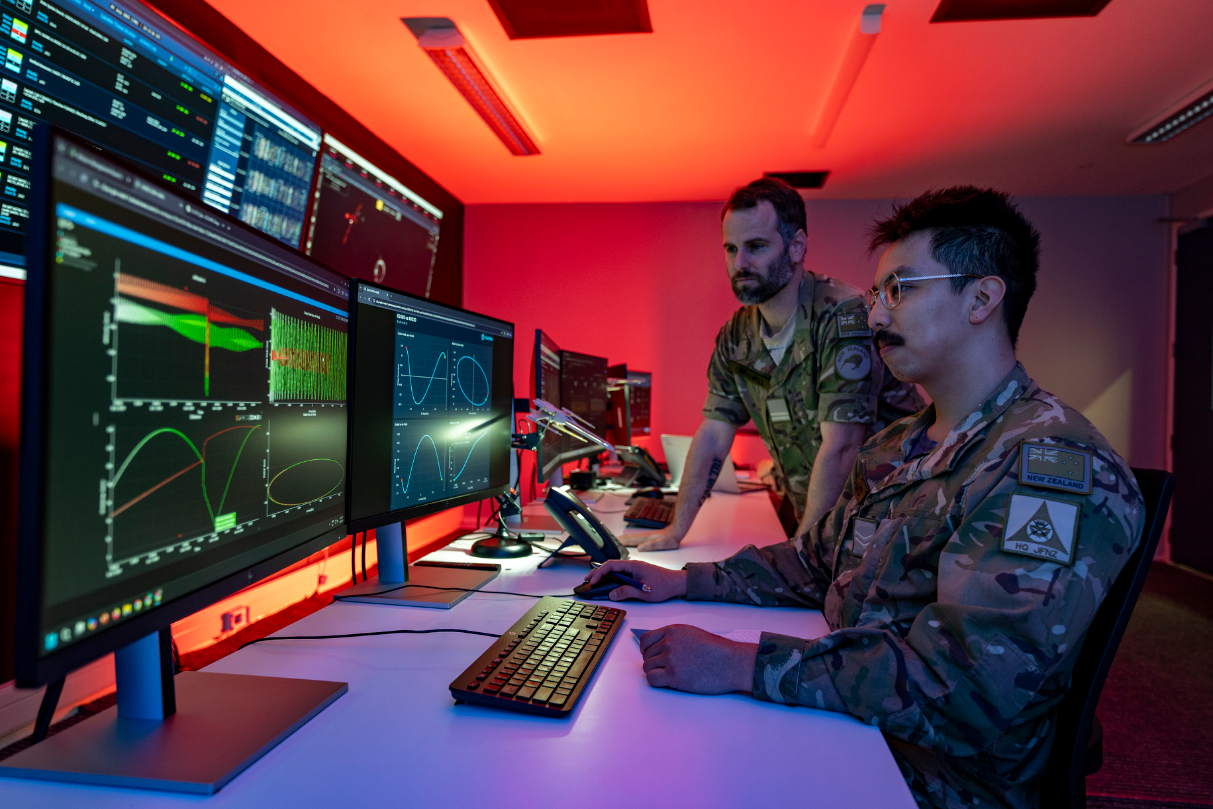
New Zealand and Australia are strengthening their defence partnership with a new agreement focused on military cooperation in space.
The Royal New Zealand Air Force and the Australian Defence Force’s Space Command have formally endorsed a shared Space Vision Statement following inaugural space talks in Wellington.
The agreement reinforces the long-standing Anzac defence relationship and sets out a practical framework for closer cooperation as space becomes increasingly important to modern military operations.
Space-based systems now support communications, navigation, intelligence, surveillance, and command and control, making them a critical part of defence capability.
The new statement reflects a shared commitment by New Zealand and Australia to build stronger capability, improve operational readiness, and work more closely in an increasingly complex strategic environment.
What the agreement will focus on
The Space Vision Statement sets out several key areas for cooperation.
These include:
- building greater personnel interchangeability
- improving capability integration
- strengthening operational readiness
- developing a coordinated approach to space operations
The aim is to make it easier for New Zealand and Australian defence personnel, systems, and capabilities to work together effectively when required.
That could include closer training, greater information sharing, and stronger alignment between the two countries’ developing military space capabilities.
New Zealand builds its own space capability
The agreement comes as New Zealand continues to expand its military presence in the space domain.
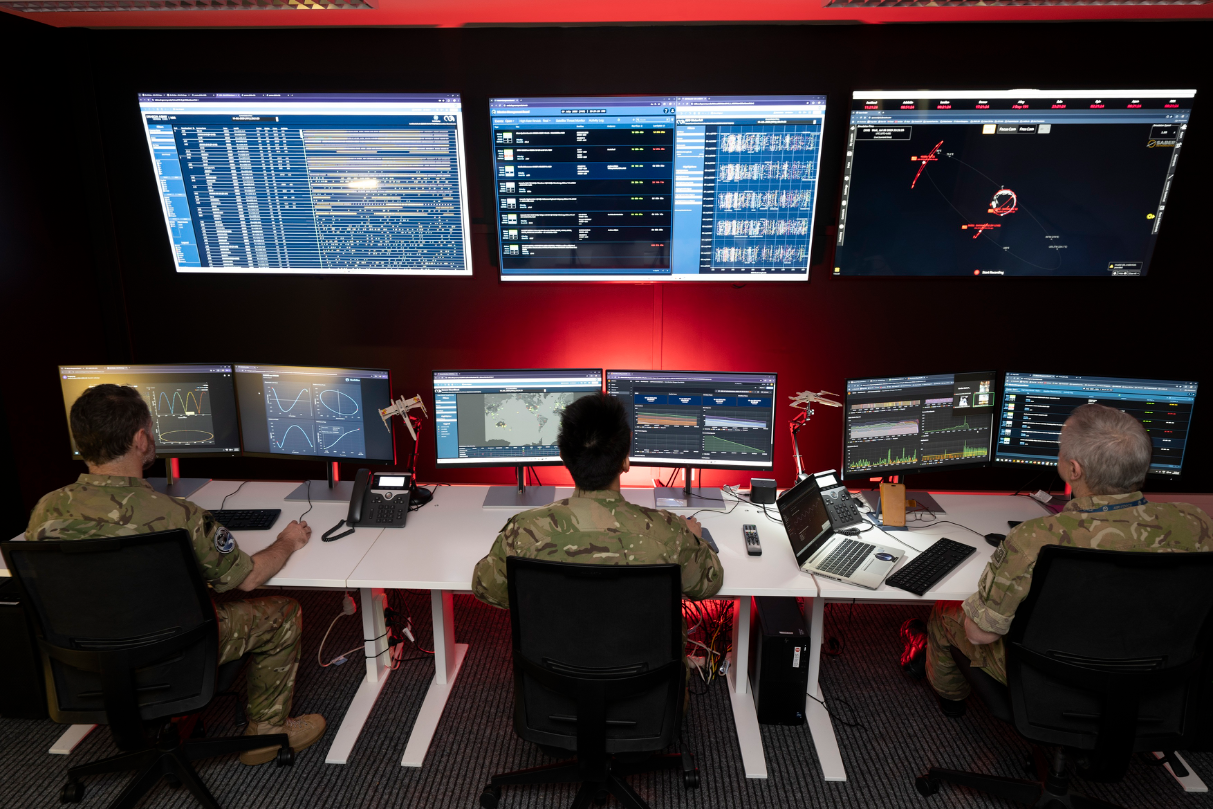
Last year, the RNZAF established No. 62 Squadron, New Zealand’s first dedicated space unit.
The squadron was created with a focus on understanding space activity and developing specialist capability within the New Zealand Defence Force.
RNZAF Air Component Commander Air Commodore Andy Scott said military space operations were developing rapidly.
“Last year the RNZAF stood up No. 62 Squadron, our first dedicated space unit, with a focus on understanding space activity. It was a landmark step into the international arena, and this is another. We will be working closely with our ally Australia to establish new standards for international defence collaboration.”
The establishment of No. 62 Squadron marked an important shift for the RNZAF, adding space to an organisation traditionally focused on air operations.
Why space is becoming more important to defence
Modern military operations depend heavily on space-based technology.
Satellites support secure communications, navigation, intelligence gathering, surveillance, and coordination across land, sea, and air operations.
As defence systems become more connected and technologically advanced, reliable access to space-based services is becoming increasingly important.
The strategic environment is also becoming more complex, increasing the importance of resilience, trusted partnerships, and the ability of allied defence forces to operate together.
For New Zealand and Australia, the new agreement is intended to strengthen that cooperation rather than develop separate capabilities in isolation.
Australia brings deeper space experience
Australia has invested more heavily in military space capability and has established dedicated structures within the Australian Defence Force.
Closer cooperation gives New Zealand an opportunity to develop expertise alongside a larger and more established defence partner.
At the same time, Australia gains from deeper integration with one of its closest allies.
Australian Defence Force Space Commander Major General Greg Novak said the agreement demonstrated the growing importance of trusted partnerships.
“This statement provides a practical framework for growing our shared expertise, enhancing interoperability and developing the next generation of military space professionals.”
Interoperability will be a major part of the partnership.
It refers to the ability of personnel, systems, and capabilities from both countries to operate together effectively during joint activities or operations.
A new direction for the Anzac defence relationship
New Zealand and Australia already have one of the closest defence relationships in the region.
Their military cooperation has traditionally centred on land, sea, and air operations, joint exercises, training, and regional security.
The Space Vision Statement extends that relationship into a rapidly developing area of defence.
It also reflects a wider shift in how modern militaries operate, with space now closely connected to almost every major defence function.
For New Zealand, the agreement gives the RNZAF a clearer pathway to develop specialist skills, strengthen international cooperation, and integrate its emerging space capability with Australia.
For both countries, the focus will now move from signing the statement to turning it into practical cooperation through training, capability development, and operational planning.
The agreement marks another step in the evolution of the Anzac partnership, with New Zealand and Australia now extending their defence cooperation beyond land, sea, and air into space.
Source: New Zealand Defence Force