
By Webfit News Desk
January 2, 2026
Before the speeches, before the medals, and before the formal titles, there is something else behind every honour.
Whānau.
Years of quiet work.
And a service that rarely seeks recognition.
The 2026 New Year Honours List does more than name individuals. It tells a wider story about Māori leadership, language revitalisation, community strength, and the people carrying tikanga and identity forward for future generations.
This year, Māori have been recognised across multiple levels of the honours system, reflecting deep contributions to Aotearoa New Zealand’s social, cultural, educational, and civic life.
Māori Recognition Across the Honours System
Māori recipients in the 2026 New Year Honours List include:
- Companions, Officers, and Members of the New Zealand Order of Merit
- Recipients of the King’s Service Order
- Recipients of the King’s Service Medal
The honours span fields such as education, Māori language revitalisation, governance, conservation, business, health, disability advocacy, and the arts.
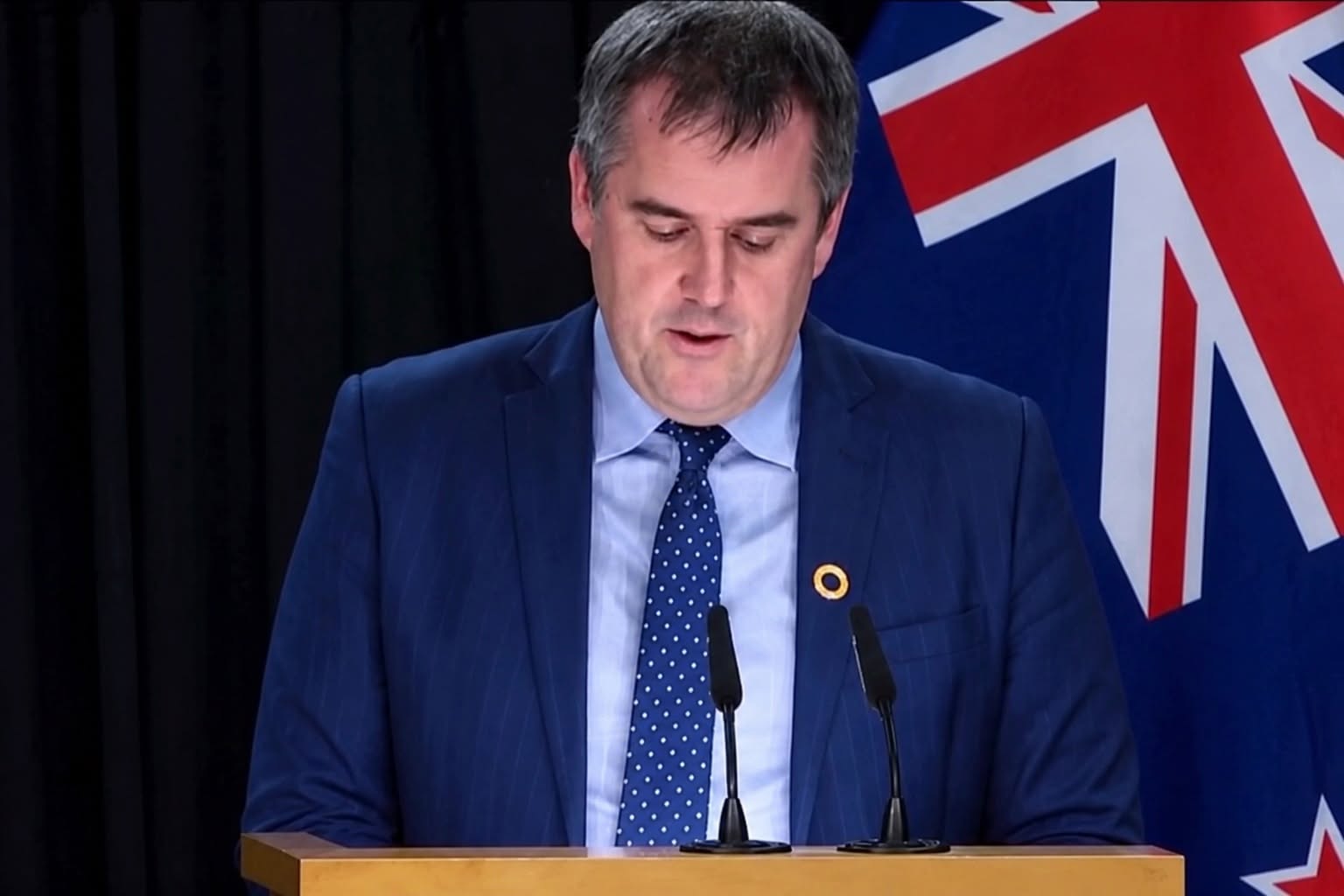
The Minister for Māori Development and Māori Crown Relations, Tama Potaka, praised the recipients for their enduring commitment to Māori advancement.
“These honours demonstrate deep and enduring leadership across iwi, hapū, and whānau,” he said.
Honours Are Never Individual Efforts Alone
Potaka emphasised that while individuals receive recognition, their achievements are rarely achieved in isolation.
“Behind nearly every person awarded today are whānau, partners, children, parents, and communities,” he said.
“These awards reflect stronger whānau and stronger communities.”
He also acknowledged that many more deserving individuals remain unrecognised and will likely appear in future honours lists.
Professor Tom Roa Appointed Companion for Māori Language and Education
One of the most prominent appointments this year is Professor Thomas Charles Roa, who has been made a Companion of the New Zealand Order of Merit for services to Māori language and education.
Professor Roa, a Professor of Māori and Indigenous Studies at the University of Waikato, has spent decades advocating for te reo Māori.
He is one of the founders of Te Wiki o Te Reo Māori, established in the 1970s, and has played a significant role in shaping language revitalisation and Māori education.
Despite the recognition, Roa deflected attention from himself.
“I see as far as I can see because I stand on the shoulders of giants,” he said, acknowledging mentors such as Koro Wētere, Sir Pita Sharples, Sir Tīmoti Kāretu, and Dame Pania Tyson-Nathan.
Full List of Māori Honours Recipients for 2026
Knight Companion
- Rod Drury – services to business, technology, and philanthropy
Companions of the New Zealand Order of Merit
- Professor Thomas Charles Roa – Māori language and education
- Leith Pirika Comer – Māori, governance, and education
- Rachel Emere Taulelei – business, Māori, and governance
- Professor Beverley-Anne Lawton – women’s health
Officers of the New Zealand Order of Merit
- Christina Cowan – Māori and blind or low-vision communities
- Te Warihi Kokowai Hetaraka – Māori and art
- Waihoroi Paraone Hoterene – Māori and Māori language education
Members of the New Zealand Order of Merit
- Roger Bruce Douglas Drummond – rugby and Māori
- Dr Lorraine Shirley Eade – Māori, governance, and community service
- Hori Te Moanaroa Parata – conservation and Māori
- Andrew Ruawhitu Pokaia – Māori and education
- Arihia Amiria Stirling – education and Māori
- Kāren Eirene Johnson – education and human rights
- Gail Henrietta Maria Thompson – Māori and conservation
- Helena Audrey Tuteao – disabilities advocacy and Māori
King’s Service Order
- Mark Joseph Harawira – Māori education, arts, and conservation
King’s Service Medal
- Bonita Joanne Bigham – local government and Māori
More Than Titles, A Reflection of Aotearoa
The 2026 honours highlight the breadth of Māori contribution across New Zealand society, from grassroots community leadership to national influence.
They also reflect an ongoing effort to recognise work that sustains language, culture, identity, and collective wellbeing.
As Aotearoa moves forward, these honours serve as a reminder that progress is often built quietly, over generations, by people who rarely ask for recognition.
Content sourced from RNZ and Scoop.co.nz
Original source: scoop.co.nz