Introduction
It started with two workers finding the courage to speak up.
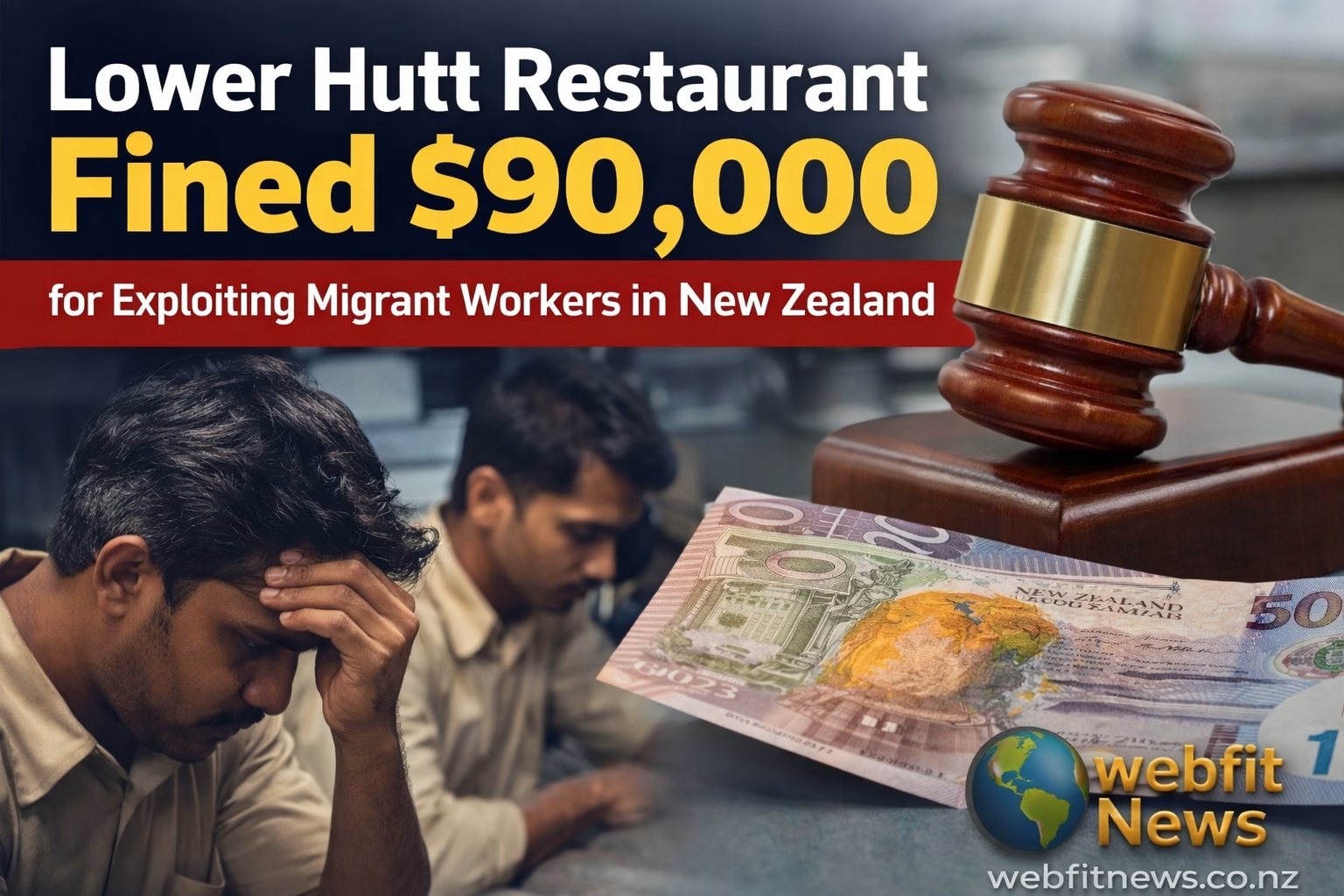
What followed has now led to a strong legal message from New Zealand authorities. A Lower Hutt restaurant has been fined $90,000 after being found guilty of exploiting migrant workers over several years.
The case is not just about one business. It highlights a deeper issue that continues to affect vulnerable workers across the country.
What Happened
The case was heard in the Wellington District Court, where the company pleaded guilty to two charges under the Immigration Act 2009.
These charges were linked to the exploitation of two temporary migrant workers between 2017 and 2021.
Both workers were Indian nationals working in New Zealand on temporary visas.
The Extent of Exploitation
Investigations by the Ministry of Business, Innovation and Employment (MBIE) and Immigration New Zealand (INZ) revealed a clear pattern of unfair treatment.
The workers were:
- Working up to 9 hours a day
- Working six days a week
- Being paid for significantly fewer hours than they actually worked
In one case, a worker was paid for just 36.5 hours while working close to 54 hours per week.
This gap shows how systematic the underpayment was.
Financial Impact on Workers
The numbers tell a serious story.
Across the two workers:
- $36,217.78 in unpaid minimum wages
- $36,284.43 in unpaid holiday pay, sick leave, and other entitlements
That means over $72,000 in unpaid earnings.
In addition:
- $50 per week was deducted from one worker’s wages for food
- This happened while the employer increased wages on paper to meet visa requirements
Authorities made it clear that this type of deduction is unlawful.
Court Decision and Penalties
The Court ordered multiple financial penalties:
- $90,000 fine
- $46,574.74 in reparations to victims
- $25,926.47 to Inland Revenue
- An additional $9,361.66 in reparations at sentencing
These penalties aim to compensate victims and send a strong message to employers.
Official Statement
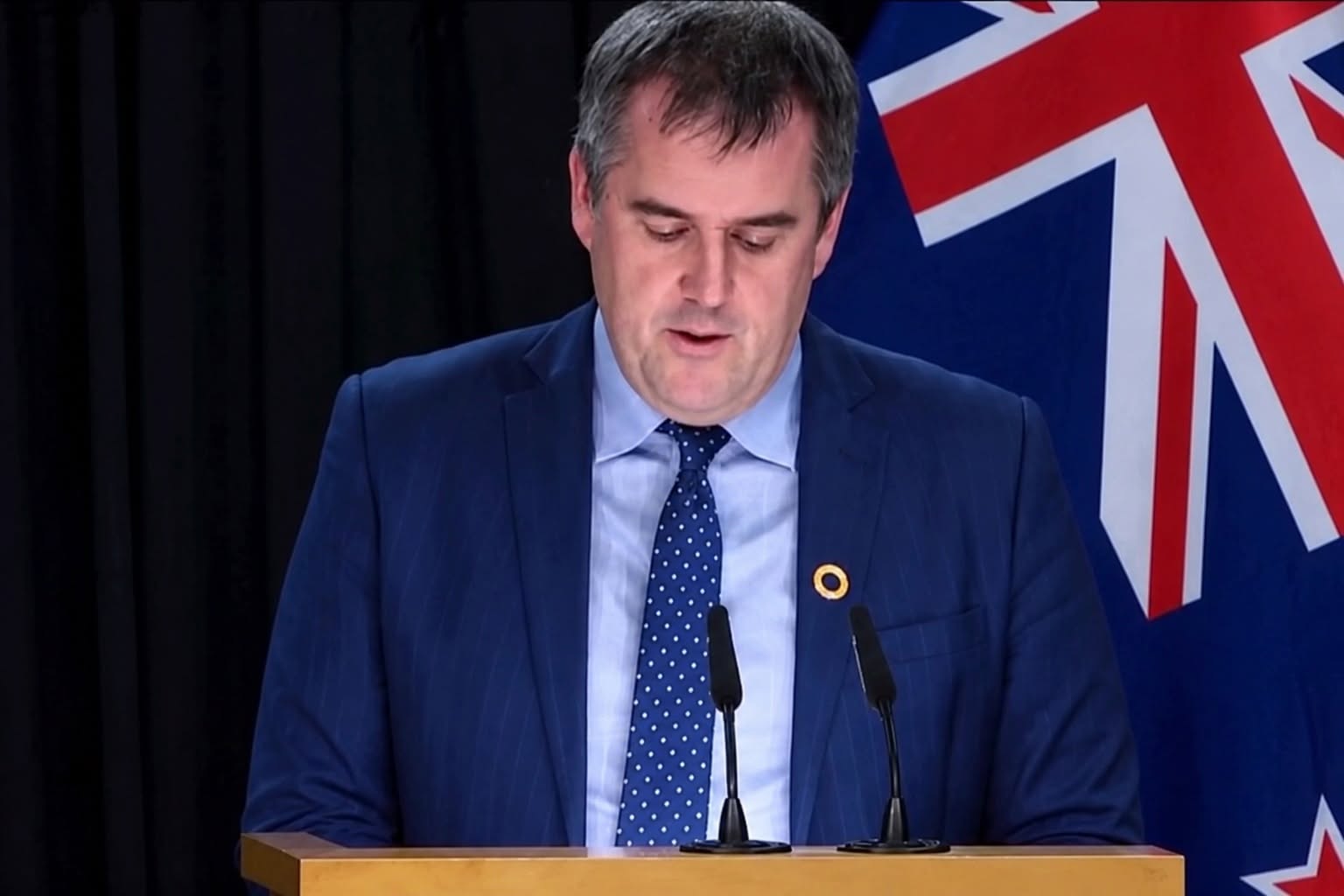
Jason Perry, National Manager Investigations, stated:
“Exploitation is not a business model. It is unlawful, harmful, and taken seriously.”
He also highlighted that:
- Employers must meet visa-related pay requirements themselves
- Workers must be paid for every hour worked
- Immigration status must never be used to pressure employees
Why This Case Matters
This is not just about two workers.
Cases like this impact the entire system:
- They harm vulnerable migrant workers
- They create unfair competition for honest businesses
- They reduce trust in New Zealand’s employment and immigration system
Authorities have confirmed that migrant exploitation remains a top priority.
Support for Workers
INZ and MBIE are encouraging workers to come forward.
They have assured:
- Confidential support
- Safe reporting channels
- Legal protection
This is important because many workers stay silent due to fear or lack of awareness.
Webfit News Perspective
This case exposes a hard truth.
New Zealand promotes itself as a fair and safe place to work. But cases like this show that gaps still exist, especially for migrant workers.
The real issue is not just enforcement. It is awareness and accountability.
If workers are afraid to speak, exploitation continues. If employers think they can get away with it, the system fails.
The only way forward is:
- Strong enforcement
- Faster reporting systems
- Clear accountability
Because one simple principle must hold:
Work must be paid fairly. Always.
Conclusion
The $90,000 fine sends a strong signal, but it also raises an important question.
How many similar cases still go unreported?
As New Zealand continues to rely on migrant workers, ensuring fair treatment is not optional. It is essential.
References
- Ministry of Business, Innovation and Employment (MBIE) Media Release
- Immigration New Zealand (INZ) Investigation Findings
- Wellington District Court Records