By Webfit News | April 11, 2026
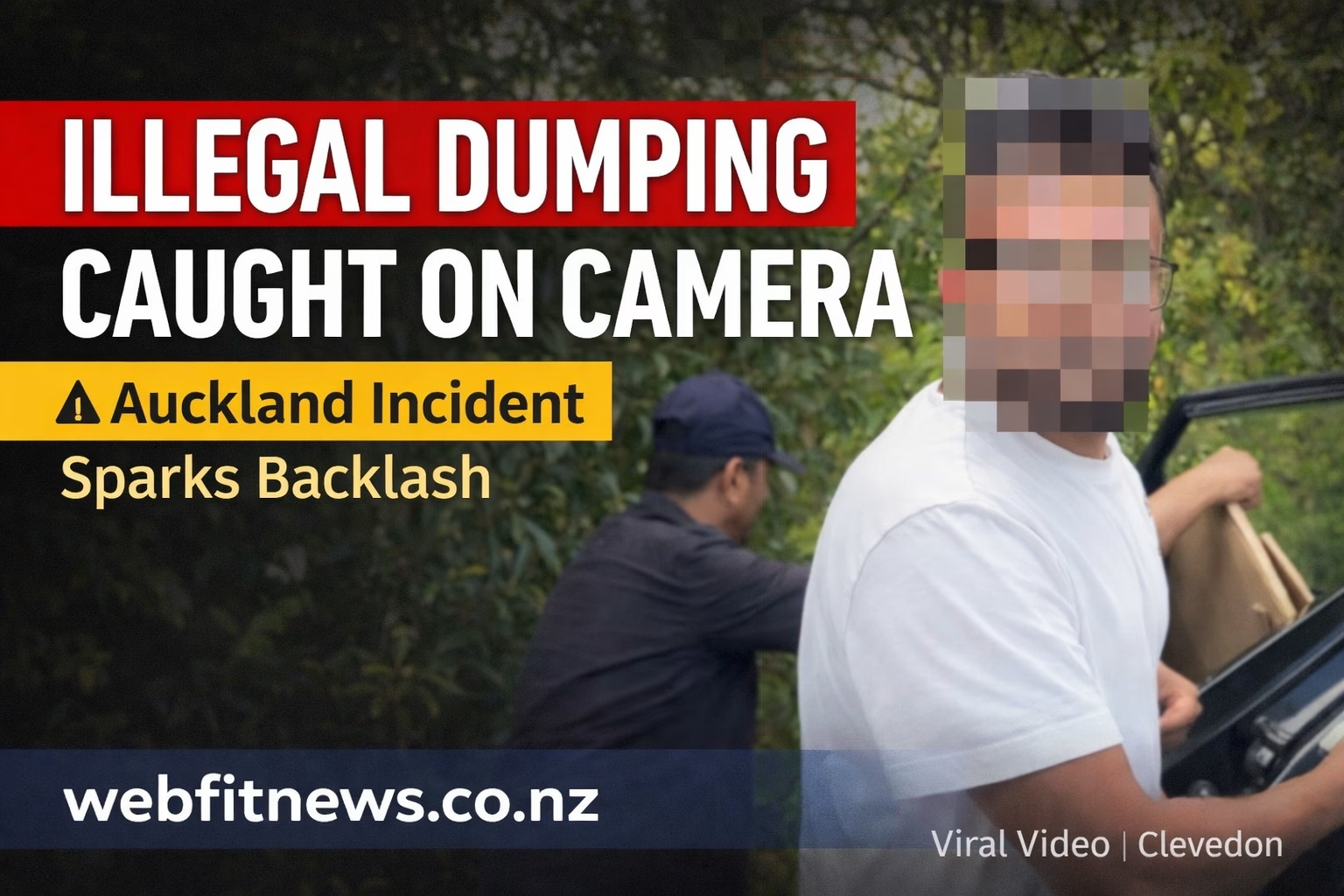
A viral video showing an alleged illegal dumping incident in Auckland has triggered a strong public reaction online, raising questions around environmental responsibility, public accountability, and the risks of online shaming.
The incident reportedly took place on Brookby Road in Clevedon, where a resident confronted two individuals accused of dumping large cardboard waste on the roadside. The footage shows the men being asked to collect the rubbish and return it to their vehicle.
The video quickly spread across social media platforms, attracting widespread attention both in New Zealand and overseas.
What happened
What Are the English Language Requirements for New Zealand Business Investor Visas – WebfitNews
According to reports, the individuals involved later acknowledged the incident and said they had been trying to dispose of oversized cardboard waste. They claimed that recycling facilities were closed due to the Easter public holiday and admitted they made the wrong decision in leaving the material on the roadside.
Following the incident, the individual said he had apologised and also raised concerns about the volume of online abuse received after the video went viral. Complaints were reportedly made to authorities and online safety platforms regarding harassment and the spread of the footage.
Public reaction
The video sparked strong reactions online, with many social media users supporting the confrontation and calling for stricter action against illegal dumping.
Others, however, raised concerns about the tone of the confrontation and the impact of public shaming, especially when incidents escalate quickly on digital platforms.
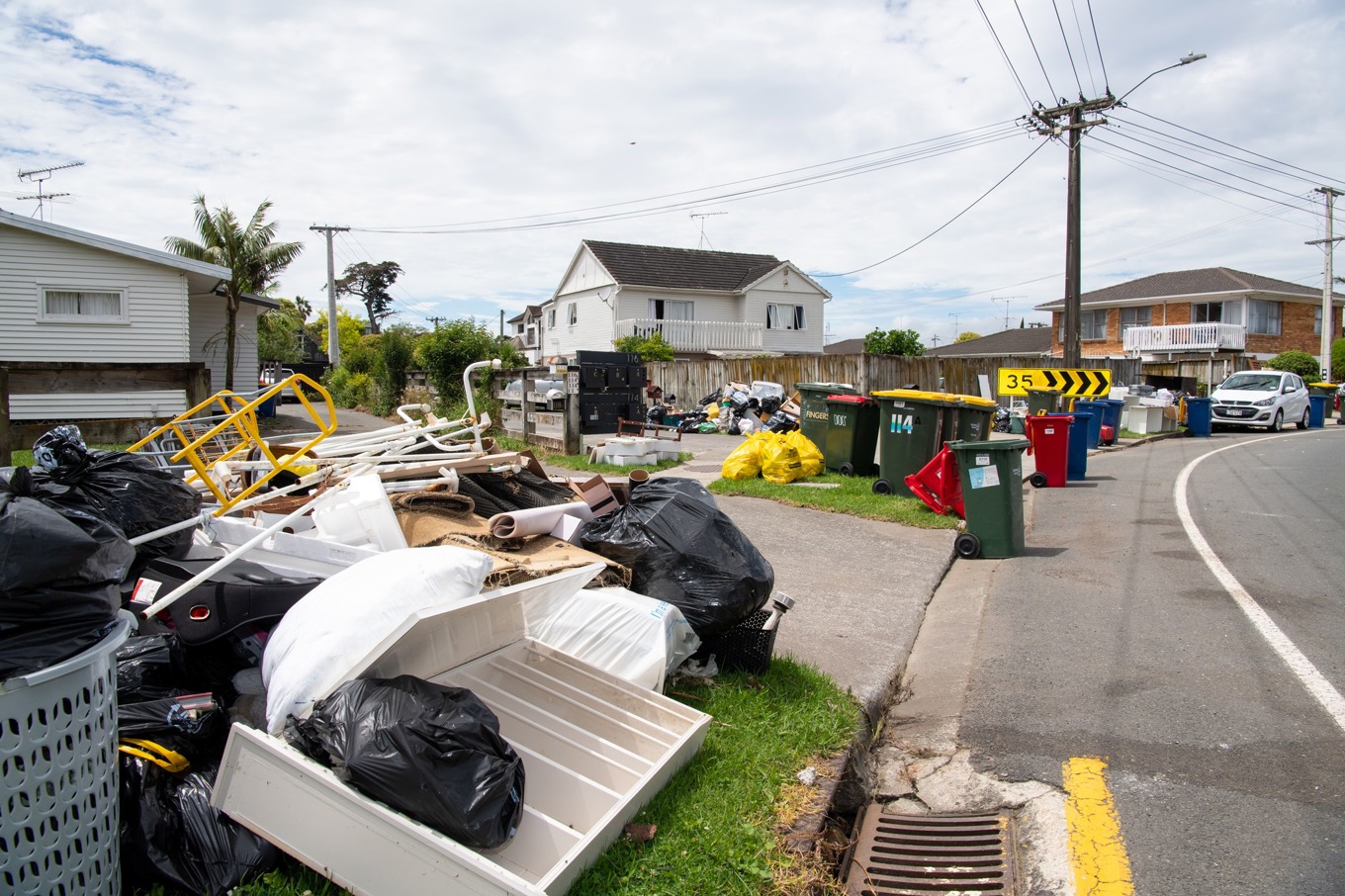
Illegal dumping remains an ongoing issue in several parts of Auckland, with residents frequently reporting rubbish being left on roadsides and in rural areas.
The broader issue
Local authorities have consistently warned that illegal dumping carries environmental, financial, and community consequences. Councils across New Zealand spend millions annually on waste removal and enforcement.
At the same time, experts note that access to proper disposal facilities, especially during holidays or after-hours, can sometimes influence behaviour, though it does not justify unlawful actions.
Webfit News perspective
This incident highlights two uncomfortable truths that need to be separated clearly.
First, illegal dumping is unacceptable. It damages the environment, shifts cleanup costs to the public, and undermines community standards. There is no justification for it, regardless of circumstance.
Second, the response matters just as much as the action. When incidents turn into viral outrage, they often move from accountability into public humiliation. That is where the conversation becomes less about fixing behaviour and more about amplifying division.
New Zealand’s strength has always been its balance between accountability and fairness. Calling out wrongdoing is necessary. But turning individuals into targets of mass online abuse does not solve the problem.
The real solution lies in stronger awareness, better access to disposal systems, and consistent enforcement, not reaction-driven outrage.
What happens next
It is unclear whether any formal enforcement action will be taken in this case. However, the incident has already reignited discussion around waste management practices and responsible behaviour in public spaces.
Authorities continue to encourage residents to report illegal dumping through official channels rather than engaging directly in potentially volatile situations.