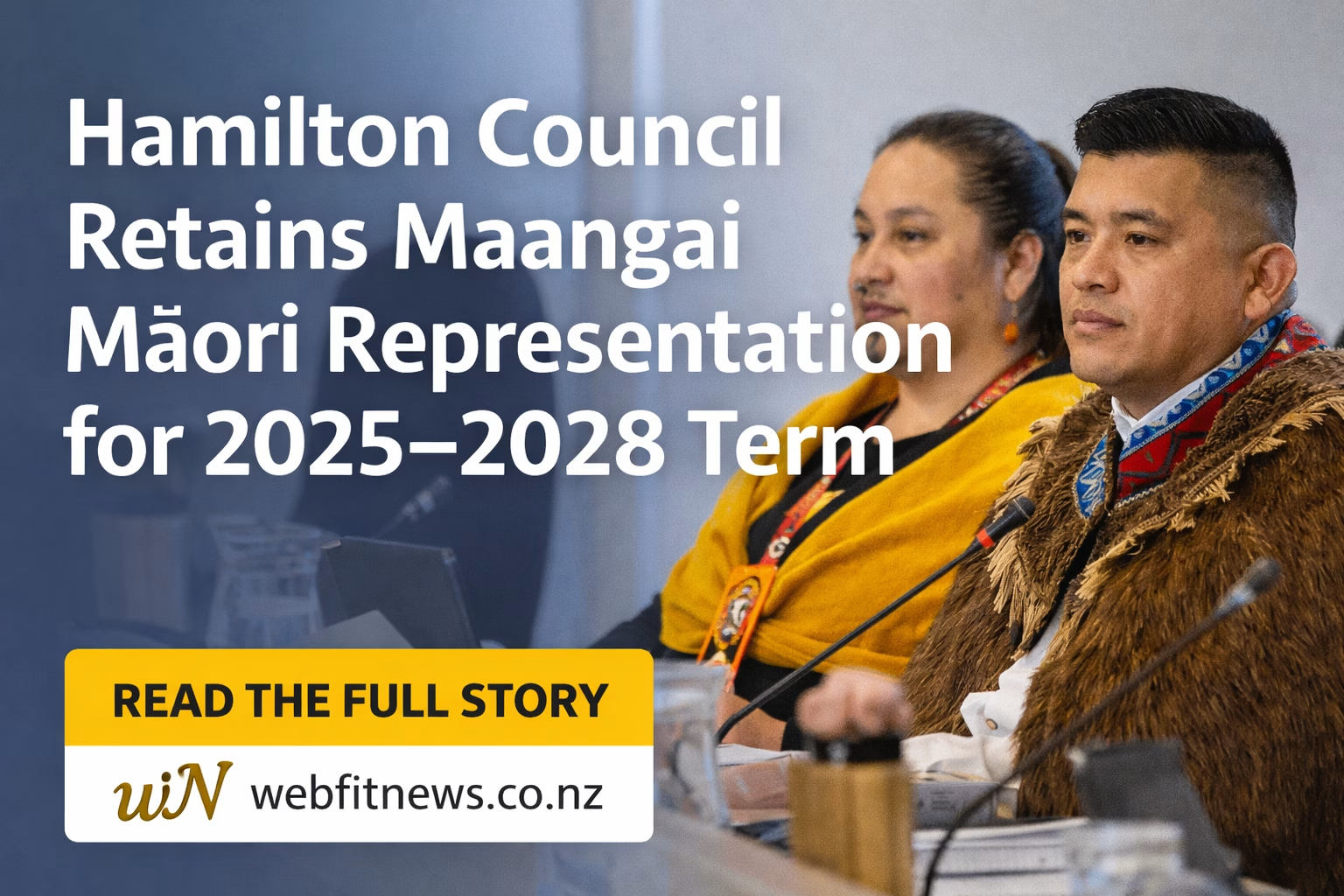
Hamilton City Council has confirmed it will continue the Maangai Māori representation model for the 2025 to 2028 council term, reinforcing its commitment to structured Māori involvement in key decision-making processes.
The decision was made at the Council meeting on 12 February, following a required review at the start of the new triennium.
What Is the Maangai Māori Model?
Maangai Māori are appointed members of specified Hamilton City Council committees. They hold full voting rights within those committees.
The model was first introduced in 2018. Its purpose is to strengthen Māori participation in council decisions by ensuring access to:
- Professional expertise
- Tangata whenua perspectives
- Mātaawaka viewpoints
The arrangement recognises the importance of Māori voices in local governance and aims to improve outcomes through partnership.
Committees Affected
Under the confirmed structure, representatives will continue to be appointed to three key council committees:
- Growth and Economic Development Committee – Appointee from Waikato-Tainui
- Finance and Assurance Committee – Appointee from Waikato-Tainui
- Community Committee – Appointee from Te Rūnanga o Kirikiriroa
These appointments will now proceed, with final ratification to come back to Council.
Mayor’s Position
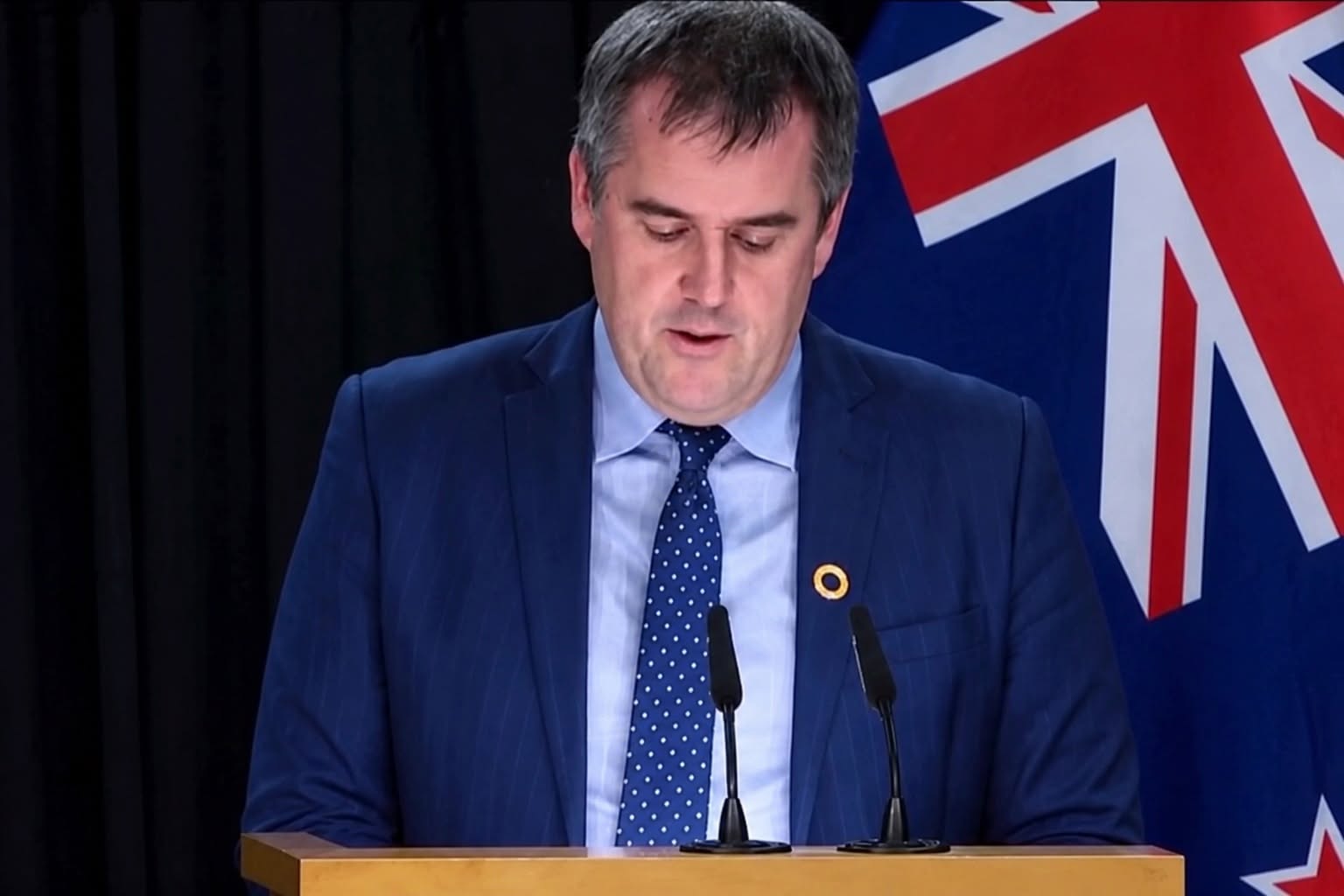
In his Chair’s Report, Hamilton Mayor Tim Macindoe strongly endorsed the continuation of the model.
He stated that Maangai Māori representatives make significant contributions to Council decision-making and are fully supported by city partners Waikato-Tainui and Te Rūnanga o Kirikiriroa.
According to the Mayor, the demand for specialised Māori expertise remains high, particularly in light of:
- New fast-track development opportunities
- Boundary changes
- Implementation of IAWAI Flowing Waters as a Council Controlled Organisation
He emphasised that Māori expertise complements the work of the Council’s elected Māori Ward representatives.
His view was clear: the model strengthens governance and brings valuable voices to the table.
How Councillors Voted
The vote revealed a clear majority in favour of retaining Maangai Māori.
In favour:
- Mayor Macindoe
- Councillors O’Leary, Pike, Casey-Cox, Mead, Moroney, Neha, Huata, Thomson, Strange, Karalus
Against:
- Deputy Mayor Taylor
- Councillors Liu, Bydder, Macdonald
While opinions differed, the Mayor acknowledged that the debate remained constructive and respectful.
Financial Implications
The total annual budget allocated to Maangai Māori representation is $144,000.
In the context of overall council spending, this amount represents a relatively modest investment aimed at ensuring structured Māori input in strategic decision-making.
Why This Decision Matters
Local government across New Zealand has been navigating ongoing conversations about Māori representation. Some councils have reviewed Māori ward structures or adjusted advisory frameworks.
Hamilton’s decision signals continuity rather than change.
By retaining Maangai Māori with full voting rights at committee level, the Council has opted to maintain an established partnership model rather than revert to advisory-only input.
For supporters, the model strengthens relationships and decision quality.
For critics, concerns typically centre around governance structure and democratic accountability.
Either way, the vote makes Hamilton’s position clear for the next three years.
The Broader Governance Context
Under Council policy, Maangai Māori representation must be reviewed at the beginning of each triennium. The 2025 to 2028 term triggered that review.
The Mayor consulted both Waikato-Tainui and Te Rūnanga o Kirikiriroa as required under existing contractual arrangements.
Both organisations indicated strong support for continuing the model, citing relationship value and benefits for the city.
The Council has now formally endorsed that direction.
What Happens Next?
The appointment process will proceed with Waikato-Tainui and Te Rūnanga o Kirikiriroa. Once nominees are confirmed, their appointments will return to the Council for ratification.
From there, Maangai Māori representatives will resume their roles on the specified committees for the full 2025 to 2028 term.
Webfit News Perspective
Hamilton City Council’s decision to retain the Maangai Māori model highlights a wider national conversation about representation, partnership, and governance.
At a time when several councils are reviewing Māori wards and advisory structures, Hamilton has chosen continuity. The key question now is not whether the model exists, but how effectively it delivers measurable outcomes for the wider community.
Representation carries responsibility. Transparency, performance, and accountability will determine public confidence over the next three years.
Webfit News will continue to follow how this structure shapes policy decisions, community engagement, and financial oversight within Hamilton.