Auckland Transport is preparing to begin a major $31 million renewal of the Devonport Ferry Wharf and Terminal, with construction expected to start in December 2026 and continue in stages over three years.
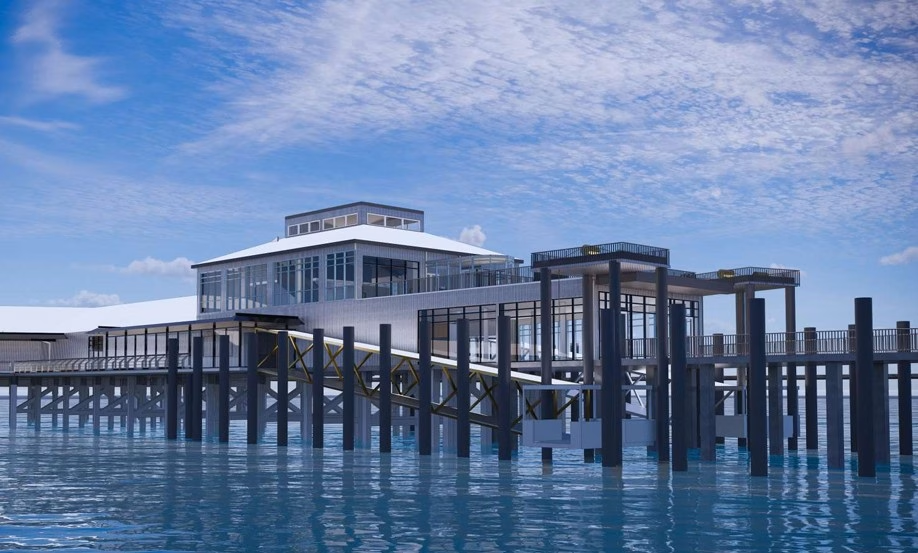
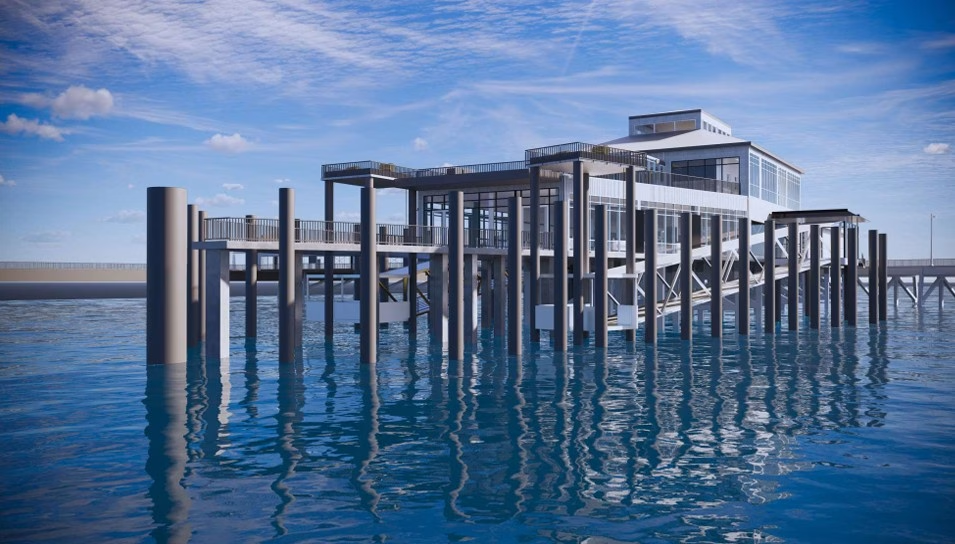
The project will include the complete reconstruction of Piers 1 and 2, a major refurbishment of the terminal waiting area, new gangways and berthing infrastructure, and upgrades designed to support Auckland’s new generation of electric hybrid ferries.
Auckland Transport says the work is intended to improve resilience on the busy Devonport to City Centre ferry route while modernising one of Auckland’s most important public transport facilities.
The detailed design for Pier 2 and the terminal waiting area has already been completed and resource consent granted. Procurement is scheduled to take place through August and September, ahead of the start of construction later this year.
Major rebuild of Piers 1 and 2
Both ferry berths have reached the end of their operational life and will be reconstructed to modern standards.
Pier 2 will be the first major stage of the project.
The upgrade will include a new entrance and vestibule, a new 25-metre gangway, a new fender pile system and a mechanically operated hydraulic berthing platform designed to function across different tide levels.
Pier 1 will later receive similar infrastructure, including a new transition point of entry and canopy, a new 25-metre gangway, replacement fender piles and a hydraulic berthing platform.
Auckland Transport says the new infrastructure will improve the reliability and operational resilience of the wharf while preparing it for future ferry requirements.
Electric hybrid ferries part of the long-term plan
The investment comes as Auckland prepares to introduce two new electric hybrid fast ferries on the Devonport to Downtown route.
AT Chief Executive Stacey van der Putten said the infrastructure at Devonport needs to be capable of supporting that transition.
“We will soon have two brand new electric hybrid fast ferries sailing the Devonport to Downtown route, and infrastructure at the Devonport Wharf must be fit for purpose,” van der Putten said.
“This renewal project will rejuvenate facilities for our passengers and ensure the Devonport Ferry Wharf and Terminal is up to a world class standard for many decades to come.”
The project is therefore not simply a repair programme. It is also intended to prepare the terminal for the next phase of Auckland’s ferry network.
Terminal waiting area to receive major refurbishment
Passengers will also see significant changes inside the terminal.
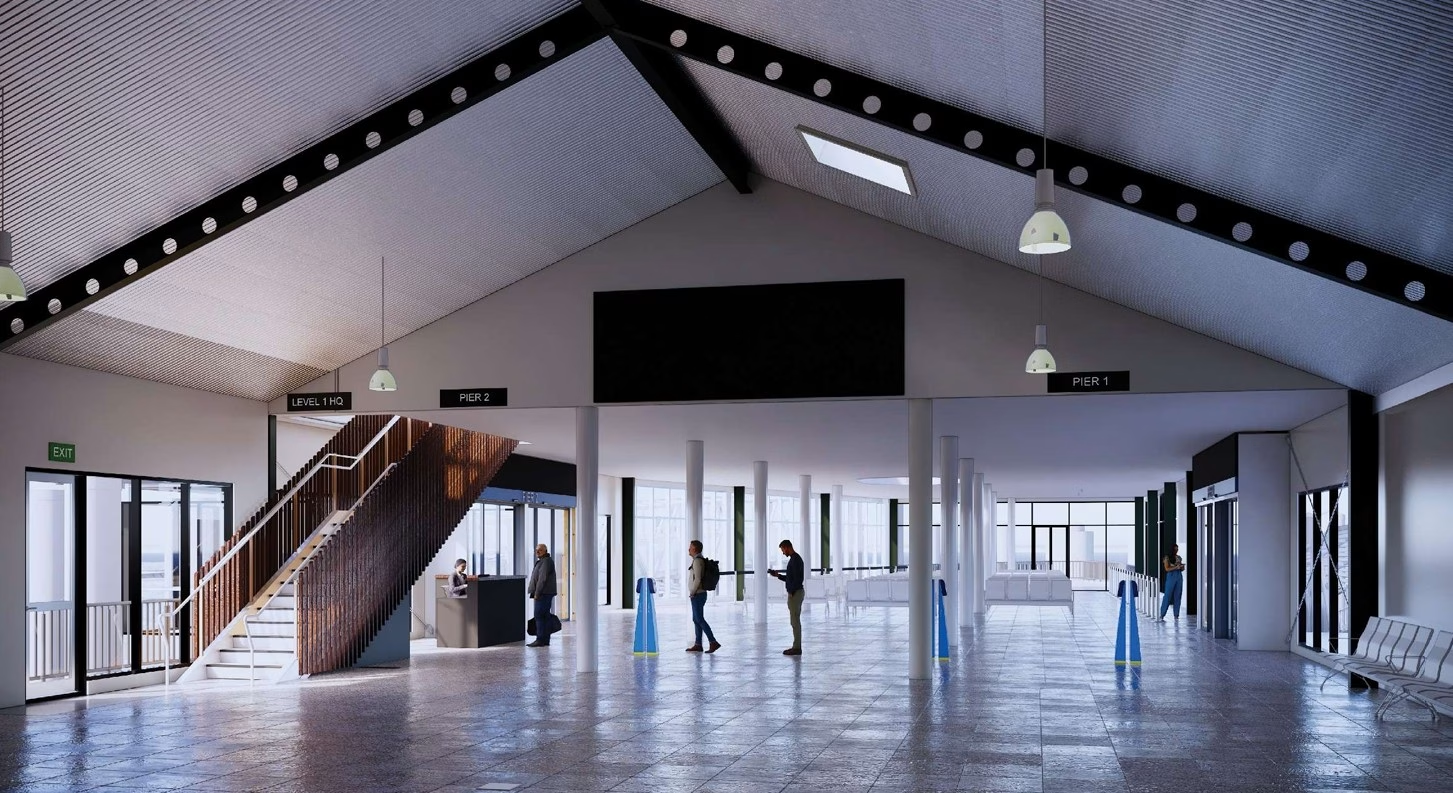
The existing waiting area will undergo a full refurbishment, including essential building renewal and improvements aimed at creating a more comfortable and efficient passenger experience.
Planned work includes replacing the end-of-life roof waterproofing membrane and undertaking ceiling remedial work to ensure compliance with fire and electrical requirements.
A passive airflow system will be installed to address condensation and mildew issues.
The terminal’s acoustic ceiling will also be reinstated to modern standards, with Auckland Transport saying this should support clearer public address announcements for ferry timetables and passenger information.
Wayfinding and lighting will be renewed, while boarding gates for Piers 1 and 2 will be realigned to allow for the future introduction of a HOP gate line.
Other changes include relocating the stairs leading to the level-one tenancy area to create better boarding, queuing and waiting spaces.
A redundant retail area is also expected to be replaced with a dedicated Fullers customer service kiosk.
Ferry services will continue during construction
Auckland Transport says the project has been deliberately staged to minimise disruption.
During the first phase, Pier 2 and the terminal waiting area will close, while Pier 1 remains operational for all passenger ferry services.
That includes access for the new electric hybrid ferries.
Once the Pier 2 work is completed, the refurbished terminal waiting area will reopen and ferry services will move to the new Pier 2.
Work will then begin on Pier 1.
The staged approach means the Devonport ferry connection will remain available throughout the project rather than requiring a full terminal shutdown.
Temporary waiting room planned
While Pier 2 and the main waiting area are closed, passengers will use a temporary waiting facility in the multi-functional space next to the existing terminal.
The temporary space will include HOP ticket machines, seating and wayfinding information.
Auckland Transport also plans to install a temporary canopy over the boardwalk between the waiting area and Pier 1, providing continuous shelter for passengers moving between the terminal and operational ferry berth.
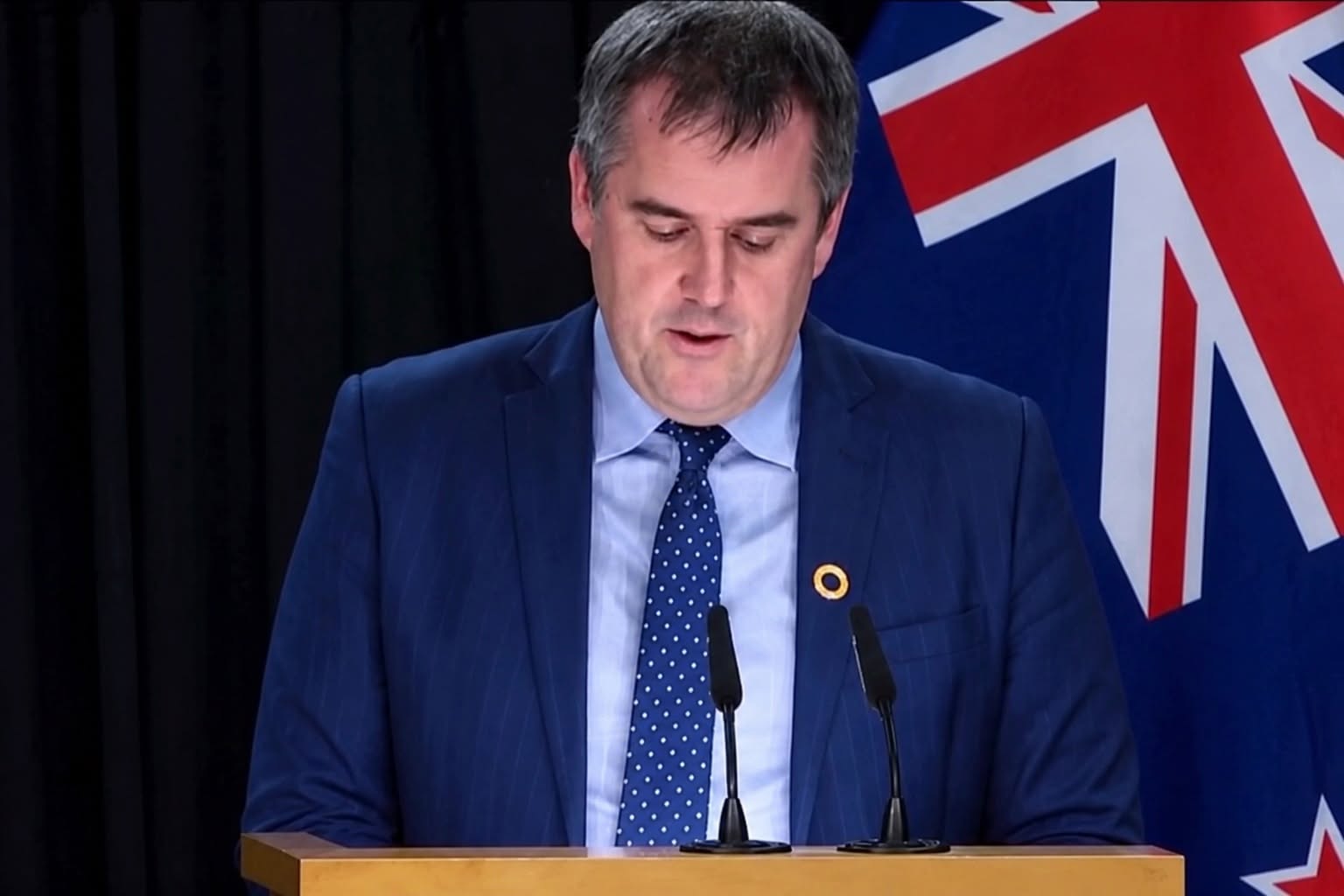
AT Manager of Public Transport Facilities, Structures and Renewals Josh Hyland said the need to renew the ageing infrastructure also created an opportunity to improve the overall customer experience.
“Pier 1 and Pier 2 will be reconstructed to modern standards using resilient materials, while the waiting terminal will be refurbished to a high standard that Aucklanders can be proud of,” Hyland said.
“The need to undertake essential renewal works on Pier 1 and 2 has presented an opportunity to integrate a range of customer focused improvements that will collectively enhance the journey for all customers.”
Local leaders welcome the investment
North Shore Ward Councillor Richard Hills described the project as an important investment in Auckland’s public transport network.
“This is a fantastic and important investment in our public transport infrastructure,” Hills said.
He said replacing the end-of-life berths would improve resilience on the Devonport to City Centre route, while improvements to entrances, gangways and the terminal would prepare the facility for new ferry technology.
Hills also said improving the passenger experience should help encourage greater use of ferries and the wider public transport network.
Fellow North Shore Councillor John Gillon said the long-awaited upgrade was important both for residents and visitors.
“It is an important investment to ensure that the Devonport community can continue to depend on the ferry for travel to and from the city,” Gillon said.
He also highlighted the role of ferry services in supporting tourism to Devonport’s heritage village and maunga.
Community significance
Devonport-Takapuna Local Board Chair Trish Deans said the project recognised the wharf’s importance to the local community.
“This investment and upgrade not only future proofs the wharf for future generations, it also recognises the importance of the wharf to the community,” she said.
For Devonport residents, the ferry is one of the area’s most important public transport links, providing a direct connection with Auckland’s city centre.
The terminal is also a key arrival point for visitors and tourists, giving the project significance beyond daily commuting.
Three-year programme ahead
The $31 million renewal is expected to take approximately three years to complete.
With construction beginning on Pier 2 and the terminal area first, followed by Pier 1, Auckland Transport says the project will be delivered in stages to keep services operating and reduce inconvenience to passengers.
Once complete, Devonport Ferry Wharf is expected to have two fully rebuilt ferry berths, upgraded passenger facilities, modernised terminal infrastructure and improved compatibility with future electric hybrid ferry services.
For Auckland Transport, the project represents both the replacement of ageing infrastructure and a broader investment in the future of ferry travel across the city.
Source: Auckland Transport media release, 7 August 2026