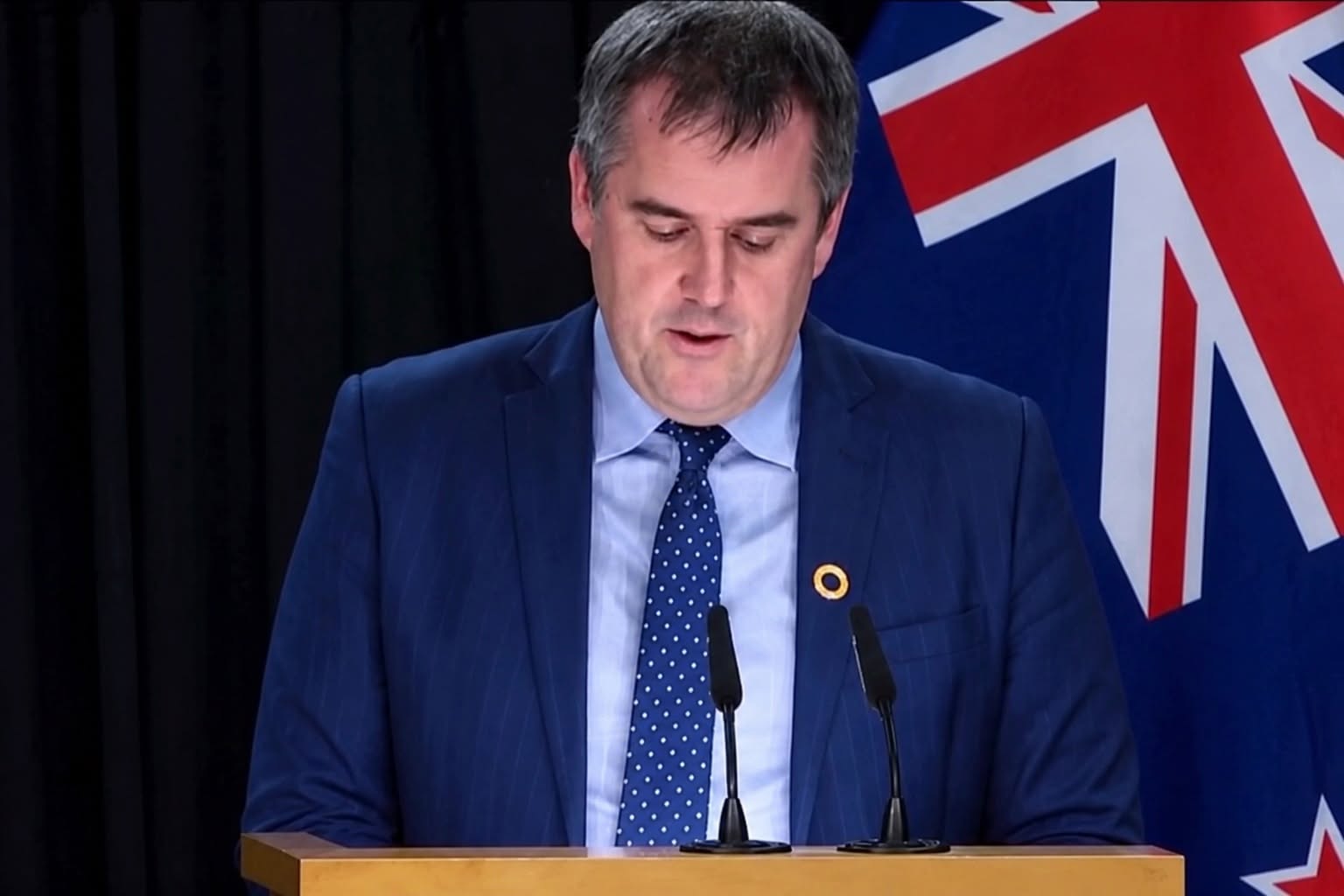

Dave Rennie has been appointed the new All Blacks head coach. With only about 15 months until the 2027 Rugby World Cup preparations intensify, Rennie says culture, selection accountability, and time management will define his first phase in charge.
Introduction
New Zealand Rugby has appointed Dave Rennie as the new head coach of the All Blacks, marking the start of a crucial rebuilding period for the national team.
Rennie immediately acknowledged the scale of the challenge ahead. Speaking after the announcement, he said he understands the expectations that come with coaching one of the most iconic teams in world sport.
But his message was clear. The biggest challenge is not talent or tactics. It is time.
With preparations for the 2027 Rugby World Cup already looming, Rennie described the next phase for the All Blacks as a “sprint.”
A Fast and Intense Appointment Process
Rennie emerged as the successful candidate after what New Zealand Rugby insiders described as a tightly contested selection process.
The final decision reportedly came down to a two-candidate race between Rennie and former Highlanders and Japan coach Jamie Joseph.
According to New Zealand media reports, the interview panel included several respected rugby figures and administrators. The group evaluated not only coaching results but also leadership approach, culture-building ability, and long-term strategic thinking.
New Zealand Rugby chairman David Kirk praised the appointment and described Rennie as a world-class coach who understands the expectations attached to the All Blacks jersey.
Rennie’s Immediate Message: Culture Comes First
During his first press conference, Rennie emphasized team culture and accountability.
He emphasized three priorities.
1. Restoring strong team culture
Rennie said building the right environment inside the squad will be a key focus.
2. Selection based on form
He clearly stated that players will earn their positions through performance.
“No loyalties” was the phrase used to describe his selection philosophy.
3. Clarity in the game model
Rennie said he already has ideas about tactical changes, but did not reveal specific details.
This approach signals a shift toward clearer structure and alignment within the team.
A Complicated Start: Rennie Not Full Time Until June
One unusual element of the appointment is timing.
Rennie is currently coaching the Kobelco Kobe Steelers in Japan’s Rugby League One competition. His team has been performing strongly this season.
Because of his commitment to finish the Japanese season, Rennie will not begin full-time duties with the All Blacks until June.
Despite this limitation, he must begin preparing for international fixtures immediately.
That includes selecting a squad for the July test window and appointing assistant coaches within weeks.
Rennie’s Coaching Record
Rennie brings extensive coaching experience across several levels of rugby.
Success in New Zealand
He achieved major success with the Chiefs in Super Rugby, guiding the team to back-to-back titles in 2012 and 2013.
Those victories remain some of the most memorable seasons in modern Super Rugby history.
International Experience
Rennie later coached the Australian Wallabies. His record there was mixed, with 13 wins from 34 test matches.
Despite the modest win rate, many analysts say he faced challenging circumstances during his tenure.
Current Form in Japan
More recently, Rennie has found success with the Kobe Steelers in Japan.
The team currently sits near the top of the Japan Rugby League One standings with an impressive win record this season.
This recent success was seen by many as evidence that Rennie remains a highly capable high-performance coach.
Selection Policy Could Trigger Bigger Debate
One of Rennie’s early comments has already sparked discussion across the rugby community.
He suggested that overseas-based players could be considered in the future if eligibility rules change.
Currently, New Zealand rugby policy generally requires players to play domestically to represent the All Blacks.
Rennie mentioned examples such as Brodie Retallick and Richie Mo’unga when discussing overseas talent.
This issue could become a major strategic debate in New Zealand rugby, particularly as more players sign contracts with overseas clubs.
The Calendar Ahead Is Brutal
Rennie will not have much time before facing elite opposition.
The All Blacks’ schedule for 2026 is already packed with major matches.
July Test Series
New Zealand will host three major tests.
• New Zealand vs France
• New Zealand vs Italy
• New Zealand vs Ireland
These matches will serve as Rennie’s first real test as head coach.
South Africa Tour
Later in the season, New Zealand will travel to South Africa for a demanding extended tour.
The rivalry between the two nations remains one of rugby’s greatest contests.
Bledisloe Cup
The annual Bledisloe Cup series against Australia will also be played later in the year.
These fixtures will likely define early perceptions of Rennie’s tenure.
What Experts Are Watching Closely
Rugby analysts say three factors will determine whether Rennie’s era succeeds.
Leadership inside the squad
Strong player leadership groups have historically been central to the All Blacks’ success.
Consistency in selection
If Rennie follows through with his form-based selection policy, competition within the squad could intensify.
Clear tactical identity
Fans and analysts alike will watch closely to see whether the team develops a consistent style of play.
Conclusion
Dave Rennie steps into one of the most demanding roles in global sport.
The All Blacks are not just another rugby team. They are a national symbol and a global benchmark for excellence.
Rennie’s challenge is not only to win matches but to rebuild clarity, culture, and confidence inside the squad.
With the countdown to the next Rugby World Cup already underway, every decision made over the next 15 months will shape the future of New Zealand rugby.
Webfit News Perspective
For many observers, the real story is not simply who became the new All Blacks coach. The deeper issue is how New Zealand Rugby manages culture, governance, and long-term player development.
The appointment of Dave Rennie suggests the organisation wants stability and experience rather than experimentation.
But success will depend on whether the wider system supports the coach with a clear strategy, strong assistant coaches, and realistic expectations.
If the culture inside New Zealand rugby aligns again with the standards the All Blacks historically represent, Rennie’s appointment could become a turning point.
If it does not, the pressure of the All Blacks jersey will remain one of the toughest jobs in world sport.
References
• RNZ Sport reporting on Dave Rennie’s appointment
• 1News coverage of All Blacks coaching announcement
• Reuters international sports coverage
• Japan Rugby League One official standings
• New Zealand Rugby public statements and media briefings