By Geet G | Webfit News | webfitnews.co.nz
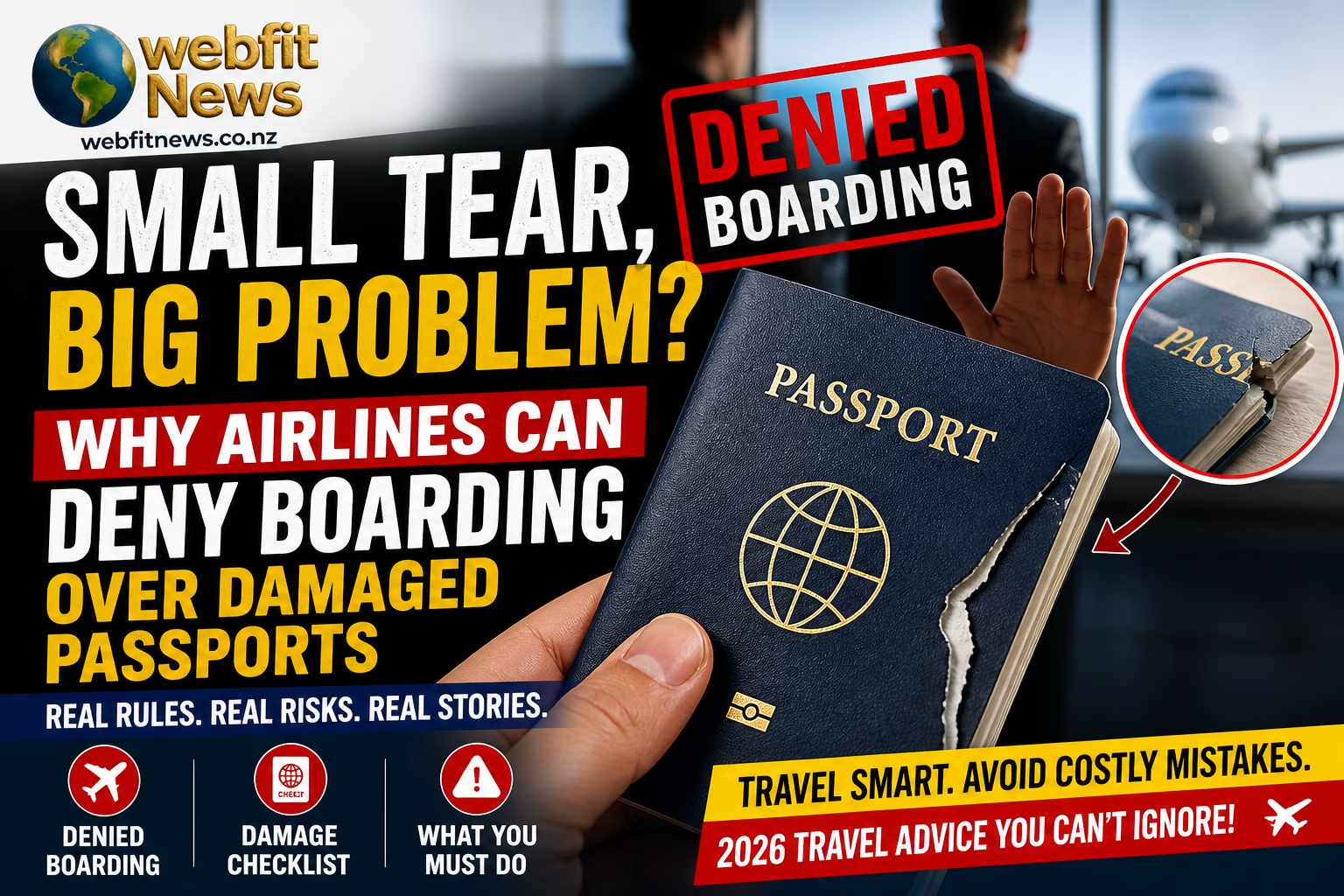
A passport is meant to be your ticket to the world. But what many travellers do not realise is this: even a small tear can quietly turn that ticket into a major travel risk.
Across airports globally, airlines and immigration authorities are tightening scrutiny on travel documents. And the uncomfortable truth is simple. A passport can be valid on paper, but still unusable in practice.
The Hidden Risk Most Travellers Ignore
For many people, a slightly worn or torn passport feels harmless. After all, the expiry date is still valid. The identity page looks fine. So what is the issue?
The issue is not validity. It is condition.
Travel authorities increasingly treat passports as sensitive identity documents. Even minor damage can raise concerns about tampering, authenticity, or readability.
According to a 2026 advisory from New Zealand’s Department of Internal Affairs, damaged passports can lead to denied boarding, delayed travel, and unexpected costs.
That is not theoretical. It is happening.
Why Airlines Are Strict (And Why You Pay the Price)
Here is where most people misunderstand the system.
The airline is not just transporting you. It is also responsible for ensuring you will be accepted at your destination.
If immigration rejects you, the airline must:
- Pay for your return flight
- Handle penalties and compliance issues
So they act early. Sometimes aggressively.
Travel guidance platforms confirm that airlines may refuse boarding if a passport appears damaged, even if technically valid, because they carry the risk of your rejection.
What Counts as “Too Damaged”?
This is where things get frustrating. There is no universal checklist.
But consistent patterns are emerging.
Reports highlight that even small tears, stains, peeling laminate, or water damage can make a passport unreadable or suspicious, leading to boarding refusal.
Typical red flags include:
- Tears on any page, especially near edges
- Damage to the photo or identity page
- Loose or frayed binding
- Water stains or smudging
- Peeling plastic on the main page
And here is the catch:
the final decision is often made by a check-in agent, not a rulebook.
Real Cases Show How Small Issues Become Big Problems
Travel industry insights show multiple cases where travellers were denied boarding due to:
- Slight page tears
- Bent covers
- Minor wear that seemed harmless
In some instances, families have missed entire holidays because of what they believed was “normal wear and tear.”
That is the level of risk you are dealing with.
The New Travel Reality in 2026
Post-pandemic travel has shifted expectations.
Airports are:
- More digitised
- More security-driven
- Less tolerant of ambiguity
That means documents must be clean, intact, and machine-readable.
There is less room for “it should be fine.
What Should You Do If Your Passport Has a Tear?
Here is the part most people try to avoid.
If your passport has any visible tear, especially on an internal page:
- You are taking a risk
- And it is not a small one
The safest move is simple:
Replace it before travelling internationally
Yes, it costs money.
Yes, it takes time.
But compare that to:
- Missing your flight
- Losing hotel bookings
- Paying for last-minute rebooking
That is a much more expensive mistake.
Webfit News Perspective
This is not just about passports. It reflects a bigger shift in global travel.
Systems are becoming stricter, less human, and more risk-averse. Small issues that were ignored earlier are now treated as compliance failures.
For travellers, especially families and migrants planning international trips, the lesson is clear: