A sharp escalation in rhetoric between China and the United States is drawing global attention, as Beijing issues a clear warning over potential military involvement in the Strait of Hormuz. The development comes at a time when global energy security and geopolitical stability are already under pressure.
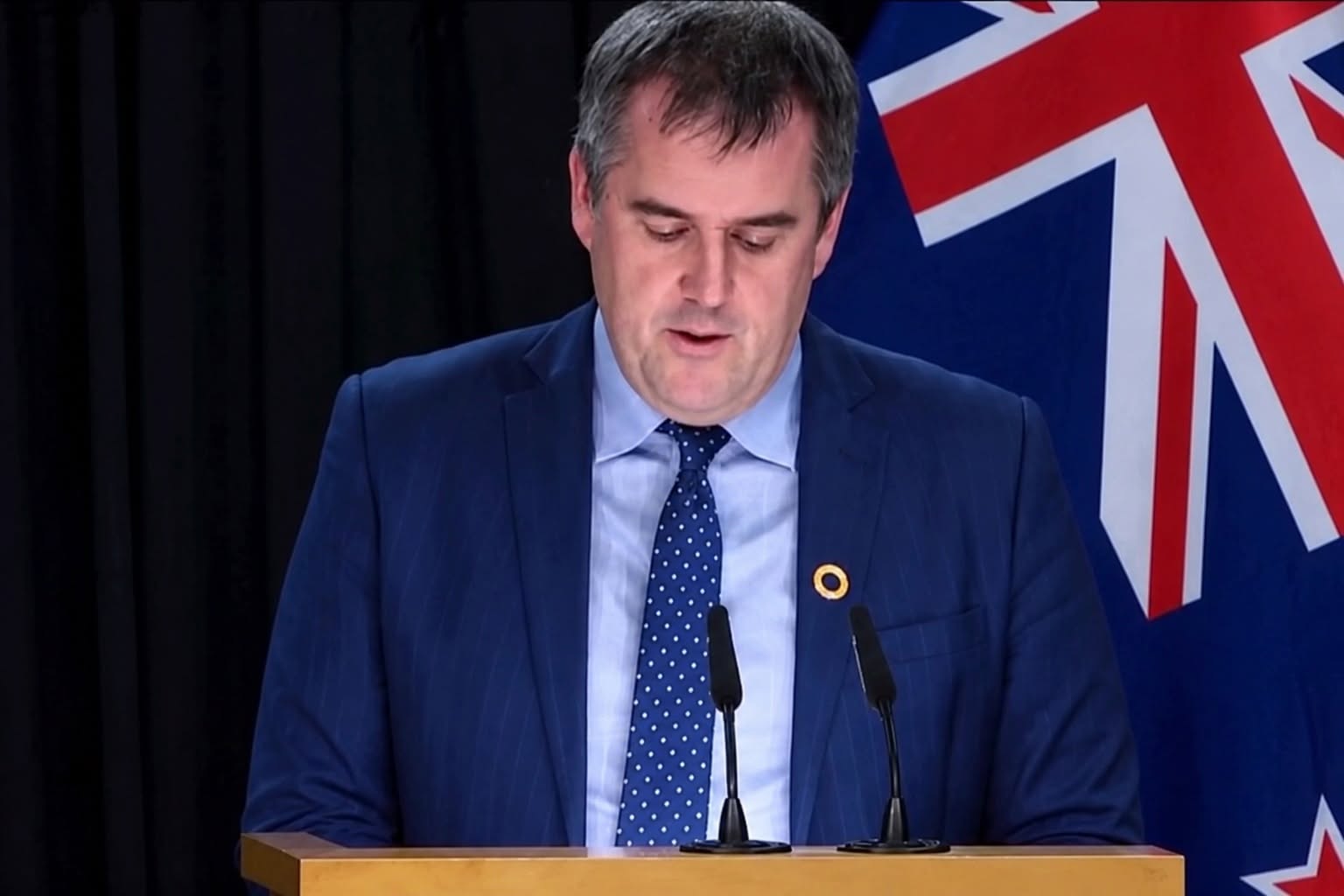
China has issued a direct warning to the United States, urging it not to interfere in rising tensions surrounding the Strait of Hormuz, one of the world’s most critical oil shipping routes. The statement, delivered by Chinese Defence Minister Admiral Dong Jun, signals growing friction between two global powers at a time when the Middle East remains highly volatile.
This is not just another diplomatic exchange. It is a reminder that regional conflicts today have global consequences, especially for countries like New Zealand that depend heavily on stable international trade routes.
Why the Strait of Hormuz Matters
The Strait of Hormuz is a narrow but vital passage connecting the Persian Gulf to the Arabian Sea. Around 20 percent of the world’s oil supply flows through this route every day.
Any disruption here has immediate ripple effects:
- Global oil prices spike
- Shipping costs rise
- Inflation pressure increases worldwide
- Energy-importing nations face economic strain
For countries like New Zealand, which rely on imported fuel, instability in this region can quickly translate into higher living costs at home.
China’s Position
China’s Defence Minister made it clear that Beijing does not want external military interference in the situation. While full details of the blockade concerns are still emerging, China’s message was blunt:
- Do not escalate military presence
- Avoid actions that could worsen tensions
- Respect regional stability
China has strong economic interests in the Middle East, especially as a major importer of oil. Any disruption in supply chains directly impacts the economy.
At the same time, China is positioning itself as a stabilising force, at least in its own narrative. But let’s be honest. This is also about influence. Beijing does not want the United States dominating security decisions in a region critical to its energy needs.
The US Angle
The United States has traditionally played a major role in securing global shipping routes, especially in the Middle East. Any hint of a blockade in the Strait of Hormuz would almost certainly trigger US involvement.
From Washington’s perspective:
- Keeping the Strait open is non-negotiable
- Energy security is a global priority
- Military presence acts as a deterrence
But here is the problem. What the US calls “security”, China sees as “interference”.
That gap in perception is where escalation begins.
Rising Global Tensions
This situation is not happening in isolation. It sits on top of already strained relations between the US and China, including:
- Trade disputes
- Taiwan tensions
- Military positioning in the Indo-Pacific
- Competing global alliances
Adding the Middle East into this mix increases the risk of miscalculation.
And history shows one thing clearly. Most conflicts do not start with intention. They start with misunderstanding and overreaction.
Impact on the Global Economy
If tensions around the Strait of Hormuz escalate further, the consequences could be serious:
1. Oil Price Shock
Even a temporary disruption can push oil prices sharply higher.
2. Supply Chain Disruptions
Shipping delays affect everything from fuel to food imports.
3. Inflation Pressure
Higher energy costs flow into everyday expenses globally.
4. Market Instability
Investors react quickly to geopolitical risk, causing volatility.
What It Means for New Zealand
You might think this is far away. It is not.
New Zealand is deeply connected to global trade systems. Any instability in major shipping routes affects:
- Fuel prices at the pump
- Cost of goods in supermarkets
- Business operating costs
- Overall economic stability
We saw this during past global disruptions. The distance does not protect us. It delays the impact slightly, but it still hits.
Expert View
Geopolitical analysts believe this is a strategic warning, not an immediate threat. But they also caution that:
- The situation can escalate quickly
- Miscommunication between major powers is a real risk
- Regional conflicts often draw in global players
The key concern is not just what China or the US says. It is how each side interprets the other’s actions.
Webfit News Perspective
This is where most people misunderstand global politics.
They think it is about right and wrong. It is not. It is about interests.
China wants secure energy supply.
The US wants strategic control.
Middle East nations want sovereignty.
Nobody is neutral. Everyone is protecting something.
The real risk here is not a planned conflict. It is accidental escalation. A wrong move, a misread signal, and suddenly a regional issue becomes a global crisis.
And if you are sitting in New Zealand thinking this is “their problem”, you are missing the point.
Global stability is everyone’s problem now.
Conclusion
China’s warning to the United States over the Strait of Hormuz highlights the fragile balance of global power. While no immediate conflict is confirmed, the situation carries significant risk.
The world is entering a phase where economic interests, military presence, and political influence are tightly connected. Any disruption in one area quickly spreads to others.
For everyday people, the takeaway is simple:
Watch global events closely.
Because sooner or later, they show up in your daily life.
References
- International energy trade data on the Strait of Hormuz
- Global geopolitical analysis reports