By Webfit News
28 May 2026
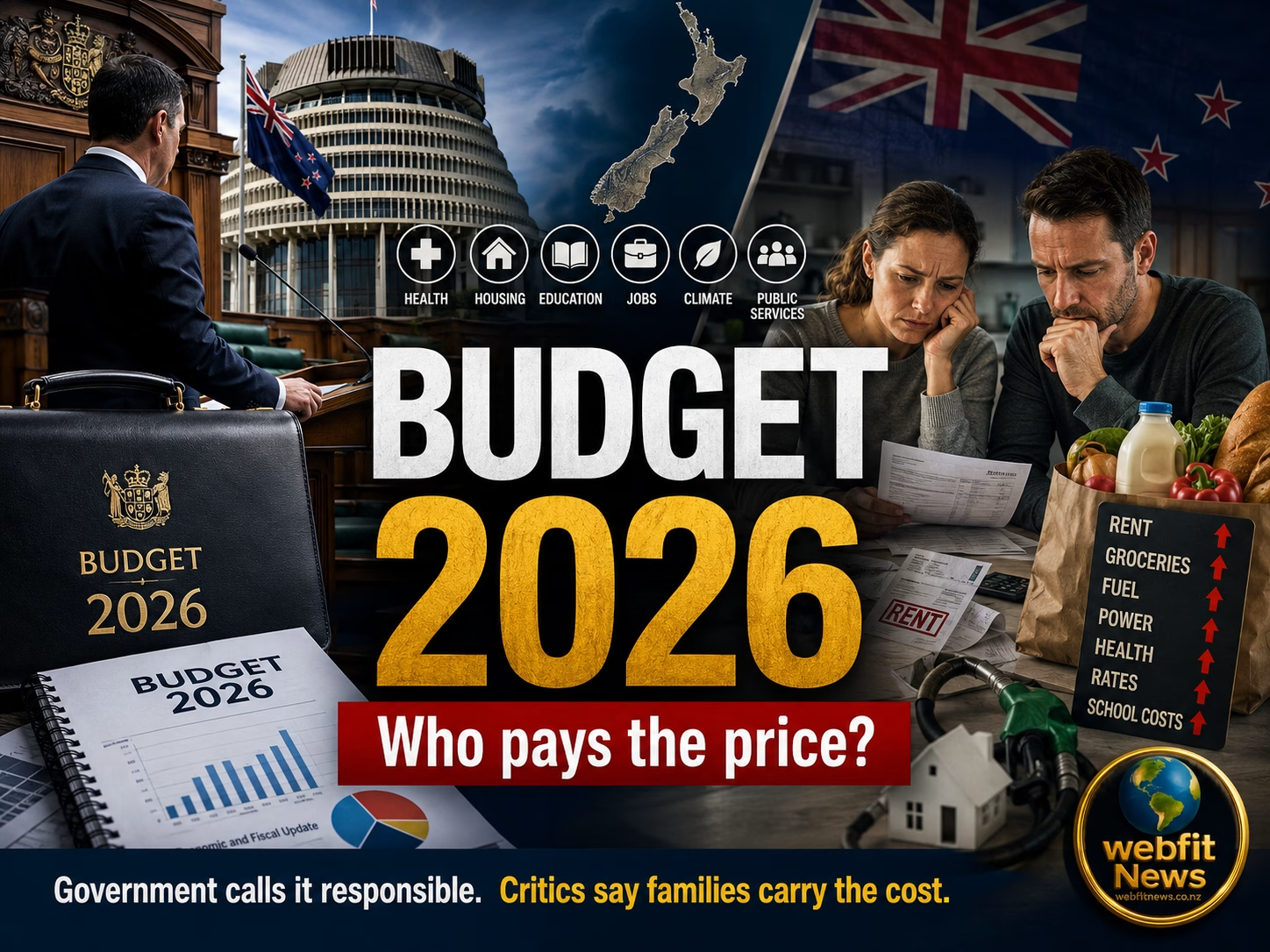
Budget 2026 has landed as one of the most politically charged Budgets of the election year, with the Government presenting it as a responsible plan to rebuild the books, strengthen frontline services and prepare New Zealand for a more uncertain world.
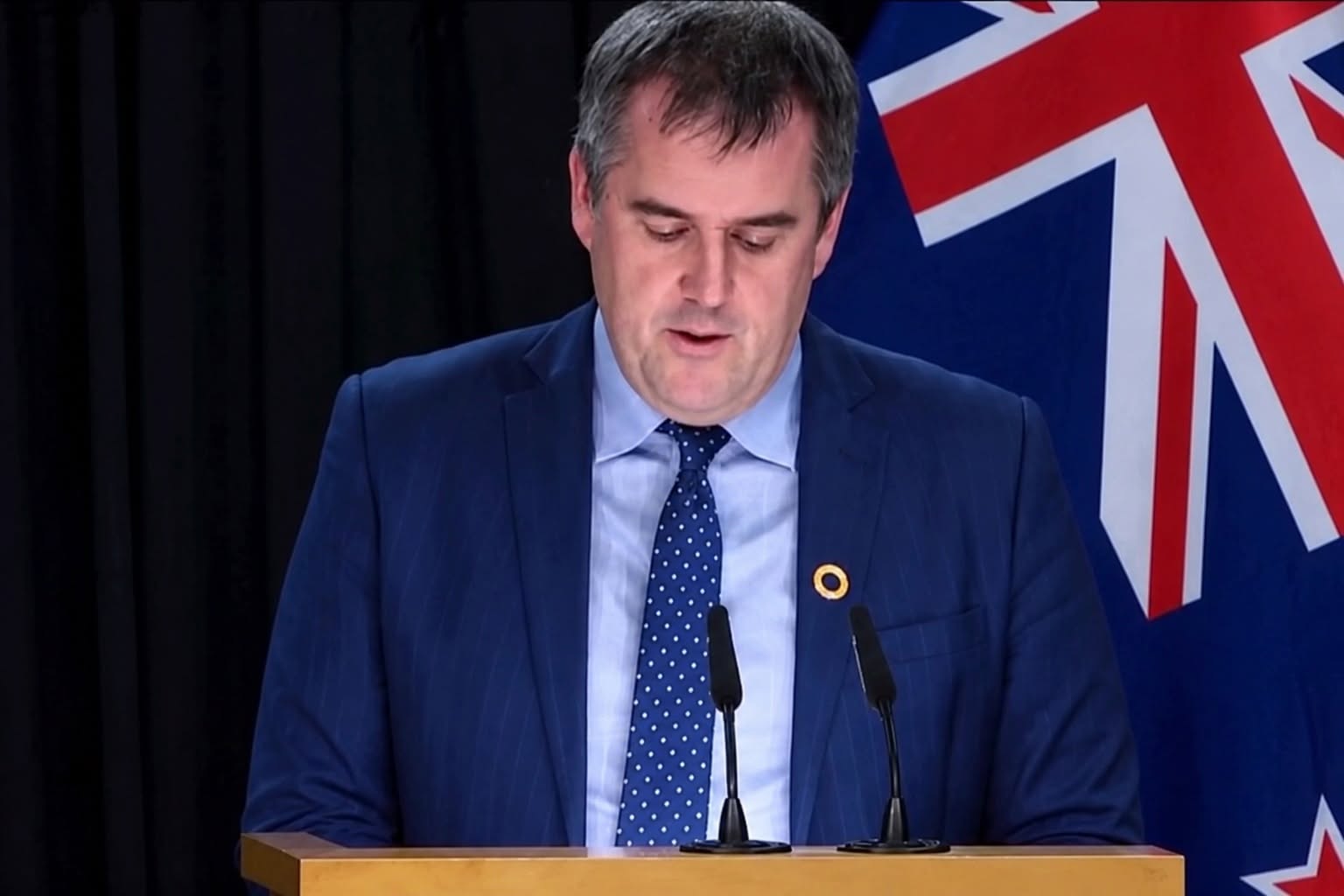
Finance Minister Nicola Willis told Parliament the Budget is about “responsible” choices, economic security and returning the Government books to surplus earlier than previously forecast. The Government says Treasury now expects a return to surplus in 2028/29, one year earlier than expected in December.
But outside the Government’s own framing, the response has been sharp and emotional.
Children’s advocates, unions, opposition parties, Māori and Pasifika voices, climate groups and peace campaigners have all argued that Budget 2026 leaves too many New Zealanders carrying the cost of fiscal restraint. Their common message is clear: the Budget may improve the Government’s balance sheet, but it does not do enough to improve life for families already struggling with food, rent, fuel, study costs, housing insecurity and job uncertainty.
The result is a Budget that tells two very different stories.
To the Government and ACT, it is a Budget of discipline, infrastructure, security and targeted investment.
To critics, it is a Budget of cuts, hardship, militarisation and missed opportunity.
Budget 2026: ACT Claims Credit For Spending Discipline As Election Campaign Sharpens – WebfitNews
The Government’s case: discipline, surplus and resilience
The Government’s central argument is that New Zealand entered Budget 2026 facing a difficult global environment. Willis pointed to conflict in the Middle East, higher fuel costs, pressure on inflation, rising debt, an ageing population, extreme weather risk and weaker global conditions.
The Budget speech framed these challenges as reasons for tighter control over spending. The Government says the Budget operating package is $2.1 billion, below the $2.4 billion allowance previously set. It also points to $1.7 billion of savings and revenue measures, including public service changes, the end of Fees Free tertiary support and lower Kāinga Ora construction-related costs.
Treasury is forecasting annual average growth of 1.2 percent in the year to June 2026, rising to 2.3 percent by June 2027 and 3.2 percent by June 2028. The Government also says employment is forecast to grow by 220,000 over four years, with wage growth averaging 3.1 percent.
For National, ACT and New Zealand First, these numbers are central to the political message: restraint now, stronger books later.
ACT leader David Seymour has already claimed Budget 2026 as proof of his party’s influence in Government. ACT argues the Budget shows why it entered Government: to cut waste, reduce bureaucracy, end poorly targeted programmes and push spending toward what it calls core frontline services.
Budget 2026 At A Glance: Key Government Claims
| Area | Budget 2026 Data Point | Government’s Argument |
|---|---|---|
| Return to surplus | Forecast for 2028/29 | One year earlier than previously expected |
| Operating package | $2.1 billion | Below the earlier $2.4 billion allowance |
| Savings and revenue | $1.7 billion | From public service changes, Fees Free ending and other savings |
| New capital investment | $7 billion | For infrastructure, hospitals, schools, roads, courts and police stations |
| Forecast employment growth | 220,000 over four years | Government says recovery will support jobs |
| Wage growth forecast | 3.1 percent average | Government says wages are expected to rise |
| Debt peak | 46.1 percent of GDP in 2027/28 | Forecast to fall after that |
| Bond issuance | Down by $6 billion over four years | First downward revision since 2021 |
Quick takeaway:
The Government is using these numbers to argue that Budget 2026 is a discipline-first Budget. Its central claim is that tighter spending today will create stronger public finances, lower debt pressure and more room for future growth.
Public service cuts become a flashpoint
One of the biggest political pressure points is the expected reduction in public service jobs.
The Budget speech refers to a fundamental overhaul of the public service, while critics say around 9,000 public service roles could be cut over the next three years.
The Public Service Association described the Budget as a “black Budget”, arguing that one in seven public service workers could face losing their jobs as $2.4 billion is removed from department budgets. The PSA says these are not abstract jobs, but people who process superannuation, support benefit applications, protect borders, maintain public systems and deliver services in communities.
Labour also focused heavily on job losses. Finance spokesperson Barbara Edmonds said the Government had failed its final Budget test, arguing that 40,000 more people are unemployed since Christopher Luxon took office and that cuts do not grow the economy.
This is where the Budget debate becomes practical. Government supporters will argue that a smaller public service does not automatically mean worse services. Critics will argue that lower staffing will mean longer delays, weaker support and more pressure on people who already depend on government systems.
Children and families: little relief for those under pressure
Save the Children New Zealand welcomed investment in education and health infrastructure, but said the Budget offers little extra financial support for the lowest income families.
Advocacy Director Jacqui Southey said families reliant on welfare are already making difficult weekly choices between heating, fuel and food. Save the Children is particularly concerned about changes such as reducing maximum Temporary Additional Support payments, which the Government says will save $196 million, and increasing social housing tenant contributions.
The Government says Temporary Additional Support should remain a last-resort, temporary hardship payment rather than a long-term income top-up. But advocates say the timing is harsh, especially when many families are facing high food, rent, power and transport costs.
Save the Children also raised concerns about young people. It says youth unemployment is at 15 percent nationally, the highest in almost a decade. The organisation says rangatahi are worried about job opportunities, their future after school and the affordability of tertiary study.
The Budget does include continued funding for the Healthy School Lunch Programme, KickStart Breakfast and community food support. Save the Children welcomed those measures, but wants longer-term funding to ensure school food programmes remain sustainable.
Families, Welfare And Food Support: The Tension In The Budget
| Area | Budget 2026 Measure | Concern Raised By Critics |
|---|---|---|
| Temporary Additional Support | Maximum rate reduced, saving $196 million | Could make life harder for families already under pressure |
| Social housing tenants | Rent contribution rises from 25 percent to 30 percent of income | Around 84,000 households may face higher weekly costs |
| Accommodation Supplement | Maximum rates increase | Government says this helps low-income private renters |
| Healthy School Lunches | Continued in 2027 | Advocates want longer-term secure funding |
| KickStart Breakfast | Ongoing funding | Supports children facing food insecurity |
| Community food support | Ongoing funding | Important as food and fuel costs remain high |
| Oranga Tamariki | $184 million uplift | Better response to suspected harm and complex needs |
| Child protection reforms | $77 million | Supports implementation of Dame Karen Poutasi recommendations |
Fees Free ends, while vocational pathways expand
One of the clearest education shifts is the end of the Fees Free tertiary scheme.
The Government says the policy did not improve enrolments or completion rates, especially for low-income students. It argues the money can be better used for frontline services and vocational pathways.
In its place, Budget 2026 will double Trades Academy places from 10,000 to 20,000 for Year 11 to 13 students. It also provides 1,000 more Youth Guarantee places for school leavers with low or no qualifications.
This is a major ideological shift. The Government is moving away from broad tertiary fee support and toward targeted vocational education. Supporters will argue this better matches workforce needs. Critics say young people, especially those already struggling with living costs, may be pushed away from university or deeper into debt.
Young People And Education: What Changes
| Area | Budget 2026 Direction | Likely Impact |
|---|---|---|
| Fees Free tertiary scheme | Ended | Students may face higher upfront study costs or more debt |
| Trades Academy places | Doubled from 10,000 to 20,000 | More vocational pathways for Year 11 to 13 students |
| Youth Guarantee places | 1,000 more places | More support for school leavers with low or no qualifications |
| Schooling and ECE | $1.6 billion operating boost | Supports schools, early childhood services and operational funding |
| School infrastructure | $470 million capital funding | Up to 10 school redevelopments, 232 classrooms and land for new schools |
| Maths and literacy | Targeted investment | Focus on raising basic achievement |
| NCEA | Being replaced | New secondary curriculum and qualifications rollout |
Health gets billions, but debate continues over the front door
Health is the largest single Budget item.
The Government says total health spending next year will be around $34 billion, equal to about $17,000 per household. Budget 2026 provides $5.5 billion in additional funding for frontline health services, including emergency departments, specialist assessments, elective surgery, cancer treatments and GP visits.
There is also targeted funding for ambulance services, forensic mental health, Pharmac, bowel screening, postnatal stays and health digital infrastructure. Capital investment includes Whangārei Hospital, hospital redevelopment work in Tauranga, Hawke’s Bay and Palmerston North, land for a future hospital south of Auckland, the Mason Clinic redevelopment and the new medical school at the University of Waikato.
But critics say the Government is still focusing too heavily on hospitals after people are already sick.
The Alliance Party argued that billions for hospitals will not fix the system if primary care remains underfunded. Its health spokesperson said New Zealand continues to fund the consequences of poor health instead of investing enough in early, community-level care.
Workers First Union also argued that the new ambulance funding does not match the scale of need, saying emergency services remain under severe pressure.
The central health question is not whether money has been allocated. It is whether the money will reduce delays, improve access and stop people from falling through gaps before they reach crisis point.
Health Funding: What Budget 2026 Promises
| Health Area | Budget 2026 Commitment | What It Is Meant To Support |
|---|---|---|
| Frontline health services | $5.5 billion | Emergency departments, specialist assessments, elective surgery, cancer treatment and GP visits |
| Total health system spending | Around $34 billion next year | About $17,000 per New Zealand household |
| Health digital investment | $300 million | Cyber security and priority digital health projects |
| Health infrastructure | $682 million capital funding | Whangārei Hospital, Tauranga, Hawke’s Bay, Palmerston North, south Auckland hospital land and Mason Clinic |
| Ambulance services | Additional funding included | Support emergency response capacity |
| Pharmac | Ongoing funding increase | Support access to medicines |
| Bowel screening | Starting age lowered from 58 to 56 | Earlier detection and prevention |
| Postnatal care | Longer stays offered as a choice | More support for mothers after birth |
Housing: social rent changes and growth incentives
Housing is another major battleground.
Budget 2026 increases social housing tenant rent contributions from 25 percent to 30 percent of income. At the same time, the Government says it will increase Accommodation Supplement rates so low-income private renters receive more help.
The Government frames this as a rebalancing of support between social housing tenants and private renters. It also says the package is broadly fiscally neutral.
But Labour, unions, the Greens and community advocates have all criticised the social housing rent rise. Labour says around 84,000 social housing households could face an average increase of $31 a week.
For households already stretched, that amount matters.
The Budget also includes $400 million to reward councils linked to housing growth, $294 million to begin rolling out a new planning and consenting system, and $69 million for the Flexible Housing Fund to help deliver between 1,800 and 2,250 social houses over three years.
This shows the Government’s housing strategy: increase supply, reform planning and change incentives. Critics say it does not do enough for people facing homelessness and housing hardship now.
Housing Measures: Supply Push Versus Immediate Pressure
| Budget Area | Amount / Change | What It Means |
|---|---|---|
| Housing growth incentives | $400 million | Funding stream linked to council-supported housing growth |
| New planning and consenting system | $294 million | Move toward a centrally managed planning, consenting and compliance platform |
| Development levy oversight | $30 million | Supports regulation of development levies |
| Flexible Housing Fund | $69 million boost | Supports delivery of 1,800 to 2,250 social houses over three years |
| Emergency housing prevention | $22 million | Aims to reduce recurring emergency housing need |
| Kāinga Ora construction costs | $368 million lower operating expenses | Government says costs have reduced |
| Social housing tenant rent | From 25 percent to 30 percent of income | Major concern for low-income households |
Māori, Pasifika and inequality concerns
Several responses focused on Māori and Pasifika communities.
Te Tai Tonga MP Takuta Ferris said the Budget invests in managing the symptoms of inequality rather than transforming its causes. He argued Māori communities needed meaningful investment in housing, healthcare, mental health, rangatahi opportunity and regional resilience, but instead saw more spending on Defence, Corrections and prisons.
The Green Party said Budget 2026 fails Māori and neglects Te Tiriti obligations. Co-leader Marama Davidson said whānau on low incomes, students, renters and social housing tenants are being asked to carry the burden.
Green Party Pacific Peoples spokesperson Teanau Tuiono said Pasifika communities had been left behind, pointing to cuts affecting the Ministry for Pacific Peoples and arguing that Pasifika wellbeing initiatives were being deprioritised.
These criticisms share a common point: the Budget’s language of discipline and efficiency may sound responsible at a national level, but communities already facing higher levels of poverty, homelessness, illness and unemployment may experience it as another layer of pressure.
Defence, prisons and the meaning of security
Budget 2026 includes significant spending on Defence, intelligence, law and order, Corrections and courts.
The Government says New Zealand faces the most adverse strategic environment in 80 years. Budget funding supports the second year of the Defence Capability Plan, including extending the life of Anzac-class frigates and HMNZS Canterbury, acquiring drones, improving military housing and building a new training facility at Linton.
The Budget also provides a $156 million uplift for intelligence and security agencies.
On law and order, the Budget provides $1.1 billion in operating funding across Corrections, Customs, Police and Justice. This includes $477 million for Corrections, $50 million for frontline policing, funding for firearms reform, a new firearms regulator, new court facilities in Rotorua and new Police stations in Greymouth and Whanganui.
Critics see this differently.
Peace Movement Aotearoa said military spending has again been prioritised while social services remain under pressure. It argued that real security should mean climate action, housing, health, poverty reduction and social wellbeing, not greater military capability.
Greenpeace also criticised the Budget for lacking solutions to the climate, biodiversity and fuel crises. It argued New Zealand remains too dependent on fossil fuels and has no credible plan to decarbonise transport at the scale required.
The clash here is about the definition of security. The Government is focused on defence capability, border security, prisons, intelligence, resilience and infrastructure. Critics say security should start with whether families can afford food, whether children are housed, whether people can access healthcare and whether the country is prepared for climate disruption.
Security Spending: Two Competing Views
| Area | Budget 2026 Commitment | Government View | Critics’ View |
|---|---|---|---|
| Law and order package | $1.1 billion | Keeps communities safe | Expands punishment rather than prevention |
| Corrections | $477 million | Manages rising prisoner numbers | Funds more prison capacity instead of reducing causes of crime |
| Frontline policing | $50 million | Supports Police operations | Does not address wider social drivers |
| Rotorua courts | $100 million capital funding | Modern court facilities | Critics say justice investment should include prevention |
| Defence Capability Plan | Second year funded | Responds to strategic risk | Militarisation while public services face cuts |
| Intelligence and security | $156 million uplift | Strengthens national security | Critics say human security is being ignored |
| Defence-related spending claim by Peace Movement Aotearoa | $5.88 billion total military spending | Government frames Defence as resilience | Peace groups say money should go to climate, health and poverty support |
Climate and fuel: resilience without enough transition?
The Budget includes $150 million for strategic fuel reserves and a $450 million contingency for possible further fuel-related support. The Government says this is prudent given Middle East uncertainty and fuel price pressure.
It also includes funding for state highway resilience, flood mapping, emergency management modernisation, rail investment and a gas transition loan scheme to help businesses move away from shrinking domestic gas reserves.
Greenpeace welcomed some rail funding and support for reducing business fossil gas use, but said the Budget does not do enough to reduce dependence on fossil fuels. It criticised spending on roads and argued that transport remains highly vulnerable to imported fuel.
This is one of the Budget’s deepest contradictions. The Government says it is investing in resilience against external shocks. Environmental groups say the best resilience would be reducing dependence on the fuels and systems that create those shocks.
limate, Fuel And Resilience: Key Budget Tensions
| Area | Budget 2026 Measure | Why It Matters |
|---|---|---|
| Strategic fuel reserves | $150 million | Supports fuel security during global disruption |
| Further fuel contingency | $450 million | Reserve for possible additional fuel-related support |
| Z Energy diesel reserve deal | Adds nine days of diesel reserves | Strengthens short-term supply security |
| State highway resilience | $400 million capital | Repairs and protects roads affected by weather events |
| KiwiRail network improvement | Just over $1 billion | Supports rail network upgrades |
| Metropolitan rail renewal | $107 million | Supports critical rail infrastructure |
| Gas transition loan scheme | Included | Helps businesses reduce fossil gas use |
| New Zealand Flood Map | Funded | Helps councils and communities understand hazard risk |
Webfit News perspective
From a Webfit News perspective, Budget 2026 cannot be understood only through political slogans.
The Government is right that New Zealand needs stronger books, better infrastructure and more careful use of public money. Debt, interest costs and global instability are real problems. No responsible government can ignore them.
But critics are also raising serious concerns that cannot be dismissed as politics. If low-income families face less support, social housing tenants pay more, students lose fee support, public servants lose jobs, and communities already under pressure feel ignored, then the Budget’s human impact must be examined carefully.
A Budget is not just a financial document. It is a map of national priorities.
This Budget prioritises fiscal discipline, infrastructure, health funding, education changes, Defence, law and order, fuel resilience and housing supply reform. But it also raises hard questions about poverty, Māori and Pasifika outcomes, youth opportunity, climate transition, public service capacity and fairness.
For everyday New Zealanders, the test will not be whether the Government says the books are improving. The test will be whether life becomes more stable.
Can families afford food, rent and power?
Can young people see a future here?
Can patients see a doctor before they end up in hospital?
Can communities trust that public services will still be there when needed?
Can New Zealand prepare for global shocks without forgetting people already in crisis at home?
Those are the questions that will decide how Budget 2026 is remembered.
Who Said What: Budget 2026 Reaction Snapshot
| Group / Party | Main Criticism Or Support | Core Message |
|---|---|---|
| Government | Budget is responsible and future-focused | Discipline now will support growth, services and surplus |
| ACT | Claims credit for spending discipline | Smaller government and less waste are working |
| Labour | Says National failed its final Budget test | Cuts, unemployment and higher costs are hurting families |
| Greens | Says Budget lacks vision and leaves people behind | Students, renters, Māori, Pasifika and low-income families are paying the price |
| Save the Children | Concerned about children and families in poverty | Budget offers little relief for lowest-income households |
| PSA | Condemns public service cuts | Public services will become slower, weaker and less accessible |
| Workers First Union | Calls it a misery Budget | Students, workers, women, disabled people and public servants are paying |
| Takuta Ferris | Says Budget fails Māori communities | It manages inequality rather than transforming it |
| Greenpeace | Says climate and fuel solutions are missing | Budget does not properly reduce fossil fuel dependence |
| Peace Movement Aotearoa | Criticises military spending | Security should mean wellbeing, climate action and social justice |
A Budget that opens the election fight
Budget 2026 has done more than set the Government’s spending plan. It has drawn the battle lines for the election.
National, ACT and New Zealand First will argue they are restoring discipline, funding core services and protecting New Zealand from future shocks.
Labour, the Greens, unions and advocacy groups will argue the Government is balancing the books by cutting support from people who can least afford it.
Both sides now have their story.
The public will decide which one feels closer to reality.
For now, Budget 2026 leaves New Zealand with a clear choice: a Government promising restraint and security, and critics warning that too many people are being asked to pay the price.
References
Sources used for this article include the Minister of Finance’s Budget 2026 speech, ACT New Zealand’s Budget 2026 response, Save the Children New Zealand, the New Zealand Labour Party, the Green Party, the Public Service Association, Workers First Union, Takuta Ferris MP, New Zealand Alliance Party, Greenpeace and Peace Movement Aotearoa.