By Webfit News
As New Zealand prepares to welcome Indian Prime Minister Narendra Modi in July, recent comments by Destiny Church leader Brian Tamaki have sparked intense public debate and concern among ethnic communities.
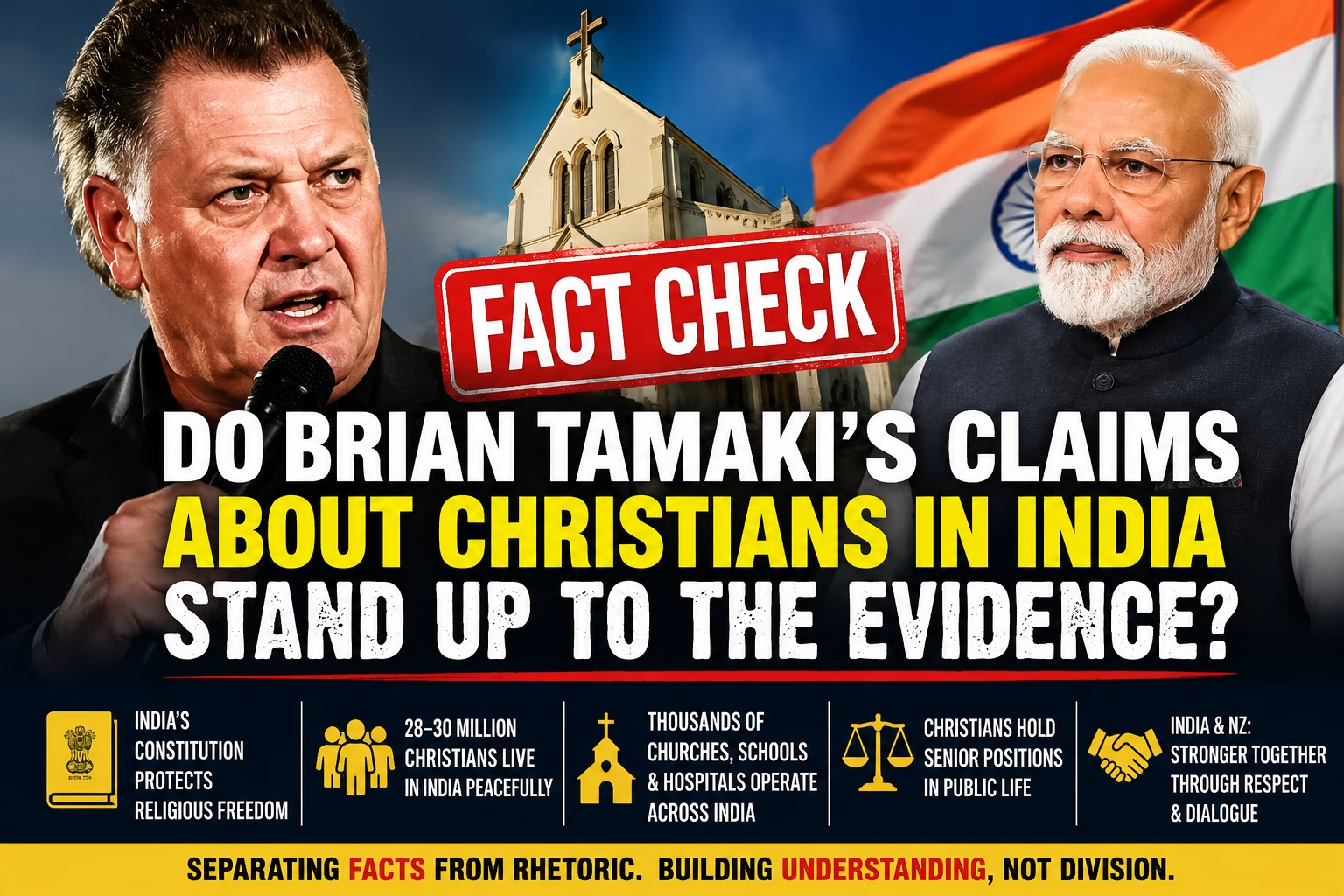
In a video published on social media in mid-June, Tamaki alleged that Prime Minister Modi was a “Christian killer” and claimed Christians were being systematically persecuted across India, with churches allegedly being burned down. He used those claims to justify strong criticism of the Indian Prime Minister and called for protests surrounding the visit.
The remarks have since drawn criticism from New Zealand Police, community organisations, religious leaders and government representatives, many of whom have expressed concern about their potential impact on community safety and social cohesion.
The question now being asked is whether Tamaki’s claims accurately represent the situation in India.
India’s Constitutional Framework
India is the world’s largest democracy, home to more than 1.4 billion people representing hundreds of languages, cultures and religions.
Its Constitution, adopted in 1950, guarantees every citizen the fundamental right to practise, profess and propagate their religion.
The country officially recognises no state religion and remains constitutionally secular.
India is home to one of the world’s largest Christian populations, with approximately 28 to 30 million Christians living across the country, representing about 2.3 percent of the total population.
Alongside Hindus, Muslims, Sikhs, Buddhists, Jains and other faiths, Christians continue to worship openly throughout India.
Thousands of churches, schools, hospitals and charitable organisations operated by Christian institutions remain active across the country.
Christians Continue to Hold Senior Positions
One of the strongest counterpoints to claims of systematic exclusion is the continued participation of Christians in Indian public life.
Christians have served as:
- Governors
- Chief Ministers
- Members of Parliament
- Supreme Court judges
- Senior military officers
- Diplomats
- University leaders
- Business executives
Several Indian states, including Nagaland, Mizoram and Meghalaya, have Christian-majority populations and have repeatedly elected Christian-led governments.
Christian educational institutions remain among India’s most respected, operating thousands of schools, colleges and universities attended by students from every religion.
Similarly, Christian hospitals and charitable organisations continue providing healthcare across urban and rural India.
These facts demonstrate that Christianity continues to be an established and recognised part of India’s social fabric.
Are There Incidents of Violence?
Like many large and diverse countries, India has experienced incidents involving religious tension.
Independent human rights organisations, church bodies and international observers have documented attacks against Christian individuals and places of worship in some regions.
These incidents are serious and have rightly attracted domestic and international attention.
However, experts also note an important distinction.
Individual incidents, criminal acts or regional disputes are not the same as evidence of a nationwide government policy aimed at eliminating Christianity.
There is currently no verified evidence that the Government of India has announced or implemented any official policy to “purge” Christians from the country.
Likewise, there is no evidence supporting claims that churches across India are being systematically burned under government direction.
Where criminal incidents occur, investigations are generally carried out by state police authorities under India’s legal system.
The Difference Between Opinion and Fact
Political criticism of governments is common in democratic societies.
Individuals are entitled to question government policies and express differing political opinions.
However, factual claims carry greater responsibility, particularly when they involve allegations of widespread persecution or violence against entire religious communities.
Public figures have considerable influence over their audiences.
When allegations are presented without sufficient evidence, they can contribute to misunderstanding, fear and unnecessary social tension.
This is particularly important in multicultural countries such as New Zealand, where communities from many different backgrounds live side by side.
Why the Debate Matters in New Zealand
Brian Tamaki’s comments were made shortly before Prime Minister Modi’s expected visit to New Zealand, one of the most significant diplomatic engagements between the two countries in recent years.
The visit follows the signing of the India-New Zealand Free Trade Agreement in April 2026 and is expected to strengthen cooperation in trade, education, investment and technology.
New Zealand is home to more than 300,000 people of Indian origin, making the Indian community one of the country’s fastest-growing and most significant migrant communities.
Many community leaders expressed concern that inflammatory language directed towards Hindus, Sikhs and Muslims could create anxiety within communities that have made significant contributions to New Zealand’s economy and society.
Police and Government Response
The New Zealand Government responded by reaffirming its commitment to multiculturalism, religious freedom and peaceful coexistence.
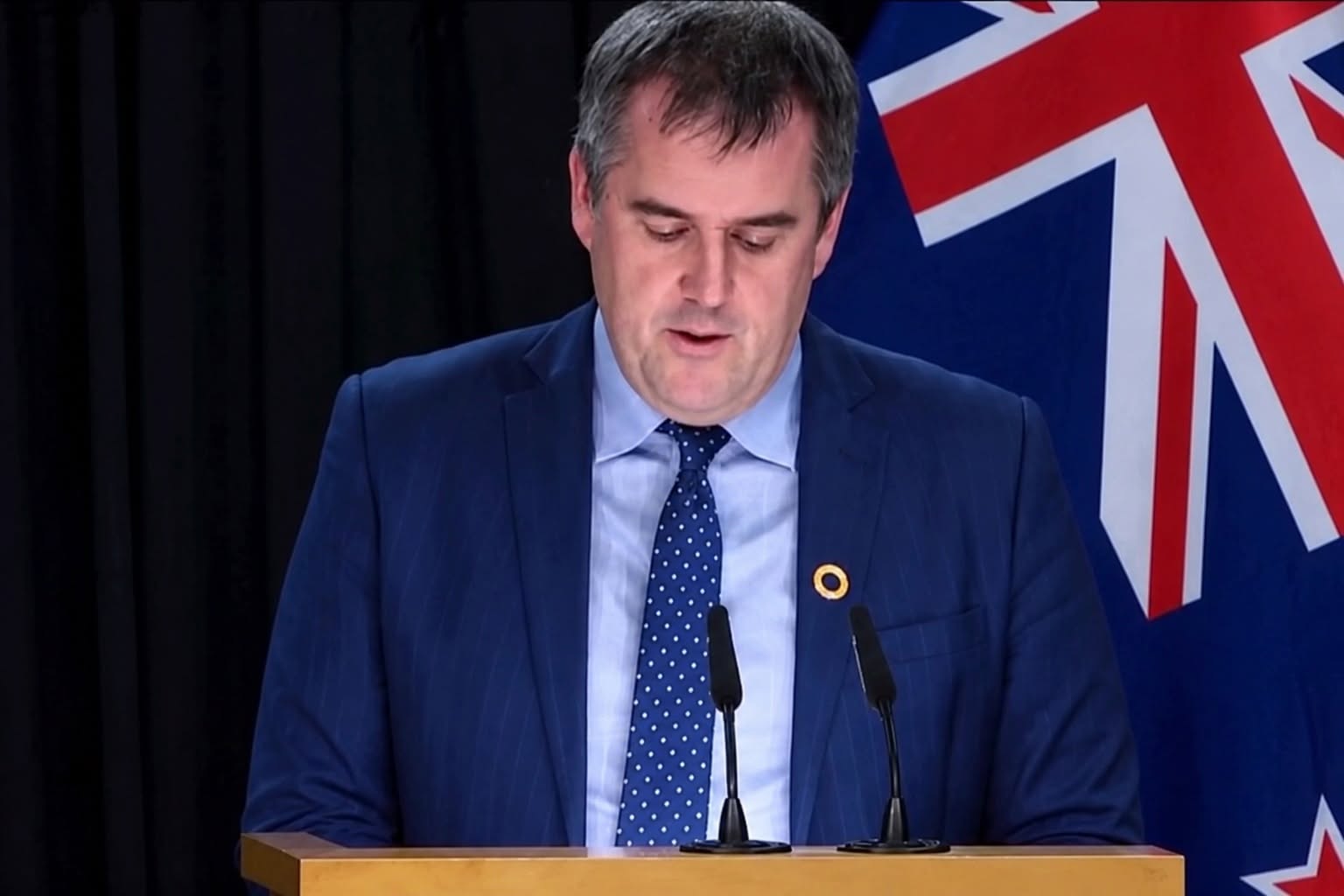
Ethnic Communities Minister Mark Mitchell publicly criticised remarks that risk undermining social cohesion and community confidence.
On 18 June 2026, New Zealand Police issued a formal statement reassuring Indian and wider ethnic communities that their safety remained a priority.
Police confirmed they were monitoring the situation, engaging with community leaders and had referred the online material for legal assessment.
The response reflected New Zealand’s long-standing approach of balancing freedom of expression with the responsibility to protect public safety and maintain community harmony.
The Importance of Responsible Public Debate
India, like every democracy, faces challenges relating to religious harmony, minority rights and political debate.
These issues deserve informed discussion supported by credible evidence rather than broad generalisations.
Similarly, New Zealand’s strength lies in its ability to encourage open discussion while rejecting hatred and misinformation directed at any community.
As Prime Minister Modi’s visit approaches, community leaders across New Zealand continue encouraging respectful dialogue and peaceful participation, recognising that differences of opinion should never become hostility towards entire religious or ethnic groups.
Public debate is healthiest when it is informed by verified facts, balanced analysis and respect for all communities.
That principle remains as important in New Zealand today as it does anywhere in the democratic world.