Auckland may be heading toward a future many believed was long gone. A toll booth at the Waitematā.
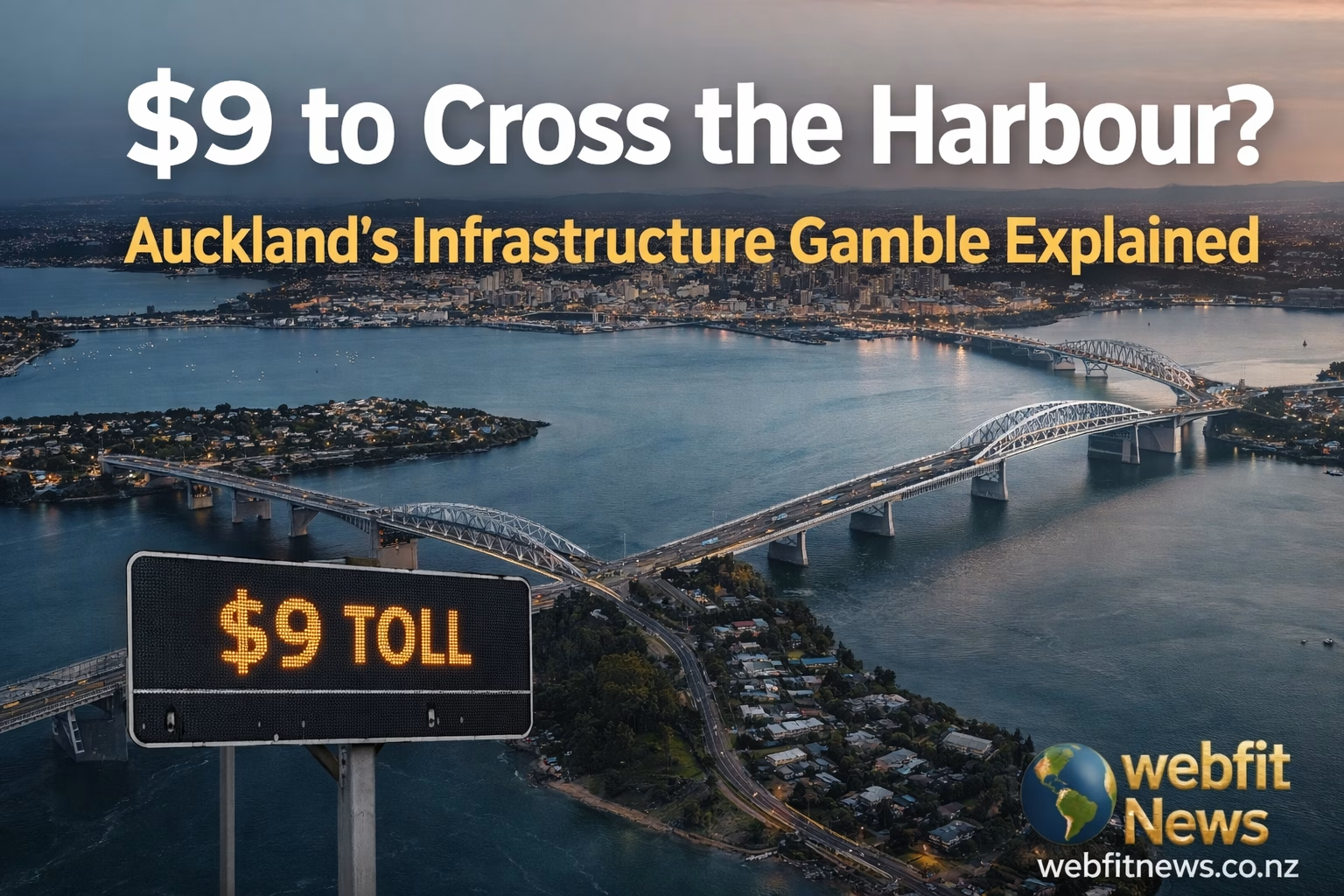
In early 2026, the New Zealand Infrastructure Commission introduced a high-level funding scenario that includes a $9 toll on both the existing Auckland Harbour Bridge and any future second harbour crossing. The figure is not a confirmed policy. It is a financial modelling scenario. But it has already triggered a serious debate about who pays for infrastructure, how much is fair, and whether the city can afford not to act.
At stake is what could become the largest infrastructure project in New Zealand’s history.
Why the $9 Figure Exists
The proposed $9 toll is not random. It mirrors the inflation-adjusted cost of the original harbour bridge toll introduced when the bridge opened in 1959. Back then, drivers paid 2 shillings and 6 pence. Adjusted for modern dollars, that roughly equals $9 today.
The Commission’s modelling suggests that a $9 charge applied to both crossings could generate between $7 billion and $9 billion in net present value revenue over the lifespan of the project. That sounds significant until you compare it to the cost.
Estimates for a second crossing range from $20 billion to over $45 billion depending on design. Even at the lower end, toll revenue would cover less than half the capital cost. The funding gap remains enormous.
So why even float the idea?
Because the traditional funding model is under strain. Fuel excise revenue is declining as vehicles become more efficient and electric vehicles increase. Road user charges are evolving. Infrastructure deficits across the country are growing. The era of “free roads” funded quietly through taxes is increasingly difficult to sustain.
The Commission’s message is blunt. Major projects now require major user contributions.
Corridor Tolling Changes the Game
In late 2025, the government introduced the Land Transport Revenue Amendment Bill. A key provision is “corridor tolling.” That allows the government to toll an existing road if a new project improves the same corridor.
In simple terms, that means the current harbour bridge could be tolled if a new crossing is built nearby.
Without tolling both routes, a new multi-billion dollar tunnel or bridge risks sitting underused while drivers choose the free original bridge. That is the nightmare scenario policy makers want to avoid.
The legislation also requires tolls to be indexed to inflation each year. So a $9 toll would not stay $9 forever.
This signals something bigger than one bridge. It signals a long-term shift toward a user-pays transport network.
Historical Toll Evolution and Modern Inflation-Adjusted Comparisons
| Period | Nominal Toll Rate | 2025/26 Inflation-Adjusted Equivalent | Directionality |
| 1959 (Opening) | 2s 6d (25c) | ~$9.00 | Both Directions |
| 1960 | 2s (20c) | ~$7.50 | Both Directions |
| 1969 | 20c | ~$4.00 | Northbound Only |
| 1980 | 25c | ~$1.21 | Northbound Only |
| 1984 (Removal) | 25c | < $1.00 | Removed |
| 2026 (Scenario) | $9.00 | $9.00 | Likely Both Directions |
The Cost to Commuters
The political problem is obvious.
For a North Shore commuter travelling into the CBD five days a week, a $9 each way toll becomes $18 a day. Over 46 working weeks, that is more than $4,000 per year.
At a time when households are already dealing with mortgage pressure, rent increases, food costs and fuel volatility, this is not a minor charge. It becomes a lifestyle cost.
Critics argue that such a flat toll is regressive. It hits daily commuters harder than occasional users. Some suggest time-of-use pricing or peak-only charges as a fairer alternative.
ACT leader David Seymour has warned that the weekly impact would be politically explosive. Auckland Mayor Wayne Brown has dismissed the $9 scenario as unacceptable, arguing that cheaper engineering alternatives exist.
Projected Financial Metrics for the $9 Tolling Scenario
| Metric | Estimated Value | Source |
| Total Toll Revenue Potential (Net Present Value) | $7 billion – $9 billion | |
| Projected Daily Vehicle Movements (2051) | 224,000 | |
| Estimated Stage 1 Capital Expenditure (Preferred Option) | $22.9 billion – $27.2 billion | |
| High-End Tunnel/Rail Proposal Cost (Previous Govt) | $45 billion – $56 billion | |
| Annual Cost for Daily Commuter ($18/day) | ~$4,140 (based on 46 weeks) |
The Engineering Divide
There is no single agreed design for the second crossing.
Options include:
- Road tunnels with or without light rail
- A second parallel bridge
- A combined bridge and tunnel solution
- A Meola Reef causeway supported by land value capture
- A lower-cost private sector bridge proposal
The previous government explored a tunnel-heavy solution estimated at up to $56 billion. The current administration is reassessing scope and cost.
Some private design proposals claim a new bridge could be delivered for under $3 billion. Others argue that long-term resilience requires a more expensive tunnel system that accommodates both vehicles and future rapid transit.
Behind the engineering debate sits a strategic question. Is this project about capacity relief, long-term resilience, climate alignment, or economic growth?
Each answer points to a different design and a different price tag.
Key Provisions of the Land Transport (Revenue) Amendment Bill 2025
| Provision | Description | Impact on Harbour Crossing |
| Corridor Tolling | Allows tolling of entire corridors, including existing roads. | Permits tolling of the current Harbour Bridge. |
| Liability Shift | Responsibility for toll payment shifts from driver to registered owner. | Increases operational efficiency and collection rates. |
| CPI Adjustments | Mandates annual inflation-linked toll price increases. | Ensures revenue keeps pace with long-term costs. |
| Heavy Vehicle Restrictions | Allows the Minister to restrict heavy vehicles from alternative routes. | Prevents diversion of large vehicles to local roads. |
| Digital Modernization | Removes the requirement for physical RUC labels. | Prepares for eventual transition of all light vehicles to RUC. |
| Private Investment | Clarifies that private entities can receive commercial returns on roads. | Facilitates the use of Public-Private Partnerships (PPPs). |
The Bigger Infrastructure Reality
The harbour crossing debate does not exist in isolation.
New Zealand faces an estimated $200 billion infrastructure shortfall across transport, water, schools, and hospitals. The Auckland Harbour Bridge itself is in constant maintenance, including a repainting cycle that can take more than a decade.
The pressure is cumulative. Existing assets require more funding just to maintain service levels. New assets require massive capital investment. At the same time, voters resist higher rates and taxes.
This is the fiscal tension shaping the $9 conversation.
User-Pays vs National Subsidy
The government frames tolling as fairness. Why should taxpayers in Invercargill subsidise Auckland’s harbour crossing?
Opponents argue that Auckland is the country’s economic engine. Efficient movement across the harbour benefits national productivity, not just local commuters.
This is not simply an engineering debate. It is a philosophical one.
Is infrastructure a shared national good, or a service paid primarily by direct users?
The answer will influence not only the harbour crossing, but future transport projects nationwide.
Comparison of Major Infrastructure Proposal Cost and Capacity
| Proposal | Estimated Cost | Lead Advocate/Agency | Primary Features and Challenges |
| Labour Tunnel Plan (2023) | $45B – $56B | Previous Government | Road and light rail tunnels; 20+ year timeline. |
| Treasury Preferred Option | $22.9B – $27.2B | National Govt/NZTA | Combined bridge/tunnel; SH1 and Busway upgrades. |
| Reset Bridge Design | < $2.5B | Reset Architecture | 6-lane bridge; 5-year delivery; active modes focus. |
| Meola Reef Bridge | ~$2B – $4B | Mayor Wayne Brown | Causeway over lava flow; land-value capture funding. |
| Western Causeway Bridge | ~$3B | Reset Architecture | 10km western bypass linking SH20 to Greenhithe. |
The Political Reality
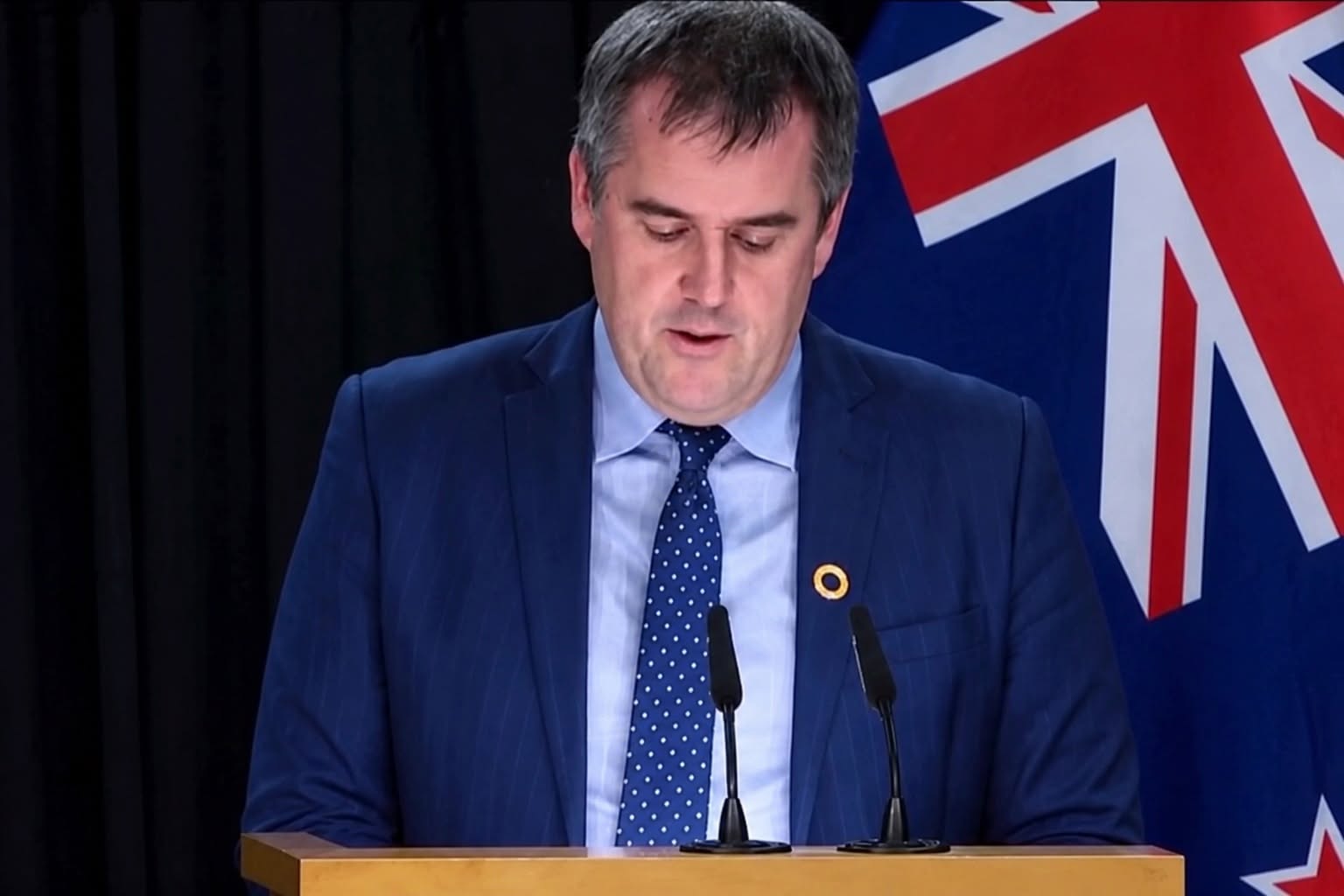
For now, the $9 toll remains hypothetical. Finance Minister Nicola Willis has described it as modelling, not a decision. Transport Minister Chris Bishop has acknowledged that it is a “big call.”
But the groundwork is being laid.
Corridor tolling legislation is progressing. Traffic modelling is underway. Geotechnical investigations are advancing. Market sounding for public-private partnerships is in motion.
Major infrastructure does not move quickly. But when legislative frameworks and funding conversations begin to align, direction becomes clearer.
Aucklanders may not see toll booths next year. But the era of unlimited free crossing appears unlikely to last forever.
The Webfit News Perspective
At Webfit News, we see this debate as more than a transport story. It is a stress test of how New Zealand funds its future.
The $9 toll is not just about one bridge. It is about:
- How cities adapt to declining traditional revenue
- How governments balance national equity with regional demand
- How infrastructure decisions shape daily life for thousands of families
If this model moves forward, it could redefine how every major corridor project is financed across the country.
For Auckland, the harbour crossing decision will signal what kind of city it wants to become. Car-dependent and capacity-driven? Or transit-oriented and priced by demand?
The next 24 months will be decisive.
The real question is not whether $9 is affordable.
It is whether inaction is more expensive.